Speech Pathology for Children and Young Adults in Sydney
Speech Pathology
At Therapies for Kids, our Speech Language Pathologists provide evidence-based speech pathology services across Sydney, supporting children, adolescents and young adults to develop communication skills that enable participation at home, in education, work and community settings.
Our approach is family-centred, strengths-based and practical, ensuring therapy strategies are relevant, achievable and embedded into everyday routines.
What does a Speech Pathologist do?
A Speech Language Pathologist supports children and young adults to communicate effectively and confidently in their daily lives.
Speech pathologists assess, diagnose, and treat a wide range of communication challenges, including speech clarity, understanding and using language, social communication, literacy skills, and feeding or swallowing difficulties.
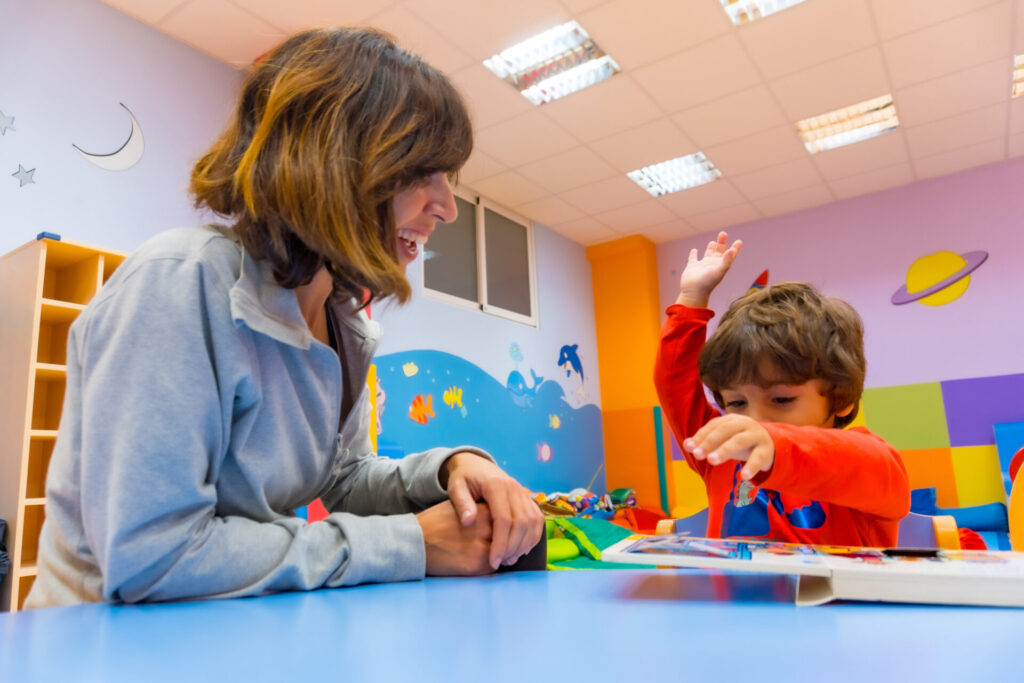
At Therapies for Kids, our speech pathologists work closely with families to understand each child’s strengths, needs, and goals. Therapy focuses on meaningful, real-world outcomes, helping children communicate at home, at school, in the community, and with peers.
Our approach is:
- Child-led and play-based where appropriate
- Neurodiversity-affirming
- Evidence-based and goal-focused
- Tailored to the child’s age, interests, and communication style
How Our Speech Pathologists Can Help
Our speech pathology services in Sydney support children and young adults with:
Speech Sounds
Helping children pronounce sounds clearly so they can be understood by others. Speech sounds are the individual sounds we use to make words, like the “b” in “ball” or the “s” in “sun.” Sometimes, children might have difficulty making certain sounds or saying words clearly, which can make it hard for others to understand them.
Our speech pathologists can:
- Assess which sounds your child finds challenging.
- Teach your child how to say different sounds correctly
- Give you tips and exercises to practice at home.
- Help improve overall speech clarity so that your child can be better understood
Language
Supporting understanding and use of language, including vocabulary, sentences, following instructions, and expressing ideas. Language allows individuals to share thoughts, ask questions, express feelings, and understand what others say. It involves both understanding and speaking.
Our speech pathologists can help with:
- Receptive Language (Understanding): The ability to understand words, sentences, questions and follow instructions.
- Expressive Language (Speaking): Being able to share ideas, feelings, and thoughts using a variety of words and sentence types.
- Pragmatics (Social Language): Using language socially like in conversations and using skills such as taking turns, being able to ask for help or changing how you speak depending on who you’re talking to.
Social Communication
Developing conversation skills, turn-taking, perspective-taking, and navigating social situations with confidence. Social communication therapy focuses on building skills needed to interact, connect, and participate meaningfully with others.
This may include supporting:
- Starting and maintaining conversations
- Taking turns and staying on topic
- Understanding social rules and expectations
- Using eye contact, facial expressions, gestures, and body language
- Interpreting tone of voice, humour, and non-literal language
- Perspective-taking and understanding others’ thoughts and feelings
- Navigating friendships, group work, and social problem-solving
- Building confidence in social situations at school, work, and in the community
Social communication support is particularly beneficial for children and young people who find social interactions challenging, including those with autism, ADHD, language differences, or social anxiety.
Literacy Skills
Supporting early literacy, reading, spelling, and written language development. Literacy skills involve the following:
- Pre-literacy or phonological awareness skills: Learning how to identify sounds, rhyme and segmenting syllables
- Reading/Phonics: Learning how to sound out and recognise words.
- Vocabulary: Expanding the number of words your child knows and uses.
- Comprehension: Helping your child understand and make sense of what they read.
- Writing: Supporting your child in expressing ideas clearly on paper.
Our speech pathologists aim to make reading and writing easier and more enjoyable for your child.
Stuttering
Helping children and young adults manage fluency challenges in a supportive, confidence-building way. Stuttering is a speech disorder that affects the flow of speech, making it difficult for a child to speak smoothly. This can look like:
- Repetitions of sounds, syllables, or words
- Prolongations (stretching out sounds)
- Blocks or interruptions in speech.
Our speech pathologists can help by using techniques to improve fluency and build confidence, making communication easier and more natural.
Alternative and Augmentative Communication (AAC)
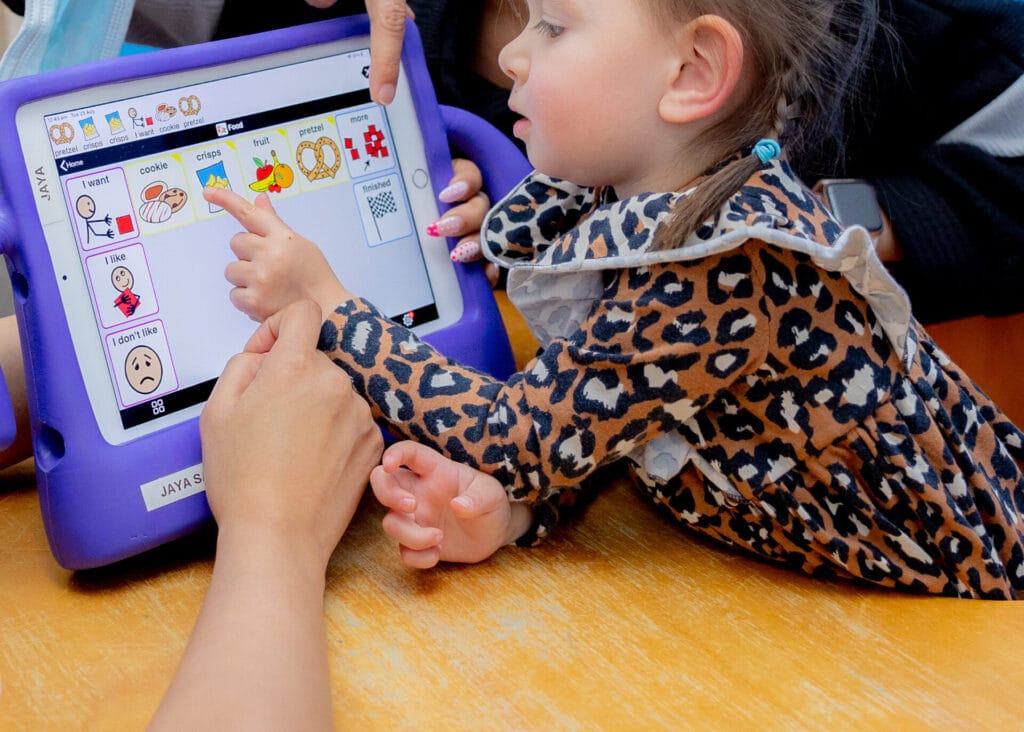
Supporting communication through signs, symbols, devices, and technology when spoken language is difficult. AAC (Augmentative and Alternative Communication) includes methods of communication that go beyond speaking. Children with communication difficulties often benefit from AAC to help support their speaking and listening skills. Some examples of AAC are:
- Sign (AUSLAN or Key Word Sign): Using hand signs to communicate.
- Gestures: Simple movements to show what they need or want.
- Symbols: Using pictures or visuals to express ideas.
- Assistive technologies: Tools like communication devices or apps to help children express themselves.
Our speech pathologists can trial these approaches in order to tailor them to your child’s unique needs so that they have the tools to communicate more effectively and confidently with others.
Feeding and Swallowing
Supporting children with feeding challenges, oral motor skills, and safe swallowing. Some children face challenges related to feeding and swallowing, which can lead to nutritional deficiencies and other health issues. These can include the following:
- Refusing certain textures of food (e.g., only eating smooth foods like yogurt, avoiding crunchy or chewy textures).
- Coughing or choking while eating or drinking, this can be a sign of trouble swallowing.
- Taking a long time to finish meals, which could mean difficulty chewing or coordinating swallowing.
- Difficulty chewing food properly or moving food around in the mouth.
- Frequent spitting out or gagging on food.
- Food or liquid coming out of the nose during eating or drinking.
- Not gaining weight or growing as expected due to poor nutrition.
- Excessive drooling or difficulty managing saliva.
Speech pathologists can assess and address these disorders, providing strategies and techniques to improve feeding skills and ensure safe swallowing

Contact TFK Today!
We believe in every child and young person’s potential. We have the vision to recognise it. We have the expertise to unlock it.
Start your journey to progress today!
Who We Support
We provide speech pathology services for children and young adults with a wide range of communication needs, including:
- Speech and language delays
- Early childhood communication difficulties (including ECEI support)
- Speech sound difficulties (articulation and phonological delays)
- Social communication challenges, including conversation skills, turn-taking and peer interactions
- Autism Spectrum Disorder (ASD)
- ADHD
- Developmental delay
- Genetic and neurological conditions
- Cerebral palsy and movement disorders
- Hearing loss
- Literacy difficulties, including early reading and writing skills
- Stuttering and fluency difficulties
- Feeding and swallowing difficulties
- Children who use or may benefit from Alternative and Augmentative Communication (AAC)
If you’re unsure whether speech pathology is right for your child or young person, our team can guide you through the process, discuss available supports (including NDIS funding), and recommend the most appropriate next steps.
Your child may benefit from Speech Pathology if they:
- Are difficult to understand or have unclear speech sounds
- Are late to talk or not combining words as expected
- Struggle to follow instructions or express ideas
- Have difficulty interacting or communicating with peers
- Experience challenges with reading, spelling or literacy
- Have feeding or swallowing concerns
- Use AAC or would benefit from alternative communication supports
Early speech therapy and early childhood intervention can make a meaningful difference to long-term communication outcomes.
Early Childhood Speech Therapy
Early support can make a meaningful difference to communication development.
Our early childhood speech therapy services focus on:
- First words and early language
- Understanding and following instructions
- Joint attention and interaction
- Play skills and early social communication
Parents are actively involved in sessions, learning simple strategies they can use every day to support their child’s communication at home.
Many families come to us when they notice their toddler is not talking yet, is using fewer words than expected, or is having difficulty meeting early communication milestones such as understanding instructions, using first words, and combining words. Our speech pathologists support late talkers with practical, play-based strategies that build communication in everyday routines.
Therapy Options
We offer flexible therapy formats based on each child’s goals:
- Individual speech pathology sessions
- Small therapy groups (3–6 children)
- Term-based programs
- Intensive therapy blocks
- Parent coaching and home programs
This allows us to support children in the clinic, at home, in the community, and in their learning environments.
Visual Supports and Communication Aids
Visual supports such as communication boards, choice cards, first-then visuals, and visual schedules help children understand language, follow instructions, and participate more independently in daily routines.
These tools:
- support children who are not yet using verbal language
- reduce frustration and support emotional regulation
- help with transitions and predictability
- develop choice-making and independence
- strengthen understanding of spoken language
Visual supports are commonly used for children with:
- autism
- developmental delay
- ADHD
- language disorders
At Therapies for Kids, visual communication systems are individualised and used across home, preschool, and school environments to support real-life success.
Our speech pathology team uses evidence-based, neurodiversity-affirming practices to support meaningful and functional communication outcomes.
Our approaches include:
- Play-based therapy
- Hanen parent coaching programs
- AAC assessment and implementation
- Total communication approach
- Strengths-based and family-centred practice
- Goal-based therapy in real-life environments
This ensures children develop communication skills that transfer into everyday life at home, in education settings, and in the community.

Meet Our Speech Pathology Team
Our Speech Pathologists work closely with children and families to support communication, language development and confidence in everyday interactions. With experience across a wide range of communication needs, our team takes a personalised and play based approach to help every child find their voice and connect with the world around them.
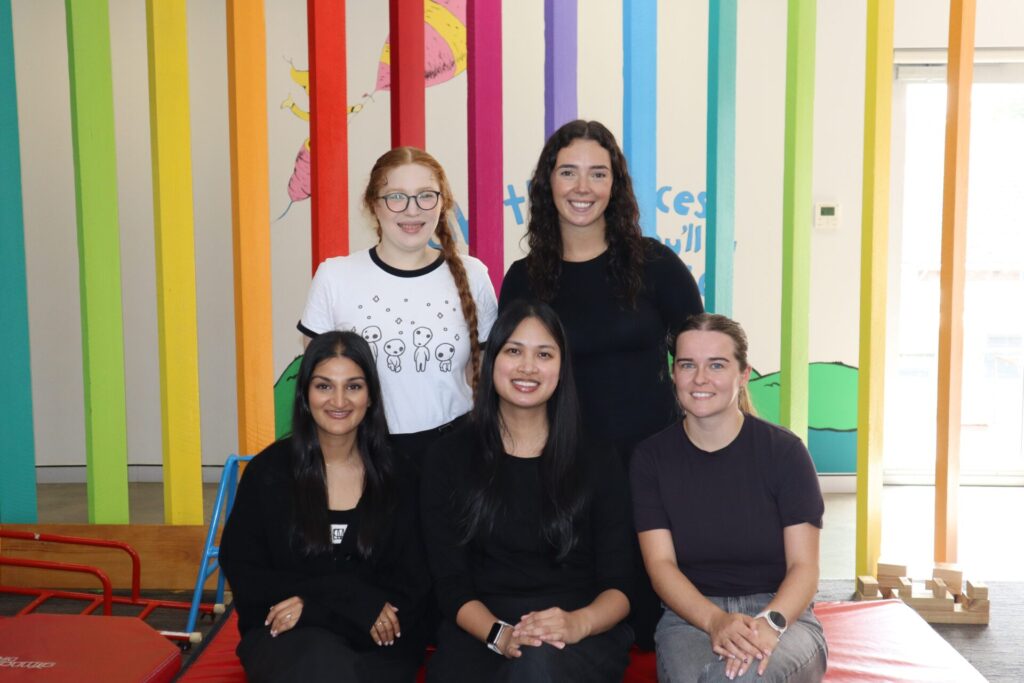
Our clinicians collaborate closely with families and other therapists to support meaningful communication outcomes.
Conditions we treat
Our paediatric speech pathologists are equipped to work with children with various conditions. Here are some of the conditions commonly treated by speech pathologists in Sydney:
- Any condition approved for NDIS funding
- Early Childhood Early Intervention (ECEI)
- Neurological conditions
- Acquired Brain Injuries
- Cerebral Palsy and Movement Disorders
- Genetic conditions
- Anxiety Disorders
- ASD (Autism Spectrum Disorder)
- ADHD (Attention Deficit Hyperactivity Disorder)
- Global Developmental Delay
- Respiratory problems (breathing disorders)
- Weak oral muscles
- Excessive drooling
- Chronic hoarseness of voice
- Cleft lip or cleft palate
Contact us to book speech therapy sessions at Therapies For Kids! We’ll start with an initial consultation to get a better, well-rounded understanding of your child’s needs.
Why Families Choose Therapies for Kids for Speech Pathology in Sydney
Families choose Therapies for Kids because we provide speech therapy that is individualised, evidence-based, and built around real-life outcomes. Our focus is not only on improving communication skills, but on helping children participate confidently at home, in early learning settings, at school, and in the community.
- Experienced paediatric speech pathologists who specialise in working with children and young people
- A transdisciplinary team approach so communication goals are supported across all therapies
- Therapy in real-life environments including clinic, home, preschool, school, and community settings
- Parent coaching at every stage so strategies can be carried over into daily routines
- NDIS and private services available
- No or short waitlists for many speech pathology services
Our goal is to make it easier for families to access the right support at the right time, with a clear plan and a team working alongside them every step of the way.
Book an initial speech pathology consultation and take the first step toward supporting your child’s communication with confidence.
FAQs about speech therapy for kids in Sydney
Is speech pathology covered under NDIS?
Yes. Speech pathology is commonly funded through the NDIS under Capacity Building – Improved Daily Living when it relates to your child’s communication, language, speech, social interaction, or feeding goals.
As a registered NDIS provider, we support families who are NDIA-managed, plan-managed, and self-managed, and our team will guide you through the process to make it simple and stress-free.
If you are unsure whether speech pathology is included in your child’s plan, we can:
review your funding with you
explain how it can be used
help you get started with the right support for your child
Our goal is to make accessing speech therapy through the NDIS clear, smooth, and tailored to your child’s needs.
At what age should my child start paediatric speech therapy?
There is no one-size-fits-all answer, as speech development varies in children. However, early intervention is often recommended. If a child shows signs of speech or language delay by age 2 or 3, it might be time to consult a speech therapist.
What are common signs that a child may need speech therapy?
Signs can include delayed speech development, trouble pronouncing words or speech sounds, difficulty understanding spoken language, limited vocabulary for their age, or problems with social communication.
What is involved with speech therapy?
Speech therapy techniques vary based on your child’s age, needs, and difficulties. Our therapists may use interactive activities, games, exercises, or specialised software to engage your child in learning and practising speech skills.
How long does a child need to be in speech therapy?
The duration of speech therapy depends on the child’s specific needs. Some children show improvement within a few months, while others may need ongoing support over several years.
Can parents help with speech therapy at home?
Yes, parental involvement is crucial. Our speech therapists often provide strategies and exercises for parents to work on with their children at home, enhancing the effectiveness of the therapy.
How much does speech therapy cost?
Speech therapy fees depend on the type and length of the session and whether your child is funded through the NDIS or privately.
For private (non-NDIS) services:
- Initial assessments range from $210 to $360 depending on complexity
- Ongoing therapy sessions range from $122 to $210 depending on session length
For NDIS participants:
Therapy is charged in line with the current NDIS price guide. A standard speech pathology session is $193.99 per hour, which includes both face-to-face time and non-face-to-face clinical work such as preparation, documentation, and parent support.
We will always discuss session options, frequency, and funding with you so you can choose what works best for your child and your family.
You can view our full Schedule of Fees here.
Do you have a waitlist for speech therapy?
We aim to offer speech therapy with little or no wait time whenever possible. Our team will talk with you about current availability across our clinics and session times, including morning and school-hour appointments. If there is a short wait for a specific time or therapist, we will help you find the earliest suitable option so your child can begin support as soon as possible.
Do I need a referral to see a speech pathologist?
No referral is required to access speech pathology at Therapies for Kids. Families can contact us directly to make an enquiry or book an assessment.
Referrals are welcome from GPs, paediatricians, preschools, schools, and other allied health professionals if your child is already being supported. NDIS participants can also use their funding for speech therapy without a medical referral.
Do you offer speech therapy at preschool, school, or at home?
Yes. Therapy can be provided in the environment that best supports your child’s participation and goals.
This may include:
- sessions at one of our clinics
- preschool or school visits
- home-based therapy
- support within community settings
Working in real-life environments helps children practise their communication skills in everyday routines and allows us to collaborate closely with educators and families.
Do you offer online speech therapy?
Yes, we offer telehealth speech therapy for families who prefer online sessions or who are unable to attend in person. Your speech pathologist will guide you to make sessions engaging, practical, and tailored to your child using toys, books, and activities you already have access to.
What if my toddler is not talking yet?
If your toddler is not talking yet, you are not alone. Many families start looking for answers when their child is not using words, has limited understanding, or is not meeting expected communication milestones. Early support from a speech pathologist can make a meaningful difference to your child’s language development.
Our team supports:
- late talkers
- toddlers who are not yet using first words
- children who have difficulty understanding language
- children who are slower to develop communication skills
We use play based speech therapy and parent coaching to help your child build early communication, develop first words, and interact with confidence in everyday routines at home, in childcare, and in the community.
How do I refer a child for speech pathology at Therapies for Kids?
Referring a child is simple.
Families, educators, GPs, paediatricians, and support coordinators can:
- call our admin team
- send us an email
- complete the online enquiry form on our website
Our team will then:
- discuss your concerns and goals
- talk through funding options (NDIS or private)
- match your child with the most suitable speech pathologist
- arrange an initial assessment
How do I book a speech therapy assessment?
Booking a speech therapy assessment at Therapies for Kids is simple. You can complete the enquiry form on our website, call our clinic, or email our intake team and we will guide you through the next steps.
Once we receive your enquiry, our team will talk with you about your child’s needs, check current availability, and match you with the most suitable speech pathologist. We will also discuss whether you are accessing therapy through NDIS or privately and answer any questions you may have before your first appointment.
If your child is ready to begin, we will schedule an initial assessment and send you everything you need to get started.
NDIS and Funding Options
We provide Speech Pathology services for NDIS participants, including self-managed and plan-managed funding. We also support families accessing private funding and can assist with referrals, reports and documentation where required.

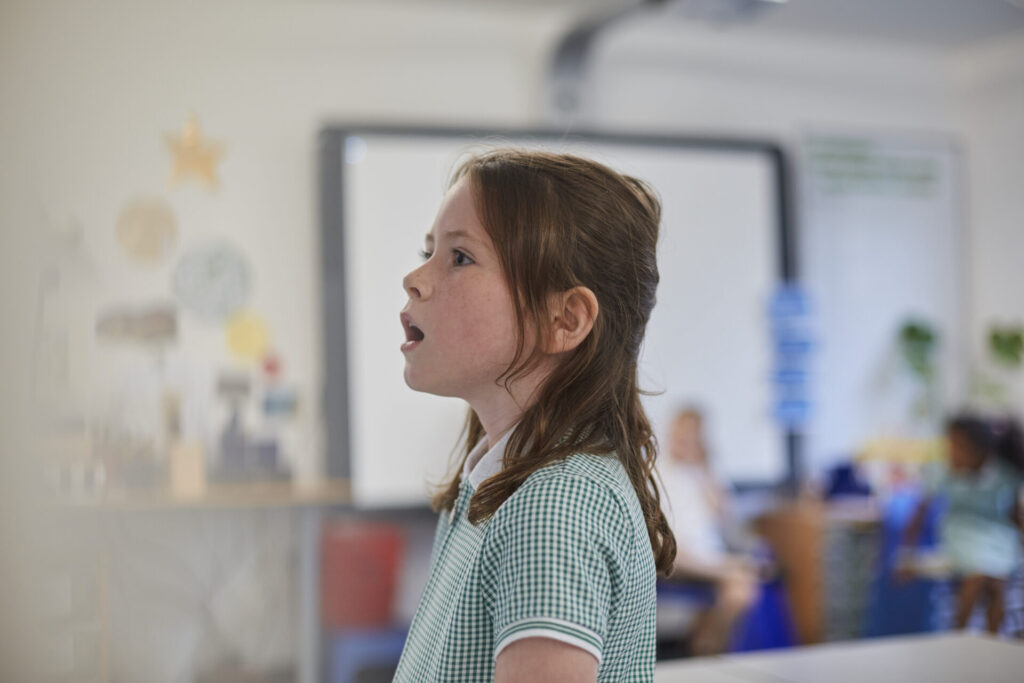
Not sure if your child requires speech therapy? Book your initial consultation today with our experienced Speech Language Pathologists!
Enquire now or learn more about conditions we treat.