Intensive Paediatric Therapy – helping Amelia reach her goals

12 November, 2022
A bright indoor children's therapy gym with colorful play mats, soft blocks, and climbing equipment.
Amelia comes to Therapies for Kids and participates in regular Intensive Paediatric Therapy to work on a number of goals:

Amelia recently participated in a 3 week intensive at our Sydney Clinic. This show what we got up to when Deb joined the session including…

Walking in the harness:

Squatting exercise in the harness:

Rolling practice:

Foot and ankle taping for improved positioning and alignment – Deb’s modification:

Amelia is wearing a postural support garment which assists with her postural alignment and gives her trunk stability in upright positions; and Amelia’s orthopedic shoes provide increased foot and ankle stability which Deb also modified to improve alignment in weight-bearing.

Intensive therapy allows Amelia and other children to practice skills with increased repetition over a short period of time, helping them build a skill much faster than otherwise. It follows the rules of neuroplasticity, which allow the nerve cells in the brain to make up for injury and disease and to change their activities in response to new situations or to changes in the environment.

Intensive therapy is delivered by experienced Physiotherapists, Occupational Therapists, and Speech Pathologists, under the guidance of our Clinical Director Deb Evans. Each program is individualised to the client’s needs. The program will challenge your child, helping them to maximise gains in strength and function in a short period of time.

Intensive paediatric therapy is ideal for infants through to adolescents with neuromuscular disorders and a variety of diagnoses, or anyone looking to accelerate their progress in functional and developmental skills.

Regular blocks of intensive therapy combined with regular ongoing therapy enables faster gross motor accomplishment.
Smiling woman with light brown hair and a black top, in front of a colorful rainbow-striped background.
By Deb Evans

Executive Director

Categories
Subscribe to Therapies for Kids

Receive our news, helpful guides and special announcements directly to your inbox.

More Reading
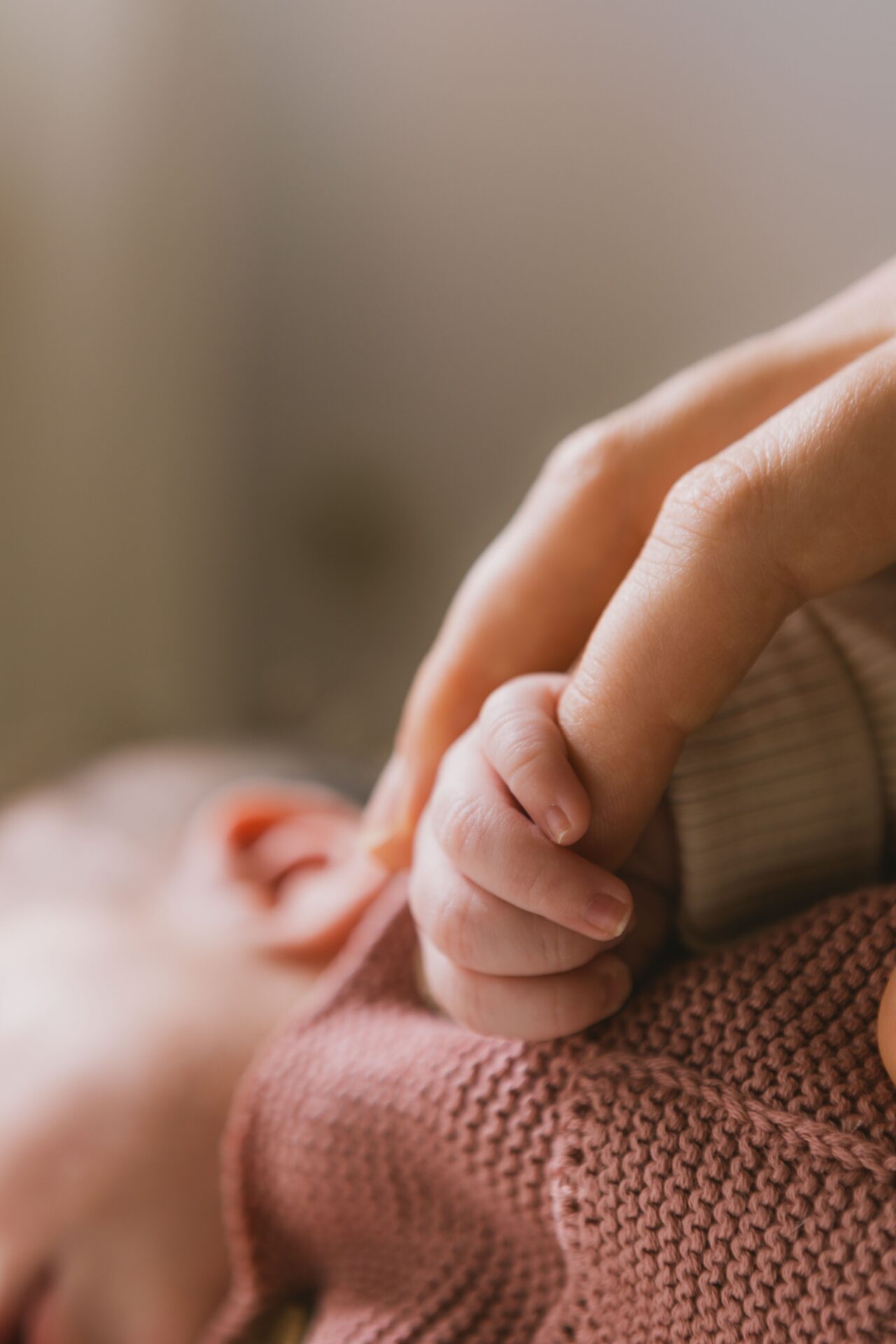
A newborn baby’s hand gripping an adult’s finger, resting on a soft knitted blanket.

Born Early: What Prematurity Means for Your Child’s Development. Part 1: Babies born a little early

This week is World Prematurity Day, so I thought it was the perfect time to write about prematurity. When I began working as a physio in the late 1970s, the way we defined and thought about prematurity looked quite different. Today, “premature” covers a wide range of babies, from those who arrive just a few weeks early to tiny babies born at 25 to 28 weeks who spend months in NICU.
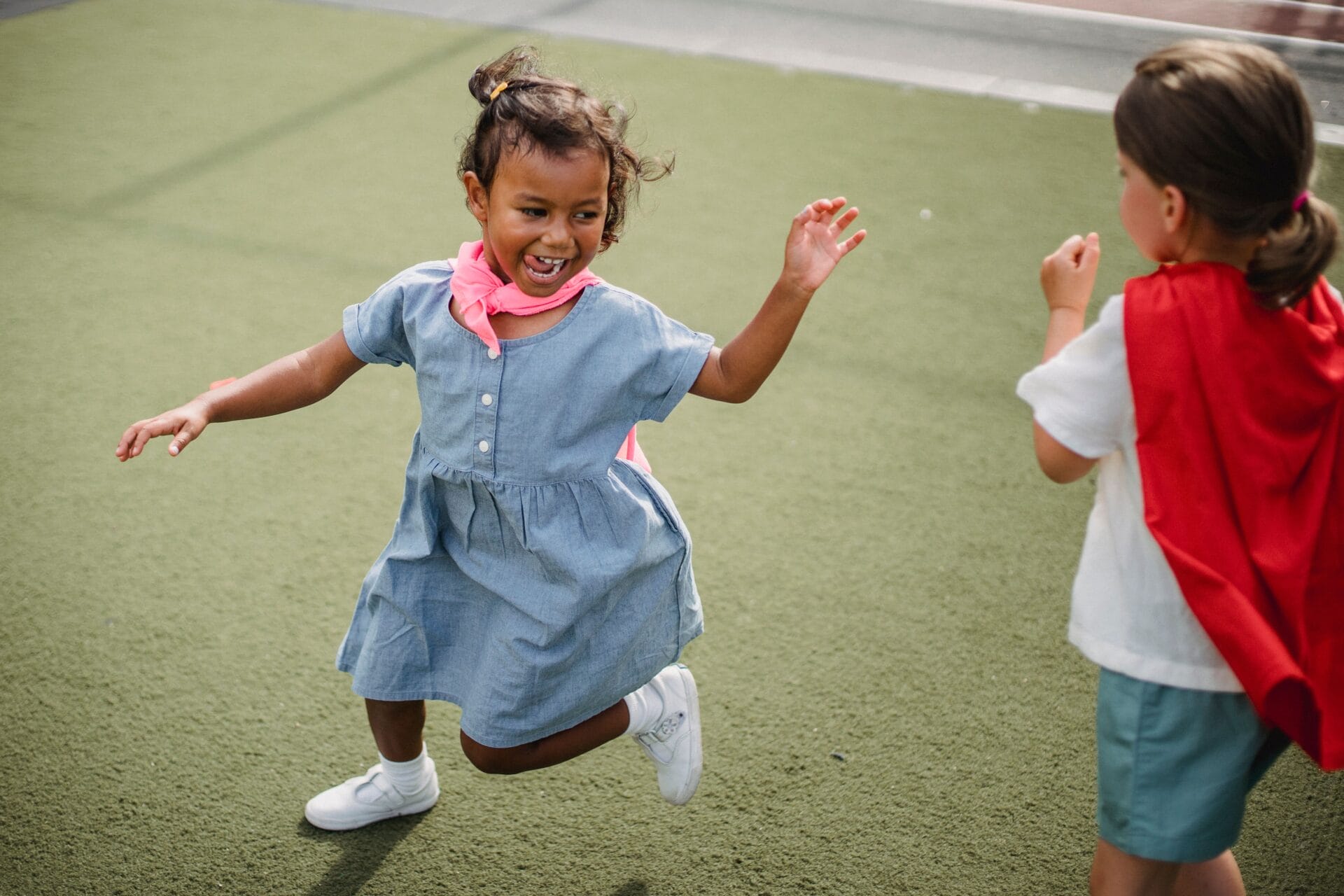
Two young children playing together outdoors wearing superhero capes, one running and laughing.

Ready, Set, Play! Getting Bodies, Voices and Friendships Ready for School (Part 2)

School readiness skills aren’t only about pencils and letters. Ask a child what the best part of school is, and I can almost guarantee the answer won’t be the classroom. It’ll be recess, lunch, and who they played with! In Part 1, we looked at getting little hands ready for school: lunchboxes, scissors, pencils, zips and dressing. But when that bell rings, your child also needs to run, climb and catch, to ask for a turn on the monkey bars, to tell the teacher what they need, and to cope when the game doesn’t go their way.
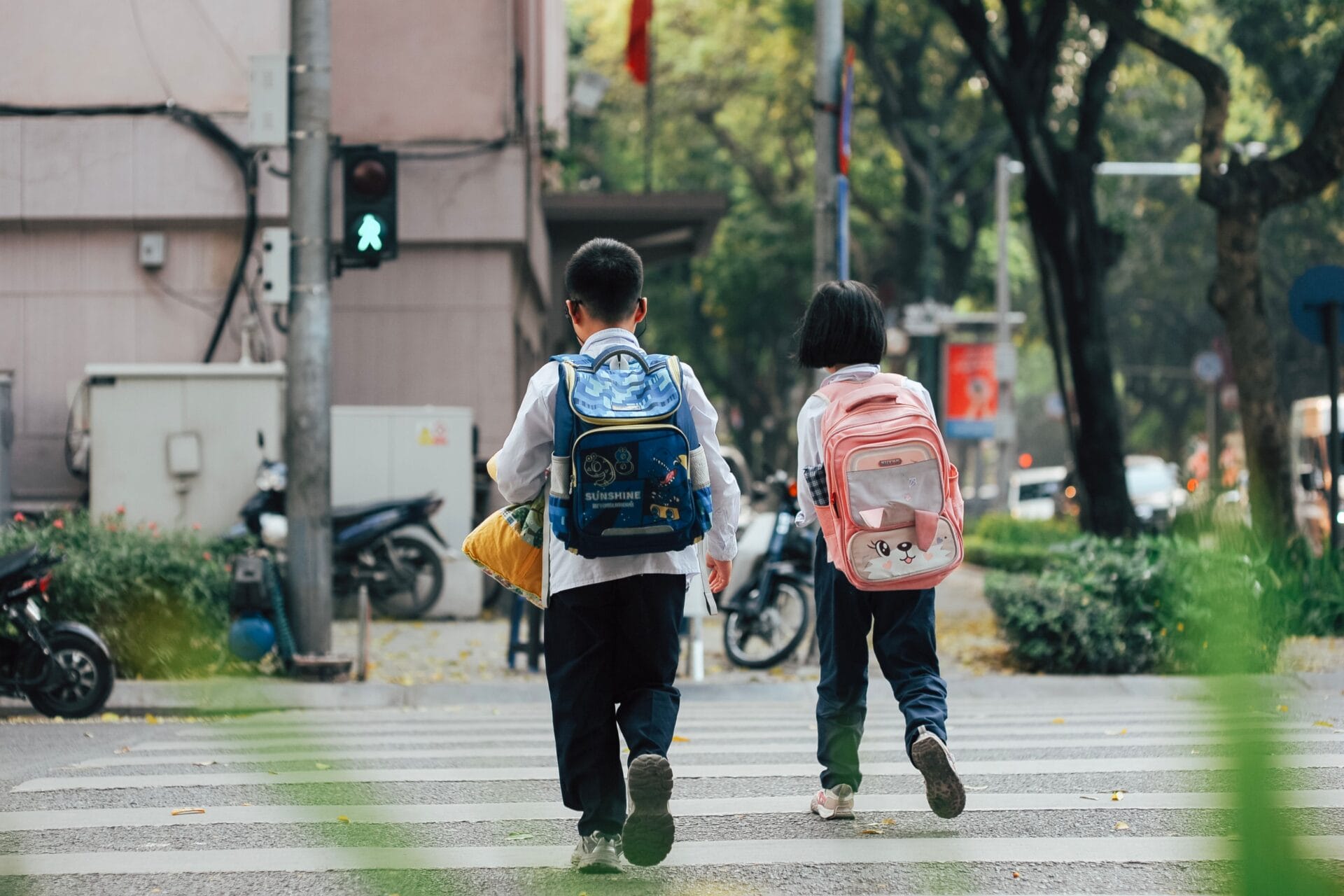
Two young children in school uniform walking across a pedestrian crossing with backpacks, seen from behind.

Getting Little Hands Ready for School (Part 1)

If your little one has been to school orientation in the past few weeks, you might have found yourself standing at the back of a classroom, watching them sit on the mat for the very first time. And if you’re honest, you might have been quietly comparing. Is she holding the pencil the same way as the others? Why is he the only one still struggling with his jumper? Every parent does it. Underneath all that watching is one big question: will they cope? Our OTs are constantly looking for new and creative ways to develop these skills. To your child, it looks like play. But behind the fun, it’s building a foundation for life.
Search

Please type in your search query below: