Intensive Paediatric Therapy – helping Harry ride his bike

12 October, 2020
Harry is four-years-old with a condition called Prader-Willi Syndrome, a rare genetic disorder affecting development and growth. For Harry, the syndrome affects his balance, strength, and motor planning abilities.
A young boy rides a small red bike on a dirt path with help from an adult, while two dogs play in the background.

Through an intensive paediatric therapy program, Harry is better able to develop the skills necessary to meet his personal goals, such as riding a bike.

We started Harry on a balance bike to teach him how to balance, turn, and navigate, before moving on to a pedal bike. He completed a 3-week intensive including bike riding with other life skills. He subsequently completed weekly physiotherapy at Narrandera Therapies for Kids to consolidate his therapy, followed by a mini-intensive (1 week). This powerful combination, as well as a supportive family, has enabled Harry to ride his bike independently on his family’s farm in the Riverina, just one week after the mini-intensive. Watch the video to see Harry in action.

The Intensive Paediatric Therapy programs have been particularly beneficial to Harry, as he gets one-on-one time with experienced therapists, overseen by our Executive Director, Debbie Evans, with over 40 years experience and knowledge. Harry’s therapist, Clare Hoogers said “This is a massive goal for a child with Prader-Willi Syndrome. Most kids never make it this far. We are sooo proud of Harry and his family for this amazing achievement.”

If your child has a genetic and metabolic syndrome like Harry, Intensive Paediatric Therapy with experienced therapists can help them achieve their goals.

All Intensive Paediatric Therapy programs are designed specifically around your child’s individual needs and are an effective way of challenging your child to help them maximise gains in strength and function within a short period of time. This could be to walk, roll or sit independently, complete stairs, climb playground equipment, increase endurance/stamina, improve running style, etc. There is no limit to what goals we work towards. The intervention and treatments are tailored to the individual goals so no two intensives are ever the same.

We have some space available for Intensive Paediatric Therapy sessions. Contact us directly so we can tailor a program for your child and help them reach their goals.

Smiling woman with light brown hair and a black top, in front of a colorful rainbow-striped background.
By Debbie Evans

Executive Director

Categories
Subscribe to Therapies for Kids

Receive our news, helpful guides and special announcements directly to your inbox.

More Reading
Close-up of a child’s hands holding an orange pencil and writing in a workbook.

Celebrating OT Week: Why Little Hands Matter So Much

This week at Therapies for Kids, we’re celebrating our wonderful occupational therapists! Over the past week, we’ve been sharing ideas to support handwriting by building strength in the muscles of the hands. So I thought I’d take a moment to talk about fine motor skills, because they form the basis for so many of the activities your child does throughout the day. Our OTs are constantly looking for new and creative ways to develop these skills. To your child, it looks like play. But behind the fun, it’s building a foundation for life.
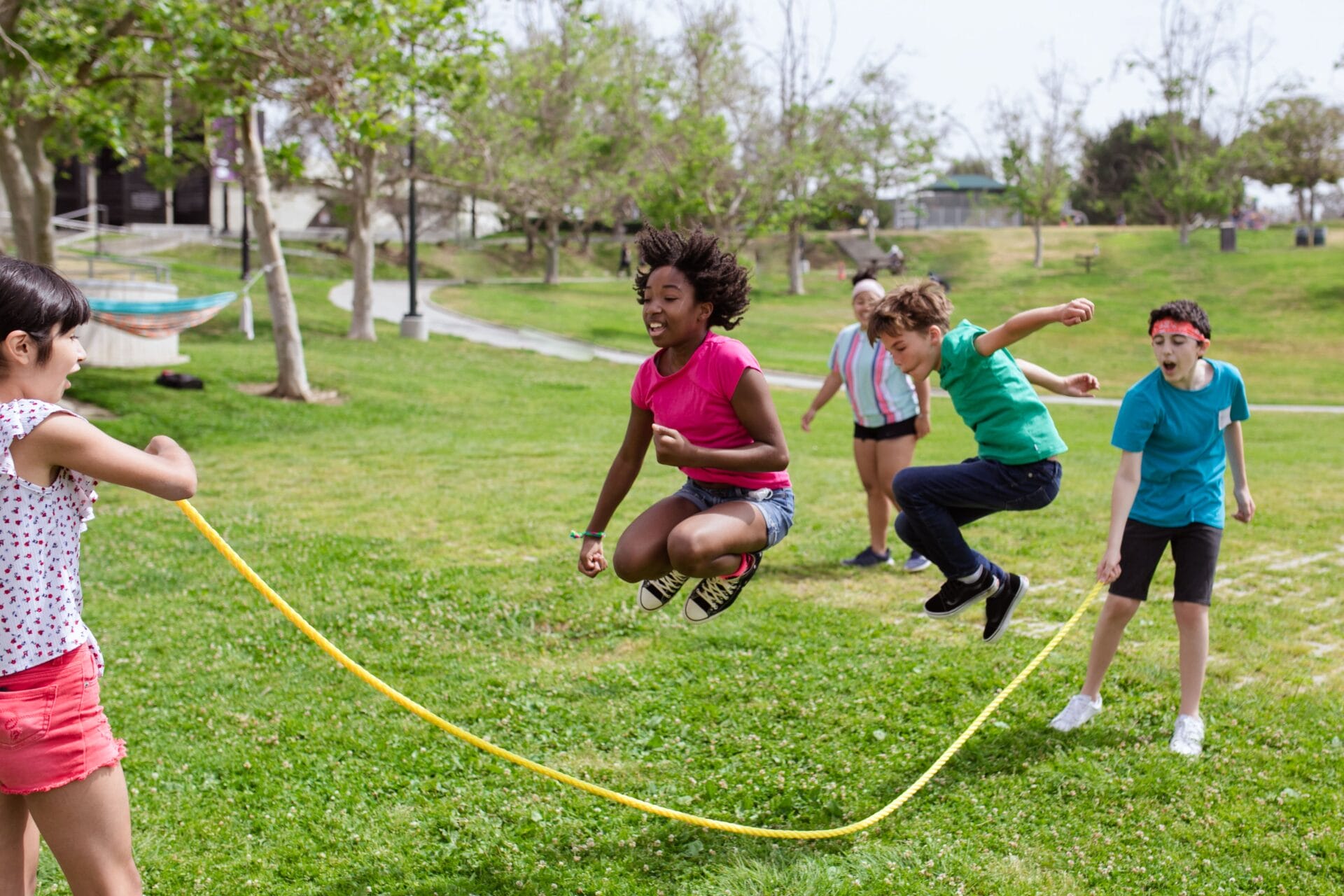
A group of children taking turns jumping over a long skipping rope in a park.

Why Skipping Matters: The Step-Hop Milestone That Brings It All Together

Skipping looks like pure joy, and it is. It’s also one of the most complex movement skills young children learn. Here’s what goes into it, when to expect it, and how to help if your child is finding it tricky. Skipping is the culmination of a whole set of gross motor skills that children build between the ages of about two and five: balancing on one leg, jumping, hopping and galloping. When a child finally skips across the playground, all of that earlier work is coming together at once. (Just so we’re on the same page, I’m talking about the step-hop skip across the yard, not skipping with a rope. That comes later!)
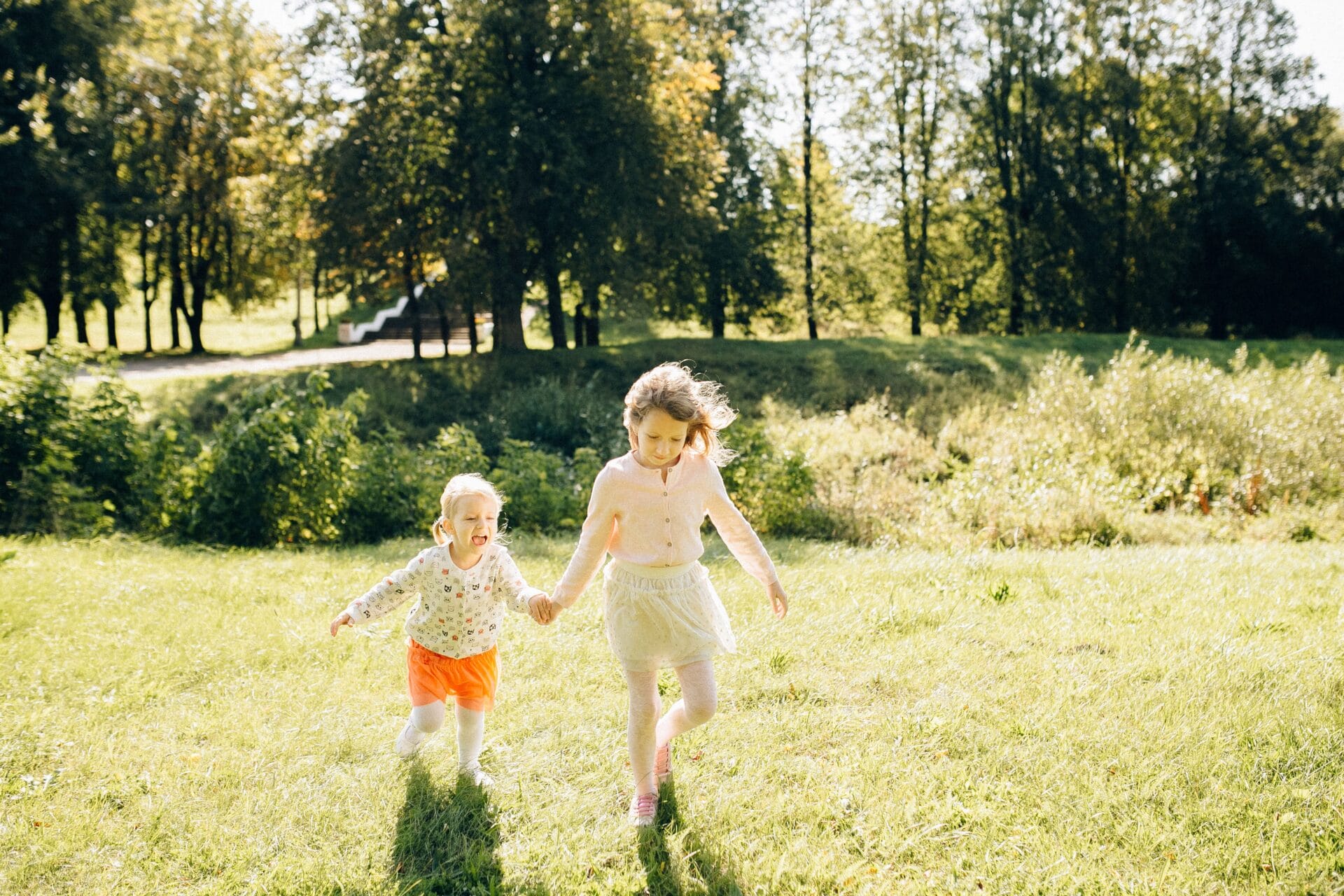
Two young children running together across sunlit grass, using balance and core stability as they move.

Core Strength in Children: What It Actually Means, and What Helps

If you’ve been told by a therapist or GP that your child has weak core strength, and you’re not quite sure what that means, I’ll unpack it here: what the term actually refers to, and what helps. Core strength comes up constantly in paediatric therapy, and it’s one of the most misunderstood phrases we use. Parents often hear it from a teacher, a physio or another parent, and go home picturing sit-ups. It isn’t about sit-ups, and it isn’t really about strength in the way most people imagine it.
Search

Please type in your search query below: