Milestones

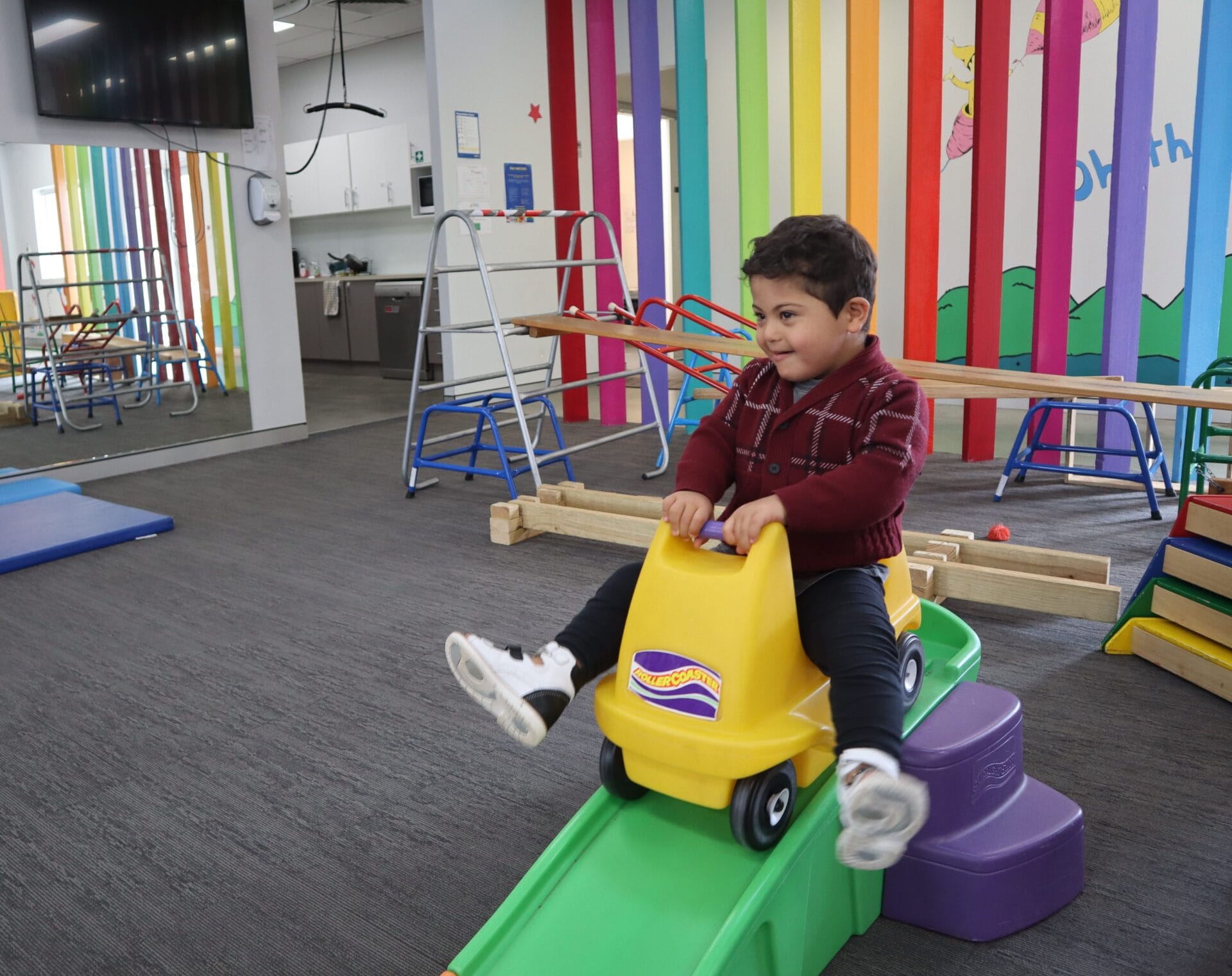
Smiling toddler riding a yellow toy car down a green ramp inside a colorful indoor play gym.

Hypermobility in Kids: What Every Parent Needs to Know (And What to Do About It)

Wondering if your child is “just flexible” or experiencing symptomatic hypermobility? Learn the signs to look for, how hypermobility can affect daily life, and how paediatric physiotherapy can help.
A girl jumps mid-air over an elastic band held by two other children playing outdoors in a sunny park.

Why Hopping Matters: A Key Milestone in Your Child’s Development

Hopping is more than just a fun skill — it’s an important milestone that shows strength, balance, coordination and confidence. Learn when children typically hop, why it matters and how to support their development.
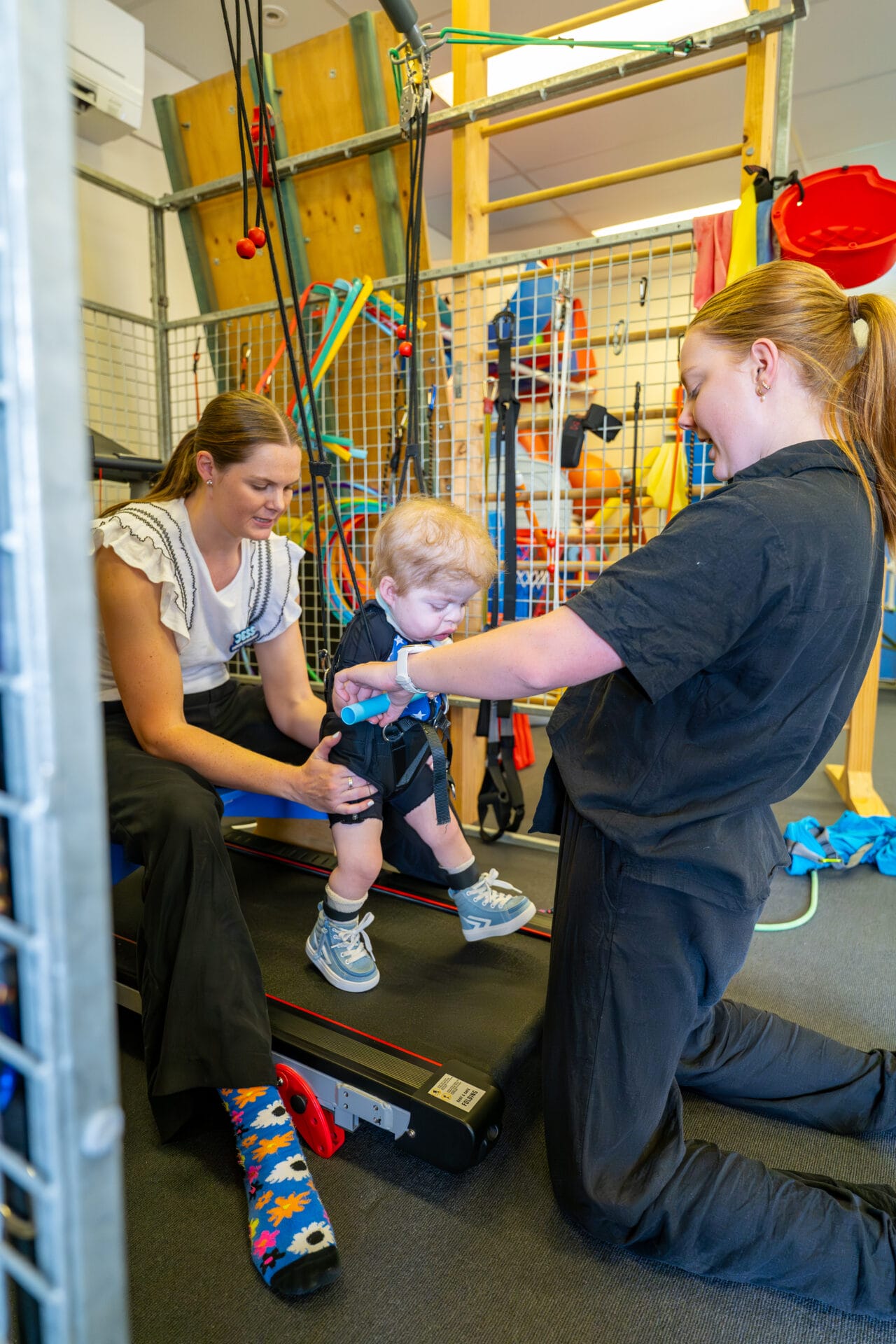
A young child receiving intensive paediatric therapy with two therapists guiding movement on a treadmill.

Unlocking Potential: Neuroplasticity in Early Intervention Therapy for Children

Neuroplasticity is the brain’s ability to adapt and rewire, especially strong in early childhood. Targeted therapy during this time helps build stronger, more functional brain pathways. Whether your child is learning to move, speak or sit, early intervention makes a difference.

Two women help a young boy play with a pegboard game at a small table in a colorful playroom.

What Is Joint Attention In Children?

Joint attention is a crucial developmental milestone in children. This blog explains joint attention & some effective joint attention activities for kids.
Two adults help a young girl practice balancing on colorful stability equipment in a playroom.

Jumping milestones for children 18 months to 5+ years

Jumping develops once your toddler is walking, going up and down stairs, trotting, and walking on their toes.
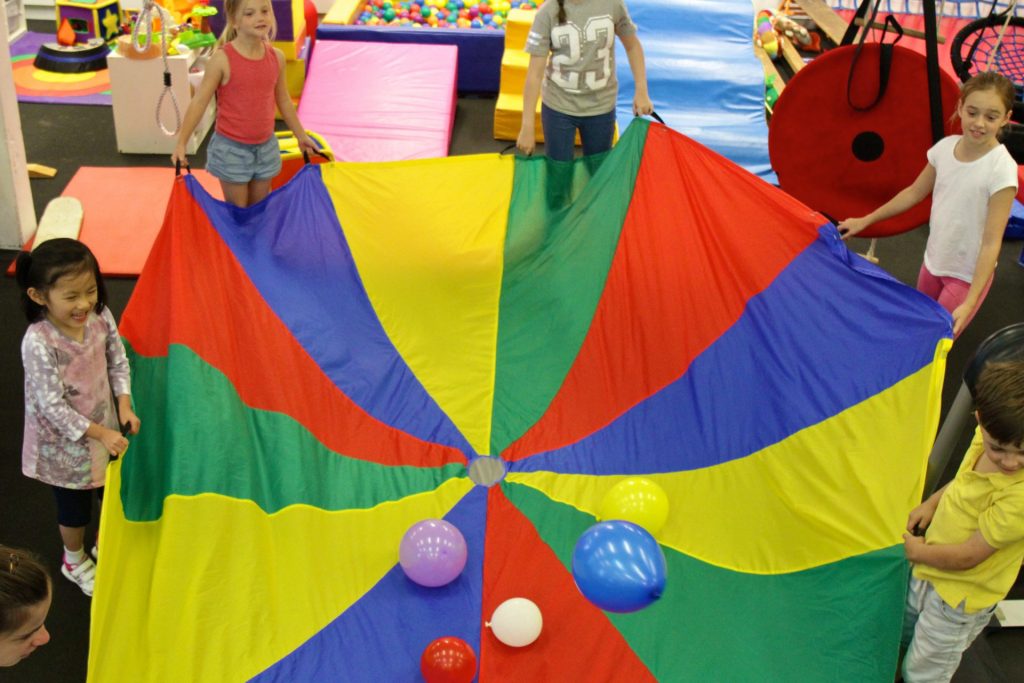
Children holding a large, colorful play parachute with balloons in an indoor playroom.

Social stages of play for children 0-6+ years

Any activity that your child does (whether organised or unstructured) that they find fun is considered play. Play is much more than just having fun. While playing, your child learns and develops important skills they will continue to use throughout their lifetime. There are 6 stages of play during early childhood – all of which are important for all areas of development.
A teacher and child interact using a colorful illustrated story board depicting a park scene during a lesson.

Pointing for children 5-18 months

Pointing is a fine motor skill that is used for early social and communication interactions.
Toddler in blue overalls holds the hands of two adults while taking steps.

Independent standing milestones for children 0-12 months

In the last 2 weeks we have had a number of our little people at TFK achieve independent standing. Such a lovely thing to see as a baby has the confidence and skills to let go and stand alone. Initially they can only stand, but very quickly they can hold a toy, play, and reach while maintaining their balance in standing. The ability to stand alone is important for both motor and social/cognitive development.
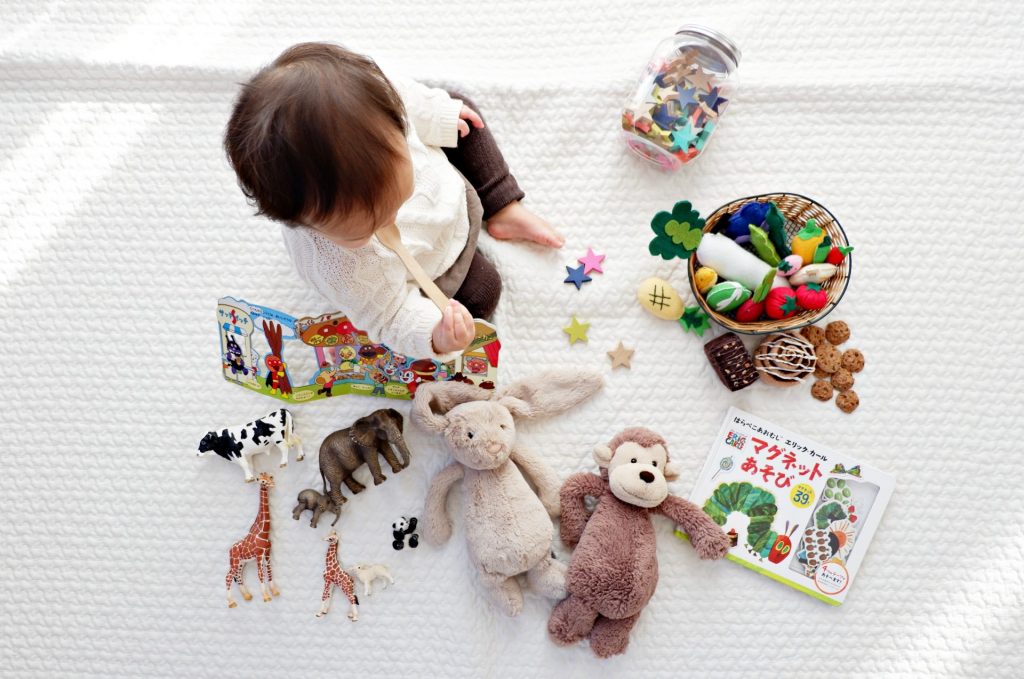
Overhead view of a baby sitting on a white mat, surrounded by toys like stuffed animals, books, and play food.

Fine motor skills for children 6-12 months

Last week we discussed fine motor development in the first 6 months and the importance of vision and gross motor skills for this successful development. From 6-12 months, this continues to be the case, but as well fine motor development (especially pointing) is important for early communication.
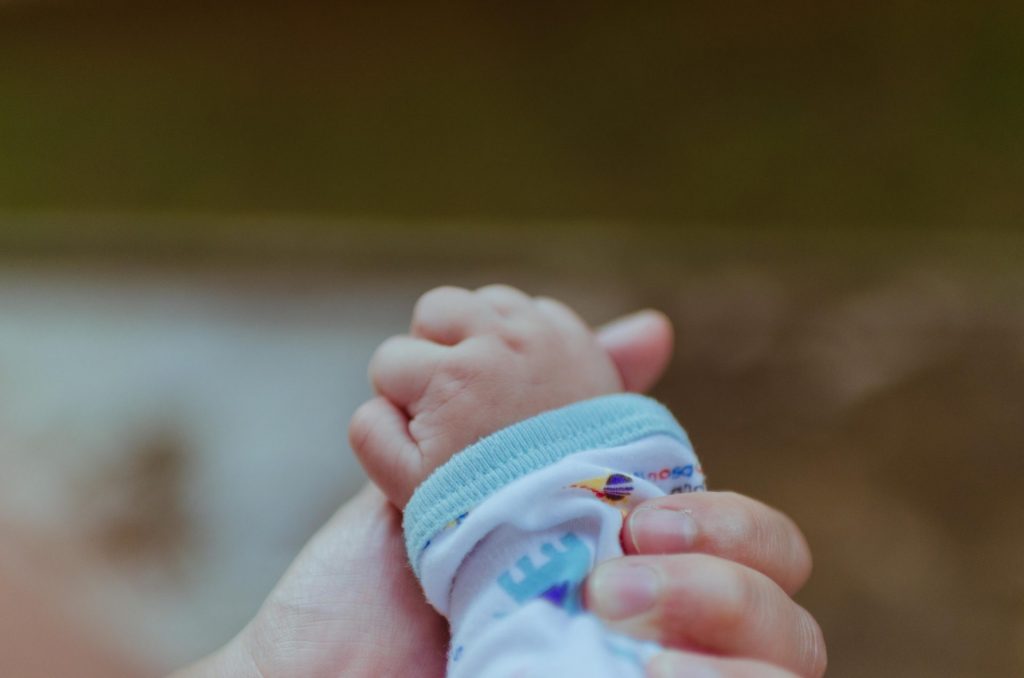
A tiny baby's hand in a patterned sleeve gently holding onto an adult's hand.

Hand skills for children aged 0-6 months

For the next couple weeks, we will discuss the development of fine motor skills in the first 12 months of a baby’s life. Fine motor skills are the movements we make using the small muscles of the hands.
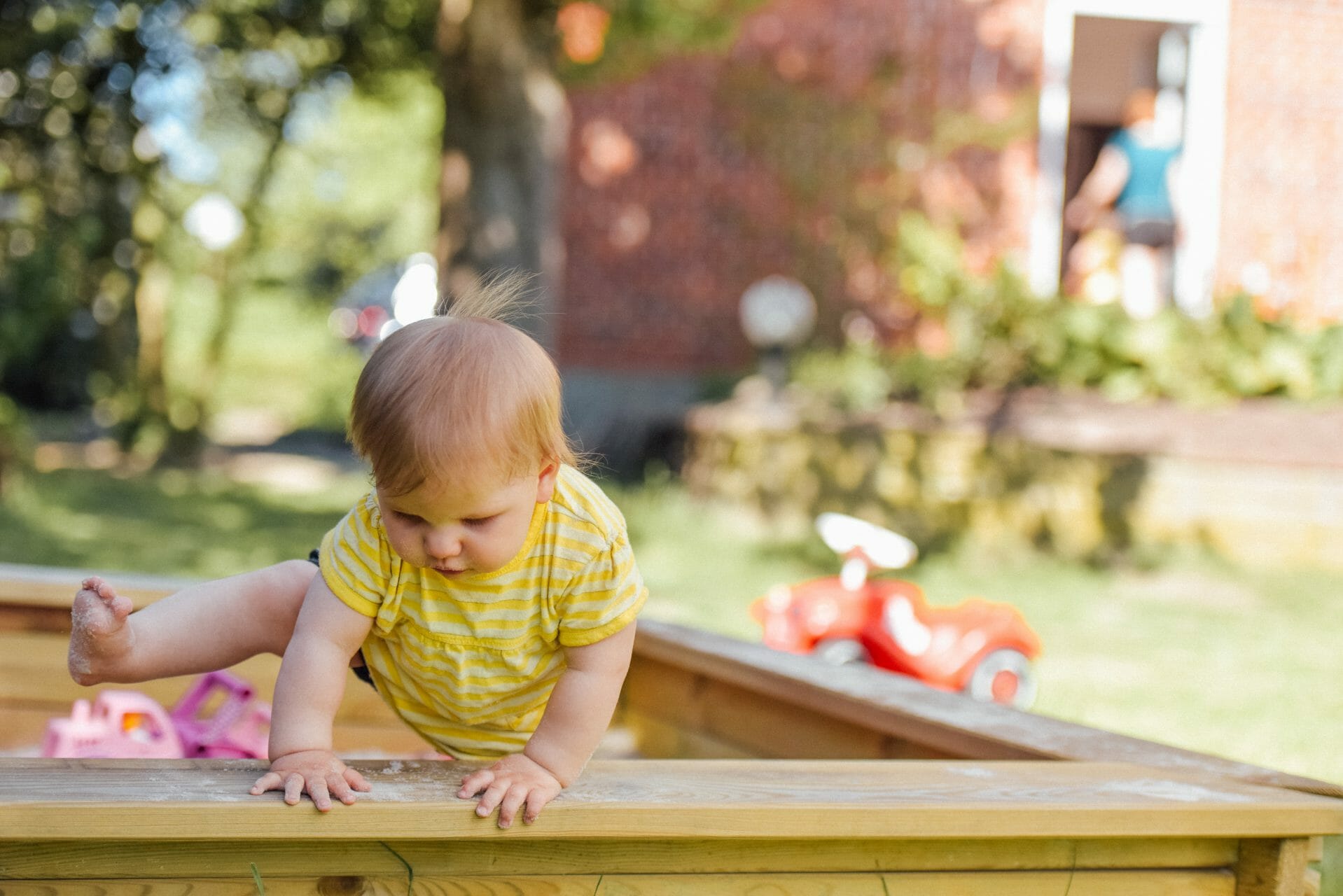
Blond baby in a yellow t-shirt climbs over the edge of a wooden sandbox in a sunny backyard.

Early climbing for children aged 8-12 months

Welcome back to transitional gross motor milestones. Your babies are far more mobile now! Which is so much fun but also means you may have to have a closer, watchful eye on those moving little people.
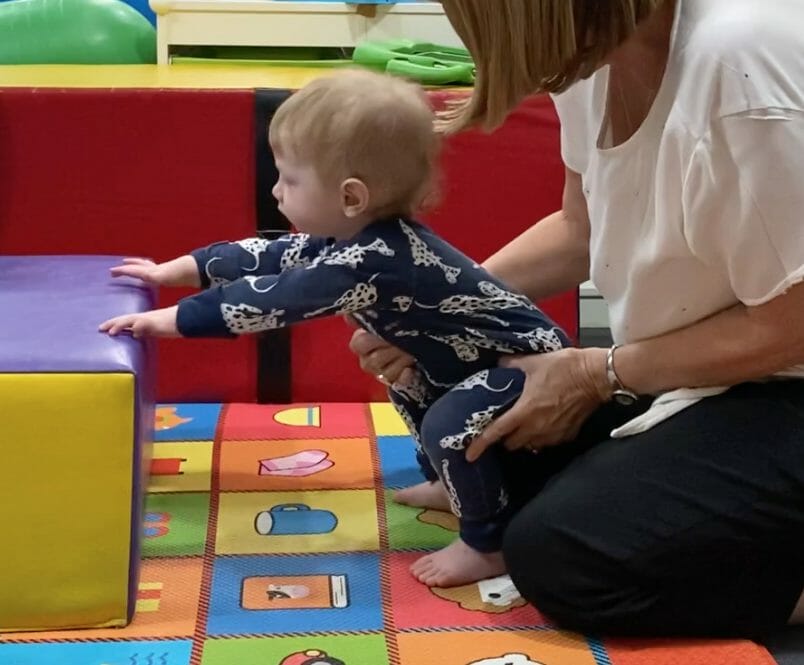
An adult supports a toddler in pajamas as they lean on a colorful foam block to practice standing.

Pulling to stand using furniture for children 7-12 months

8 to 10 months old babies begin to have more strength and explore the space around them.
Search

Please type in your search query below: