Child Development Tips

Hypermobility in Kids: What Every Parent Needs to Know (And What to Do About It)

Wondering if your child is “just flexible” or experiencing symptomatic hypermobility? Learn the signs to look for, how hypermobility can affect daily life, and how paediatric physiotherapy can help.
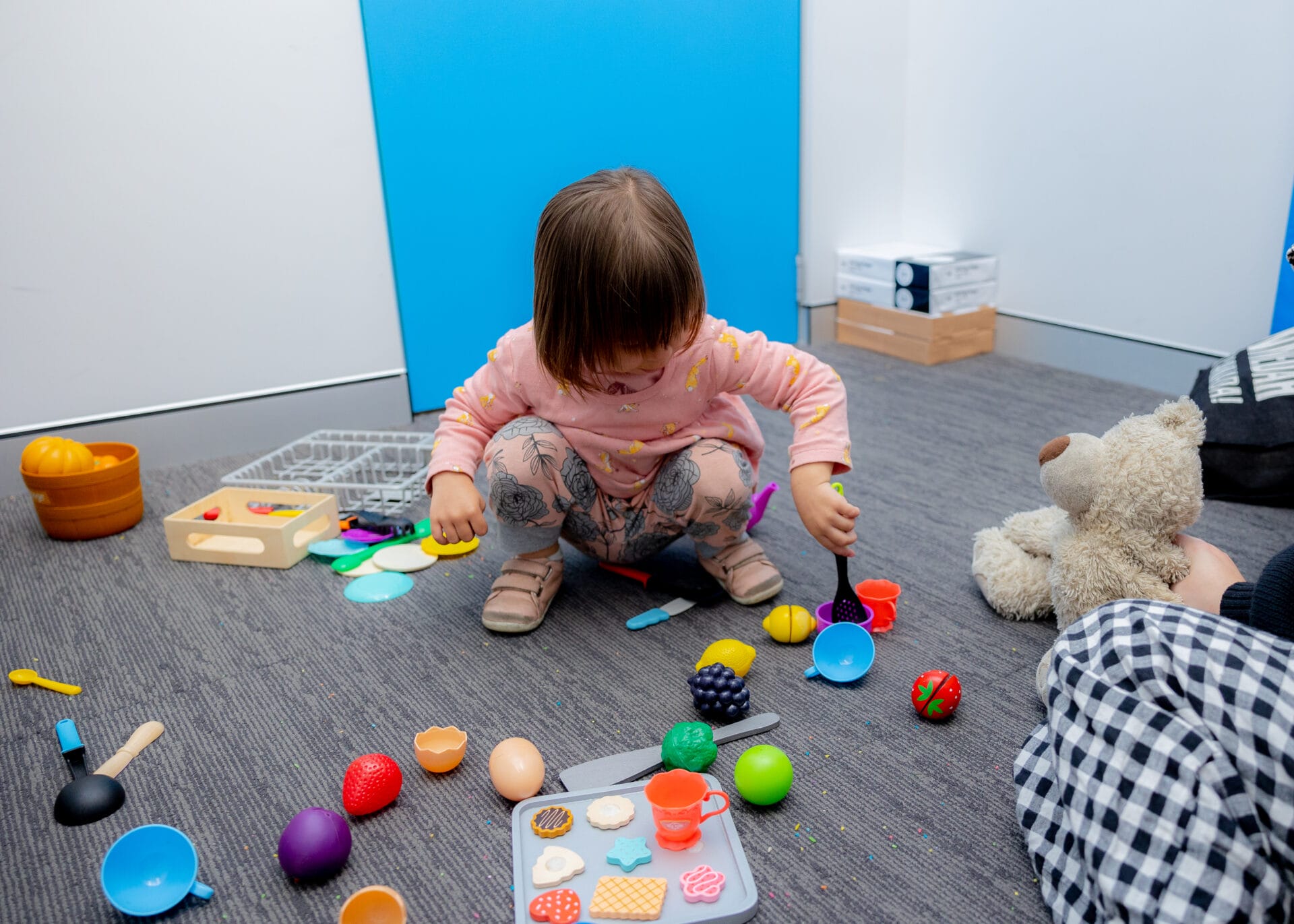
child therapy session at home

Does my child need therapy? Signs to look for at each age

Not sure if your child needs therapy? This guide breaks down the signs to look for at each stage of development and when it may be helpful to seek support. If your child is already receiving therapy, you may recognise some of these stages and how their skills are developing over time.
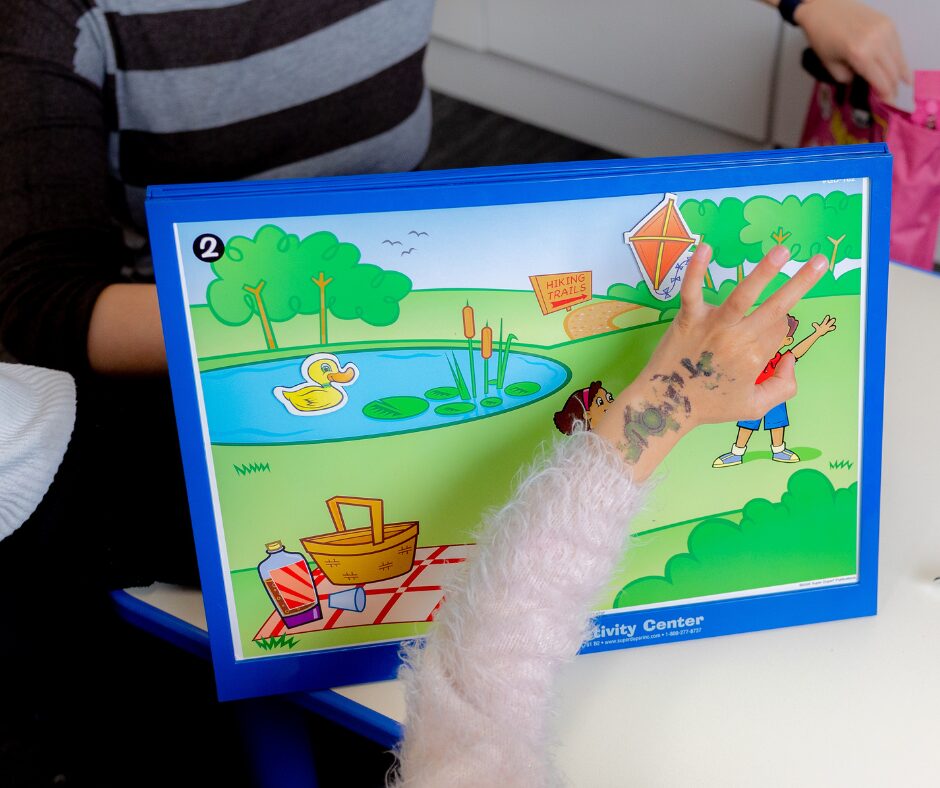
Speech pathologist using total communication with a child in Sydney

Total Communication: Why We Use Words, Signs, Visuals and Play Together

Discover how total communication in speech pathology uses Key Word Sign, visuals, AAC and play to support language development, reduce frustration and help children communicate with confidence.
Community engagement therapy supporting children in real-world environments

Community Engagement Across Childhood and Adolescence

Therapy doesn’t only happen in a clinic. Community engagement supports children from early childhood through to adolescence to build confidence, independence, and meaningful participation in everyday life.

Sensory Processing in Children: Signs, Strategies and Support

Sensory processing plays a powerful role in your child’s behaviour, emotional regulation and confidence. This guide breaks down the key signs of sensory processing differences, practical strategies you can use at home, and when to seek extra support — helping your child feel safe, calm and ready to learn.
Beyond Behaviour Management: Supporting children and families to encourage positive behaviours

Discover strategies for supporting children with positive behaviours that go beyond behaviour management. Learn how connection, compassion, and confidence can help children thrive.
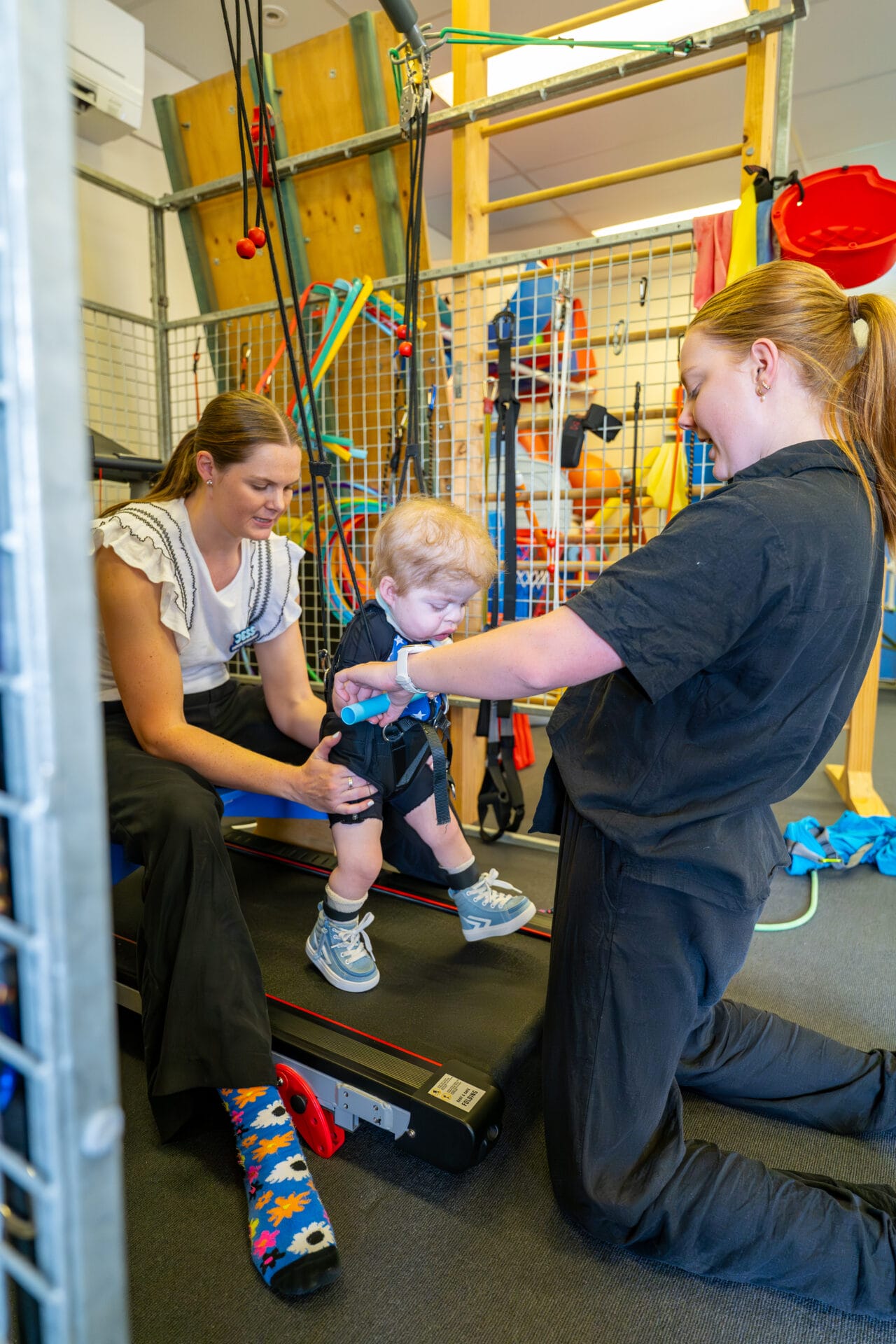
A young child receiving intensive paediatric therapy with two therapists guiding movement on a treadmill.

Unlocking Potential: Neuroplasticity in Early Intervention Therapy for Children

Neuroplasticity is the brain’s ability to adapt and rewire, especially strong in early childhood. Targeted therapy during this time helps build stronger, more functional brain pathways. Whether your child is learning to move, speak or sit, early intervention makes a difference.

Tips for interactive reading

I am frequently asked how often, how much, and where to practice therapy. Parents are often shown therapy in a setting which doesn’t always translate into their daily lives and as such find it hard to carry out important skill learning with their child. Here are 7 ways to help make therapy a fun and easy part of your daily routine.

The F-words for child development

Research in childhood disability has identified six F-words that should be the focus for development. These include Function, Family, Fitness, Fun, Friends, and Future.
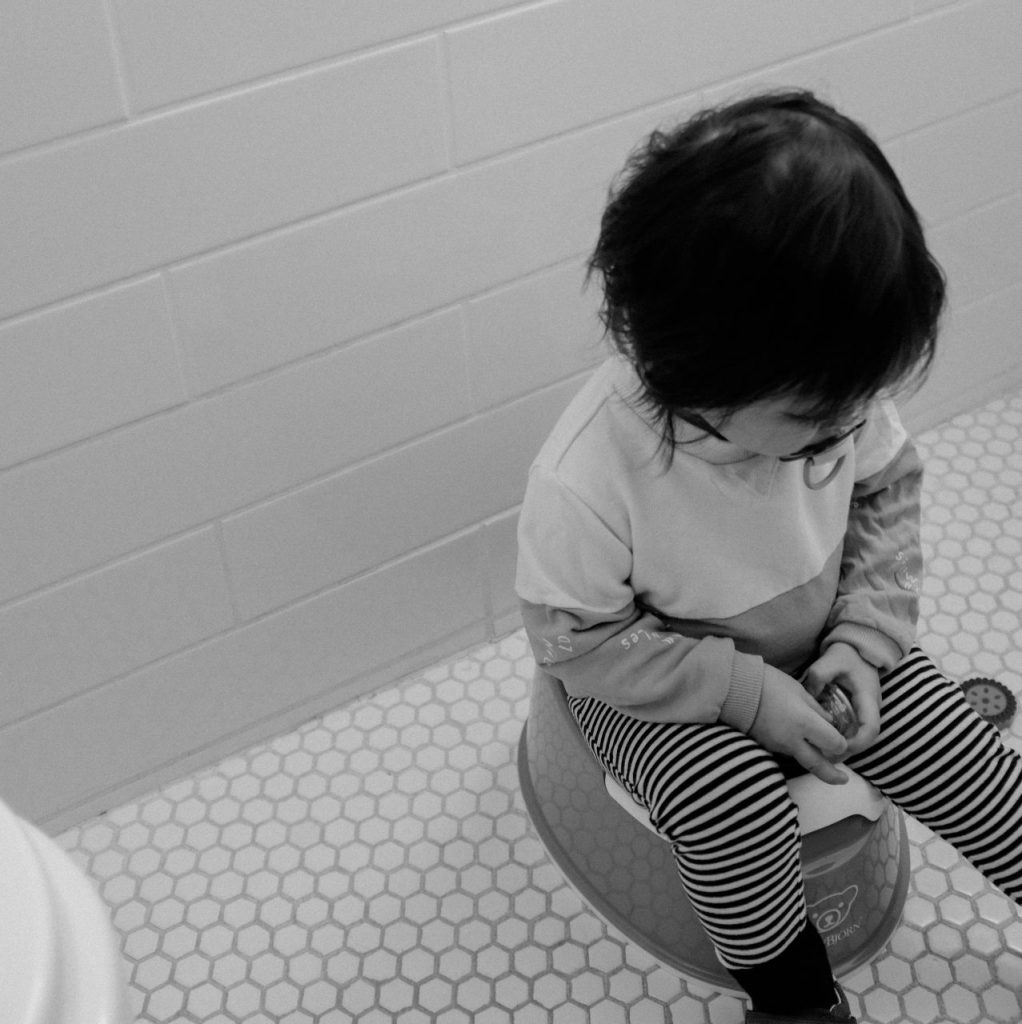
toilettraining-1022x1024

Tips for toilet training your toddler

We often get asked when a parent should be worried about toilet training for their child. Like all developmental milestones, each child is individual in the time they are ready. Some children start being interested in toilet training as early as 18 months, but anywhere up to 3.5 years is okay.

Preparing for the transition from daycare to school

Transitioning from daycare to preschool is one of the biggest milestones in any family and at TFK we feel that supporting children to make this transition successfully helps set the foundation for a lifetime of learning.
tummytime9

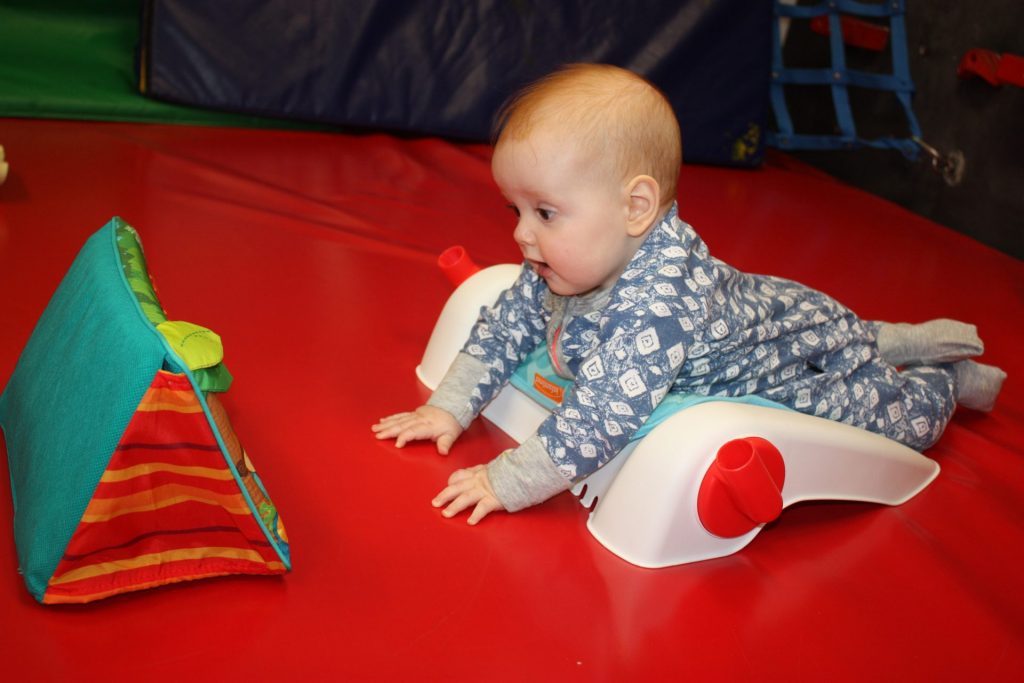
The magic of tummy time for babies

At TFK we are constantly talking about tummy time for babies. There are so many reasons why tummy time is important.
Search

Please type in your search query below: