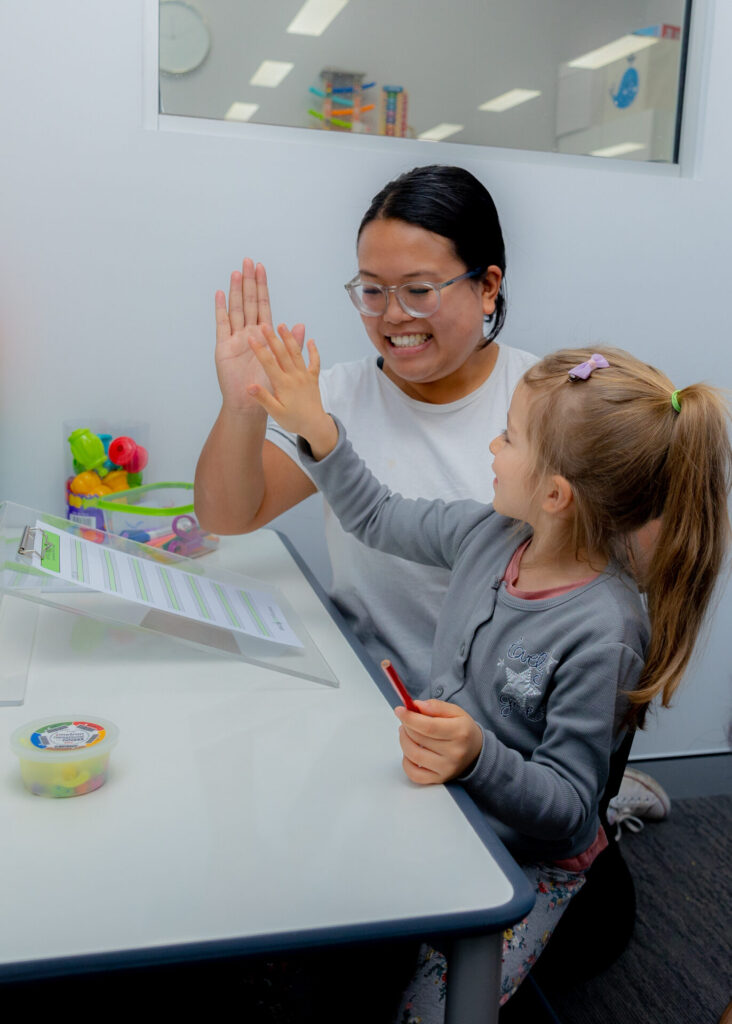
What is Hanen?
You may have heard advice like “talk more with your child” or “follow their lead”. These ideas come from a well-known, evidence-informed approach used in speech pathology called Hanen.
Hanen focuses on supporting children’s communication development by working closely with parents and caregivers. Rather than focusing only on what happens in therapy sessions, it builds communication skills through everyday routines, play, and interactions.
At its core, Hanen recognises something important:
Communication doesn’t just happen in a clinic.
It happens in real life, every day.
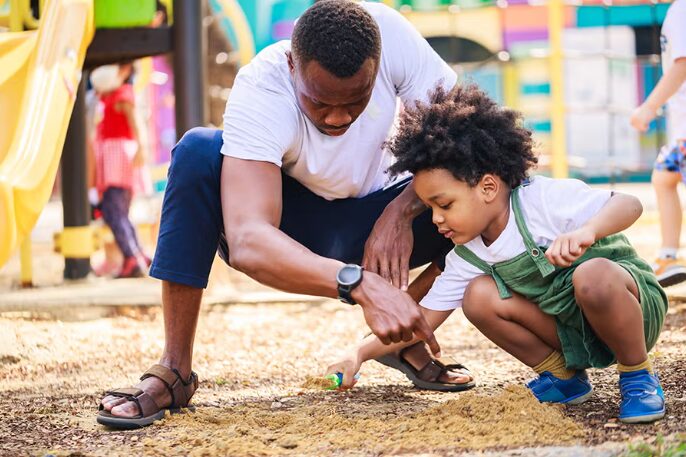
Who are Hanen Programs For?
Hanen programs are designed for different stages of communication development:
It Takes Two to Talk®
- For young children with delayed language development
- Focuses on building early interaction, understanding and expressive language
- Supports parents to become confident communication partners
More Than Words®
- Designed for autistic children or children with social communication differences
- Focuses on interaction, engagement, and social communication skills
- Helps parents support communication in meaningful, everyday ways
Both programs are centred around empowering families with practical strategies that can be used at home.
Why Hanen Matters
Many children learn best through meaningful, natural interactions. Research in early childhood communication shows that responsive, back-and-forth interactions with caregivers play a key role in language development (Tamis-LeMonda et al., 2001).
Hanen builds on this by helping adults:
- notice their child’s communication attempts
- respond in ways that support language growth
- create more opportunities for interaction throughout the day
This means children are not just practising communication during therapy sessions, but throughout their daily experiences.
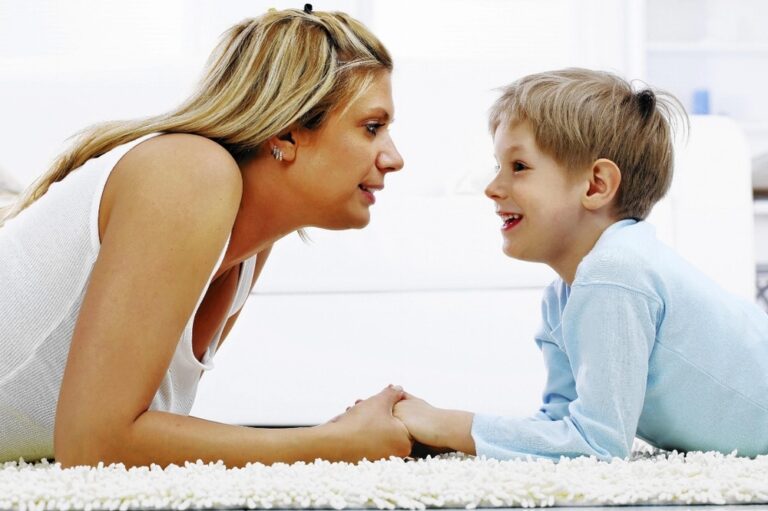
What Does Hanen Look Like in Practice?
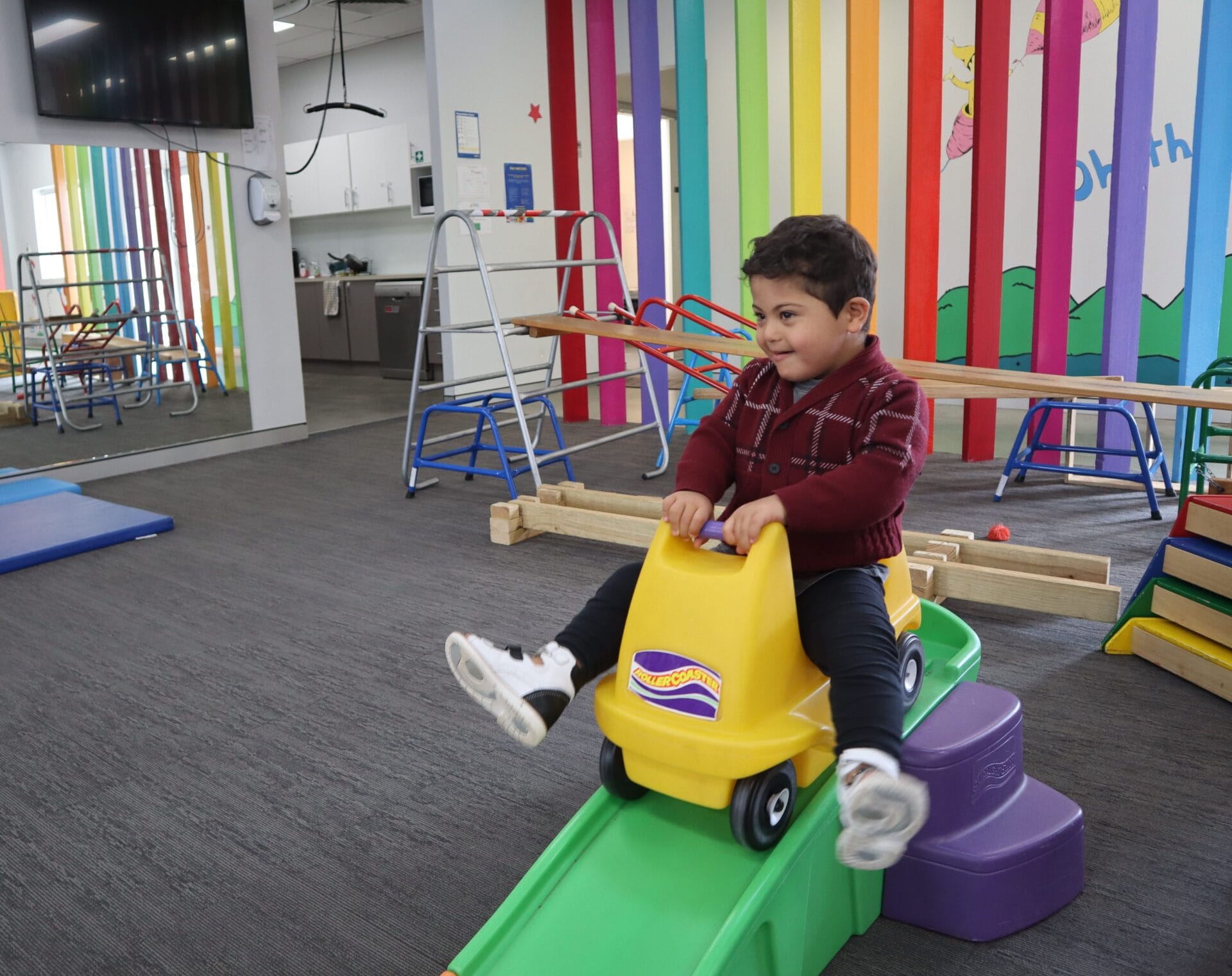
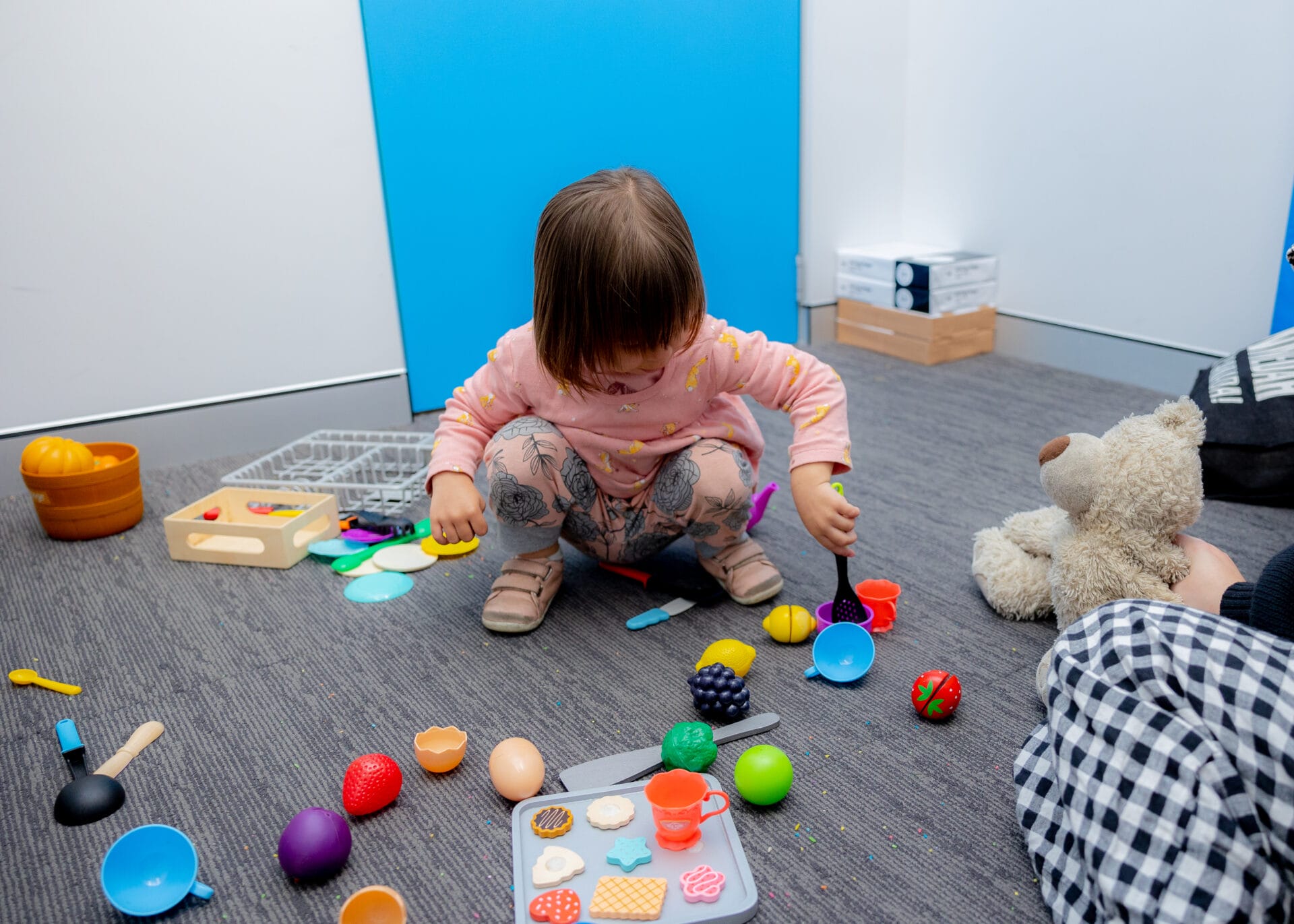
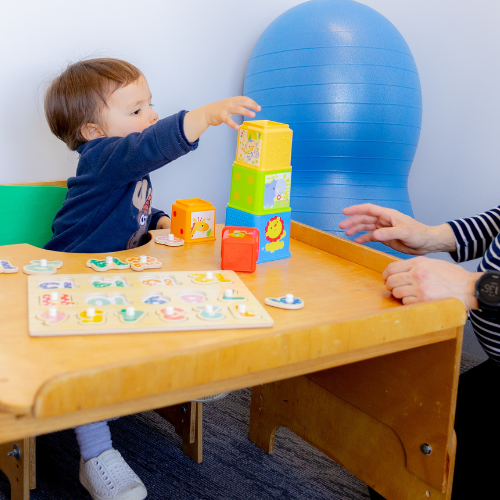
Instead of structured drills or repetition-based activities, Hanen focuses on natural, play-based interactions.
This might look like:
- Following your child’s interests during play
- Waiting and giving them time to respond
- Expanding on what your child says or does
- Turning everyday moments into opportunities for communication
For example, if a child reaches for a toy, instead of immediately handing it over, a therapist or parent might pause and model language like:
“Car? You want the car?”
This creates space for the child to engage, respond, or attempt communication.
Real-Life Example: What This Might Look Like at Home
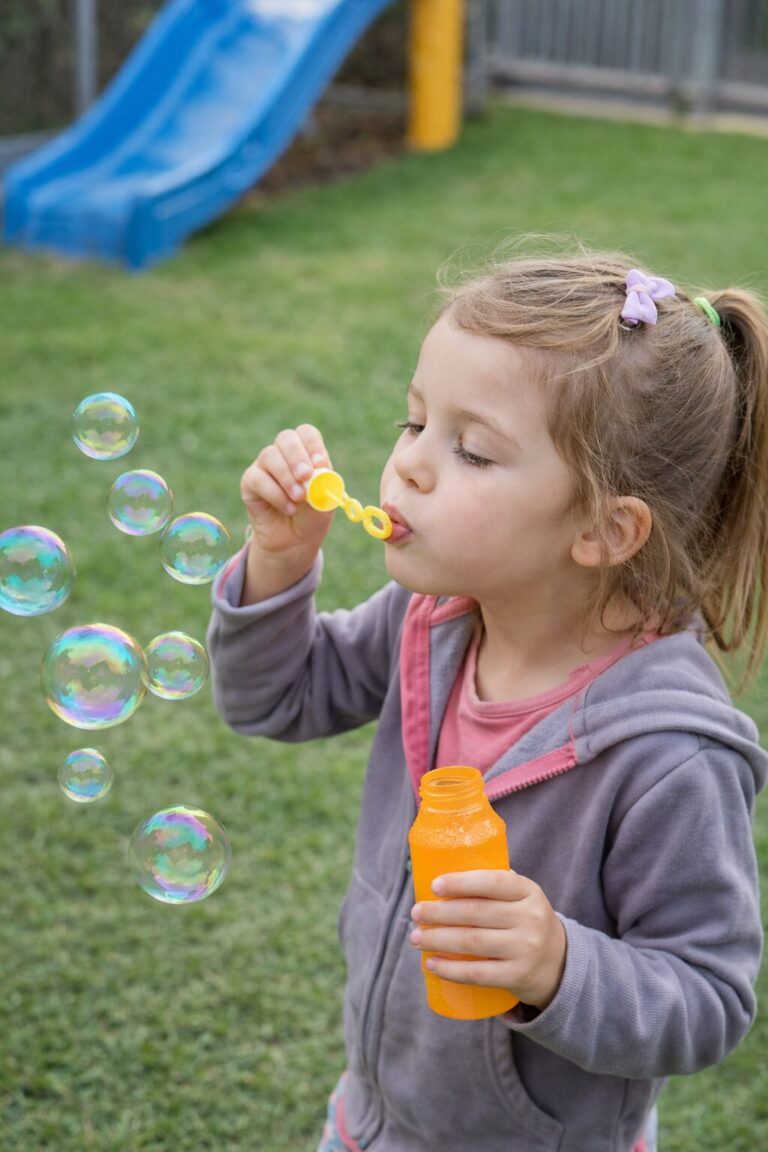
Imagine your child is playing with bubbles.
Instead of directing the play, you might:
- wait and watch what they do
- respond when they look at you
- model simple language like “more bubbles?”
- pause to give them a chance to respond
These small moments create powerful opportunities for communication.
Who is Hanen For?
Hanen is commonly used for children who may be experiencing:
- delayed speech and language development
- social communication challenges
- difficulty engaging in interactions
- early signs of communication differences
It is especially effective in early intervention, where building strong communication foundations can support later learning, relationships, and participation.
The Role of Parents and Caregivers
A key part of Hanen is actively involving parents and caregivers as part of the therapy process.
Rather than therapy being something that only happens in a session, families are supported to feel confident using strategies in their own environment.
This is important because children spend most of their time with their families, not in therapy.
By building these skills into everyday routines, children have more consistent opportunities to practise communication.
How We Use Hanen
At Therapies for Kids, our Speech Pathologists draw on a range of evidence-informed approaches, including Hanen strategies, as part of a broader naturalistic, child-led approach to language and interaction development.
We focus on:
- understanding each child’s unique communication style
- supporting families with practical, everyday strategies
- creating engaging, meaningful interactions
- building skills that transfer into real life
This approach ensures therapy is not just effective in sessions, but meaningful in everyday life.
If you’d like to learn more about how we use Hanen, learn more about Hanen and how we use it at TFK:
https://therapiesforkids.com.au/hanen-approach/
When Should You Seek Support?
It’s common for parents to wonder whether to “wait and see” or seek support.
You might consider reaching out if your child:
- is not using words or gestures to communicate
- is difficult to understand for their age
- finds it hard to follow instructions
- struggles to engage in back-and-forth interaction
Early support can make a meaningful difference in helping children build communication skills and confidence.
Final Thoughts
Hanen is not about pushing children to talk.
It is about creating the right environment for communication to grow naturally.
By focusing on connection, responsiveness, and everyday interactions, it helps children develop skills that support them not just in therapy, but in all areas of life.
Need Support?
If you’re wondering how to support your child’s communication or whether speech therapy may help, our team is here to guide you.
You can learn more about our Speech Pathology services or get in touch with our team to discuss your child’s needs.
References:
Hanen Centre. (n.d.). It Takes Two to Talk® Program. Retrieved from https://www.hanen.org
Tamis-LeMonda, C. S., Bornstein, M. H., & Baumwell, L. (2001). Maternal responsiveness and children’s achievement of language milestones. Child Development, 72(3), 748–767.
Acknowledgement:
This Blog article was developed with valuable input from our Speech Pathologist Emer. Her clinical insights in Hanen helped ensure this content reflects our everyday practice.