This is one of the most common questions we hear from parents.
Sometimes it comes from a place of curiosity. Other times, it’s a quiet feeling that something might not be quite right.
Many parents find themselves asking, does my child need therapy, especially when development feels a little uncertain.
Every child develops at their own pace, and differences are a natural part of that. At the same time, there are certain signs that may indicate your child could benefit from some additional support.
If you’ve ever wondered whether your child might need therapy, here are some general signs to look for at different stages of development.
0–2 Years: Early Development
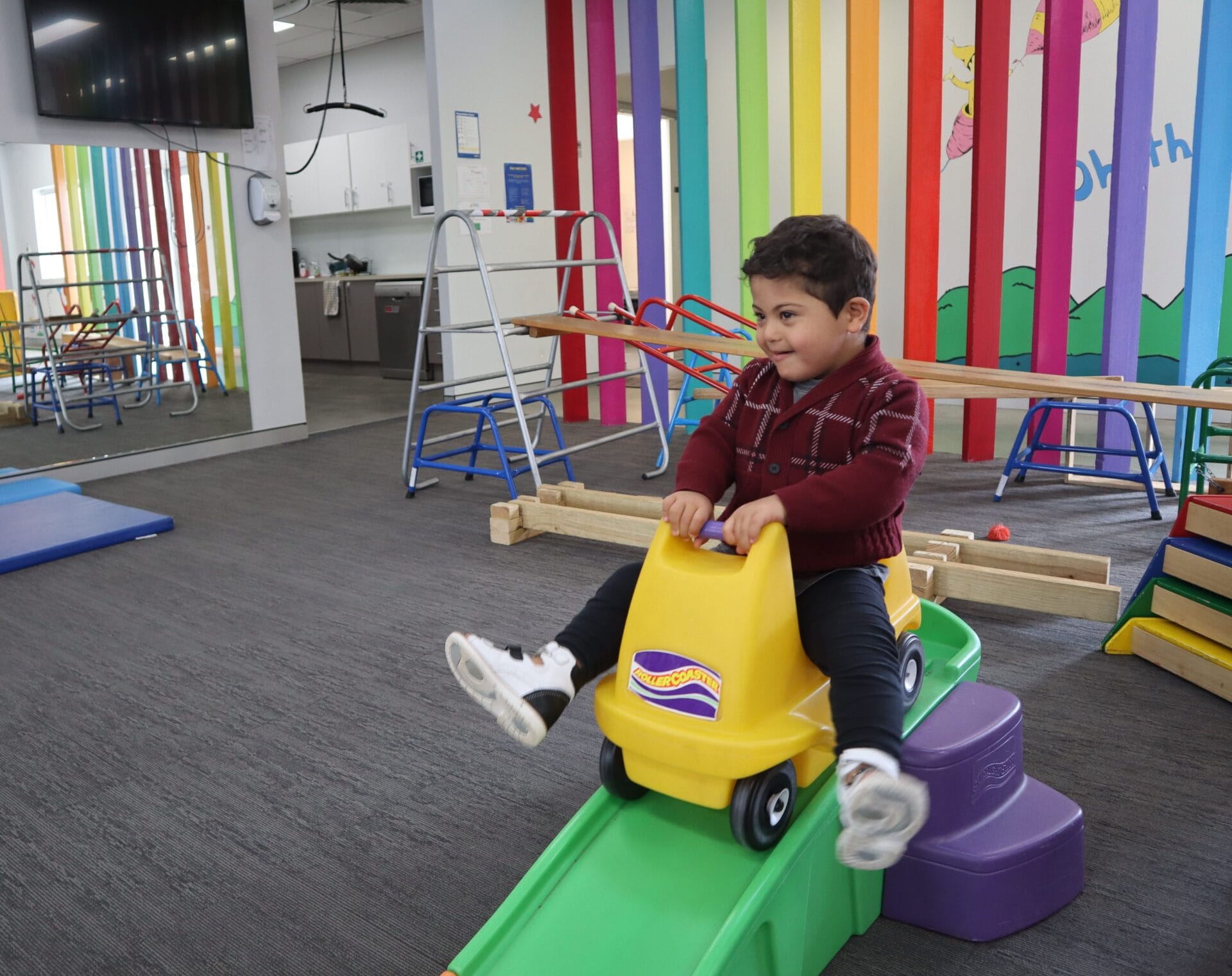
In the early years, children are building the foundations for movement, communication, joint attention and interaction.
Some children may benefit from support if you notice:
- Limited eye contact or interaction
- Not responding to their name
- Delays in babbling or first words
- Difficulties with feeding
- Delays in rolling, sitting or crawling
- Not walking by around 15 months
- Limited joint attention (e.g. not pointing, showing or sharing interest)
- Reduced interaction with others
Most children begin walking around 12–15 months, so delays beyond this may be worth exploring further.
At this stage, support is often gentle and play-based, focusing on helping your child engage, communicate and move with more confidence. Relevant supports may include Speech Pathology, Occupational Therapy and Physiotherapy.
2–4 Years: Communication, Play and Independence
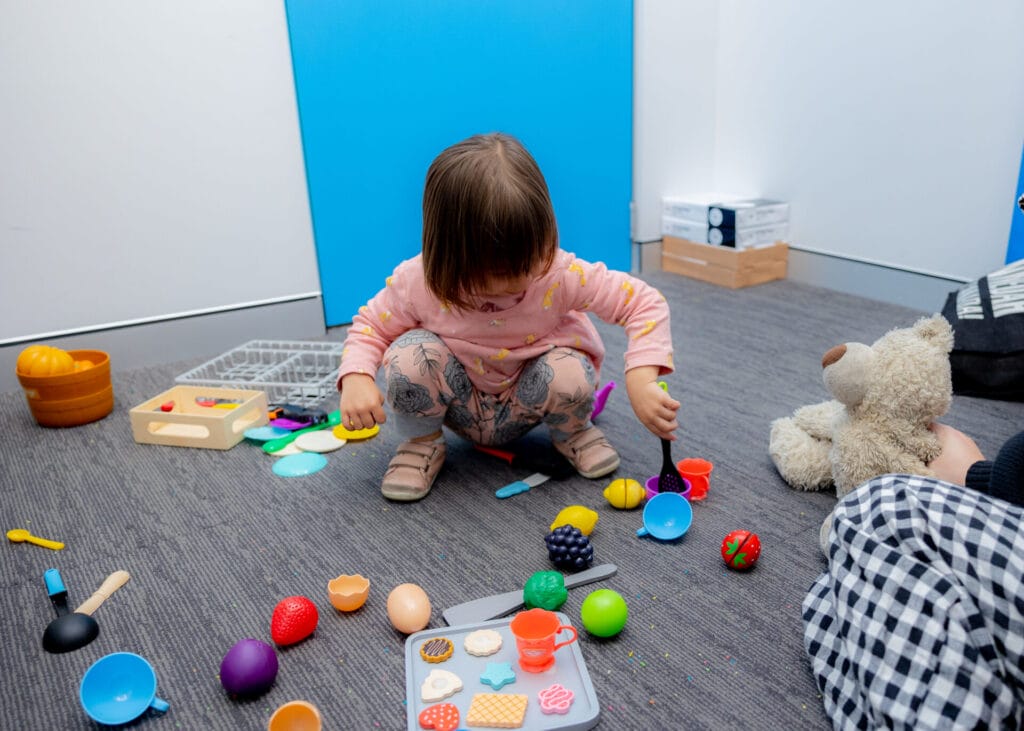
This is a time when children are learning to express themselves, interact with others and become more independent.
You might notice:
- Difficulty understanding or following instructions
- Limited vocabulary for their age
- Frustration when trying to communicate
- Difficulty playing alongside or with other children
- Challenges with everyday tasks such as using utensils, drawing or engaging with play equipment
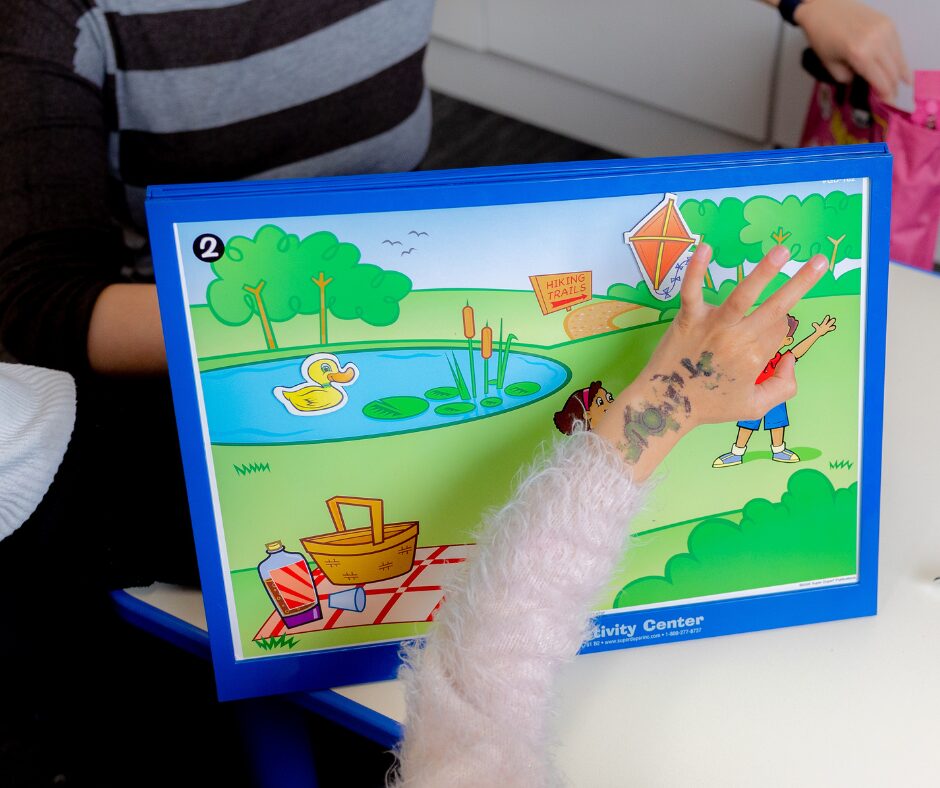
Support at this stage often focuses on communication, play skills and building independence in everyday activities.
4–6 Years: Preparing for School
As children move towards school, expectations increase across attention, communication and motor skills.
Some signs to look for include:
- Difficulty sitting, focusing or following routines
- Challenges with holding a pencil or using scissors
- Difficulty interacting with peers
- Trouble understanding or following instructions
- Seems clumsy, disorganised or avoids movement-based activities (e.g. sports, climbing at the playground)
- Reduced confidence with ball skills (throwing, catching, kicking)
- Difficulty pronouncing certain sounds
- Not able to tell a basic recount or retell a story
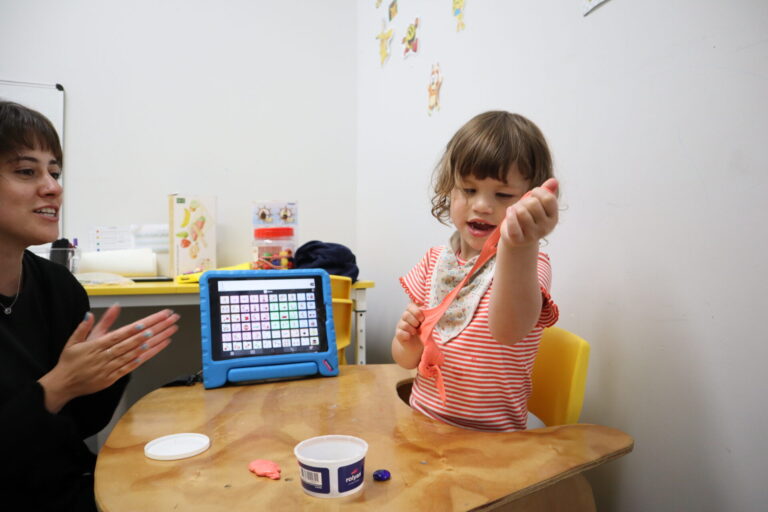
At this stage, therapy can support school readiness and help children feel more confident stepping into a classroom environment.
6+ Years: Participation, Learning and Confidence
As children grow, challenges can become more noticeable in learning, coordination and social participation.
You might notice:
- Difficulty with reading, writing, letter formation, handwriting or attention
- Challenges with coordination or physical activities
- Ongoing communication difficulties
- Avoidance of certain tasks or environments
- Difficulty managing emotions or transitions
- Difficulty participating in team sports or group activities
- Difficulty with more complex motor skills such as skipping, jumping or coordinating movements
- Difficulty learning everyday skills such as tying shoelaces, dressing or toileting independently
Support at this stage often focuses on helping children participate more confidently at school, at home and in the community. Participation in play, sport and group activities is an important part of development, and ongoing difficulty in these areas may indicate the need for additional support.
When should I seek therapy for my child?
You don’t need to wait for something to become a major concern.
Often, parents have a sense when something isn’t quite clicking for their child.
It may be helpful to seek support if:
- Skills are not progressing over time
- Your child is becoming frustrated or withdrawn
- You’ve received feedback from educators or caregivers
- You simply feel unsure and want guidance
Seeking support early doesn’t mean something is “wrong”. It simply gives your child the opportunity to build the skills they need in a supportive way.
What does therapy look like?
Therapy at Therapies for Kids is always tailored to the individual child.
Sessions may include:
- Play-based activities
- Skill development within everyday routines
- Support within real-life environments
- Guidance and coaching for parents and caregivers
We take a transdisciplinary approach, meaning our team works together across areas such as Speech Pathology, Occupational Therapy and Physiotherapy to support your child’s goals.
Learn more about our therapy services here
A final thought
Every child’s journey looks different.
Asking whether your child might need therapy is not about labelling — it’s about understanding how to best support them.
If you’re unsure, having a conversation can often be the most helpful first step.
If you’d like to learn more or speak with our team, you can get in touch here:
References and Acknowledgement
This article has been developed as part of Deb’s Blog and is informed by current best practice in child development and paediatric allied health. Guidance has been drawn from reputable sources including the Raising Children Network (Australia), The Royal Children’s Hospital Melbourne, and Speech Pathology Australia.
This piece also reflects the clinical experience and perspectives of our team.
We would like to acknowledge the valuable contributions of Jane and Allison, whose insights helped inform this article.