
An important social and language/communication milestone
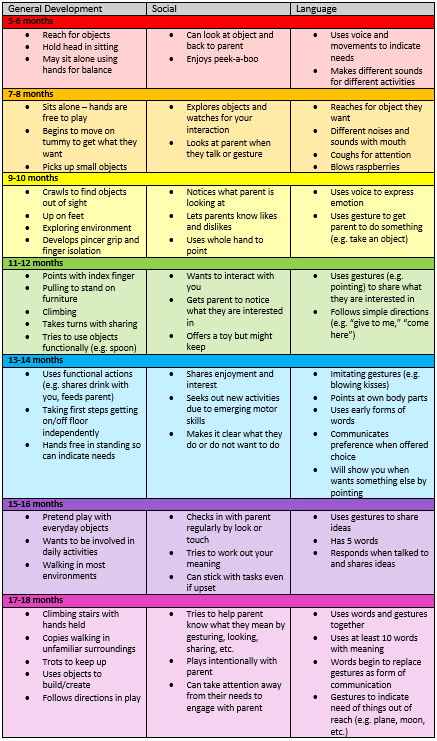
Over the past weeks I have been discussing the importance of the combination of developmental milestones. Pointing is one such example. It is a fine motor skill that is used for early social and communication interactions.
Pointing is important because:
Pointing is important as it is a way your child can communicate with you.
- It allows your baby to show you things of interest – declarative pointing.
- Your baby can point to things they want you to give them – imperative pointing.
- They can share moments with you (i.e. joint attention).
Why do children point?
Children point to communicate their interests/desires and to share information about their world.
Some examples are:
- Draw an adults attention to something (e.g. “oh no” – when something is broken).
- Share an experience – “Look at this.”
- Tell you what they need – (e.g. “Give me …”).
- Express themselves/label objects – (e.g. “This is a dog.”).
- Indicate that something is no longer there, which may mean – “Find…” or “Where is…?”

If your child is having difficulty pointing they may:
- Use a whole hand to point.
- Use their eyes to show you things of interest.
- Need to physically take you to objects.
- Not use it to communicate, only uses for what they want.
Ways to develop pointing:
- Use gestures when communicating with your baby from a young age.
- Encourage fine motor development during play (e.g. offer small objects to pick up, point finger into objects, turn on/off lights with index finger).
- Model pointing when playing with your baby. Reading books and pointing at the pictures. Point and label familiar objects.
- Bubble blowing is a great way to develop pointing.
When you should be concerned about the development and use of pointing:
Each baby’s development varies, however, you will typically see pointing develop between 10 and 15 months of age. If your baby is not able to do the following by 18 months, seek out professional help.
- Look at objects you are pointing at – nearby initially and far away by 18 months.
- Whole hand pointing (10-12 months).
- Point at objects of interest – declarative pointing.
- Pointing with index finger (12-18 months) at an item of desire – imperative pointing.
- Looks at objects that are named first and then points at them.
- Makes a choice of 2 objects.
- Gives you an object when asked.

Pointing may emerge differently in children with developmental delay due to:
- Delayed development of motor skills (e.g. sitting, eye/hand coordination, delayed hand skills).
- Difficulty imitating gestures.
- Poor vision.
- Delays in joint attention – sharing attention with others.
Keep safe, happy, and well,
Deb