
What is a sensory space?
Sensory spaces are areas to help a child regulate their emotions and behaviours – thus building their emotional and social needs in order for them to participate with their family and peers successfully.
This space is specifically designed for your child, where they can experience different sensory input in order to regulate when they are over or under stimulated, and in a fight, flight or frozen mode. They are often used for a child with sensory processing disorders, such as Autism Spectrum Disorder (ASD), or Attention Deficit Hyperactivity Disorder (ADHD) – but these spaces can benefit all children.
What are the benefits?
No matter whether your child has a diagnosis or not, all children can become overloaded at times. By recognising the triggers that may overload your child, providing a sensory space can help them cope by allowing them to self-regulate.
Research shows that sensory spaces can help reduce stress and aggression, increase focus and attention and thus support learning.
Creating a sensory space at home
These spaces will be different for everyone, so it’s best to ensure the space reflect your child’s unique needs. You will need to consider your child’s age, their sensory preferences and the space you have available.
DIY Rooms for Sensory Seekers
Sensory seekers are children who seek a high-level of sensory stimulation.
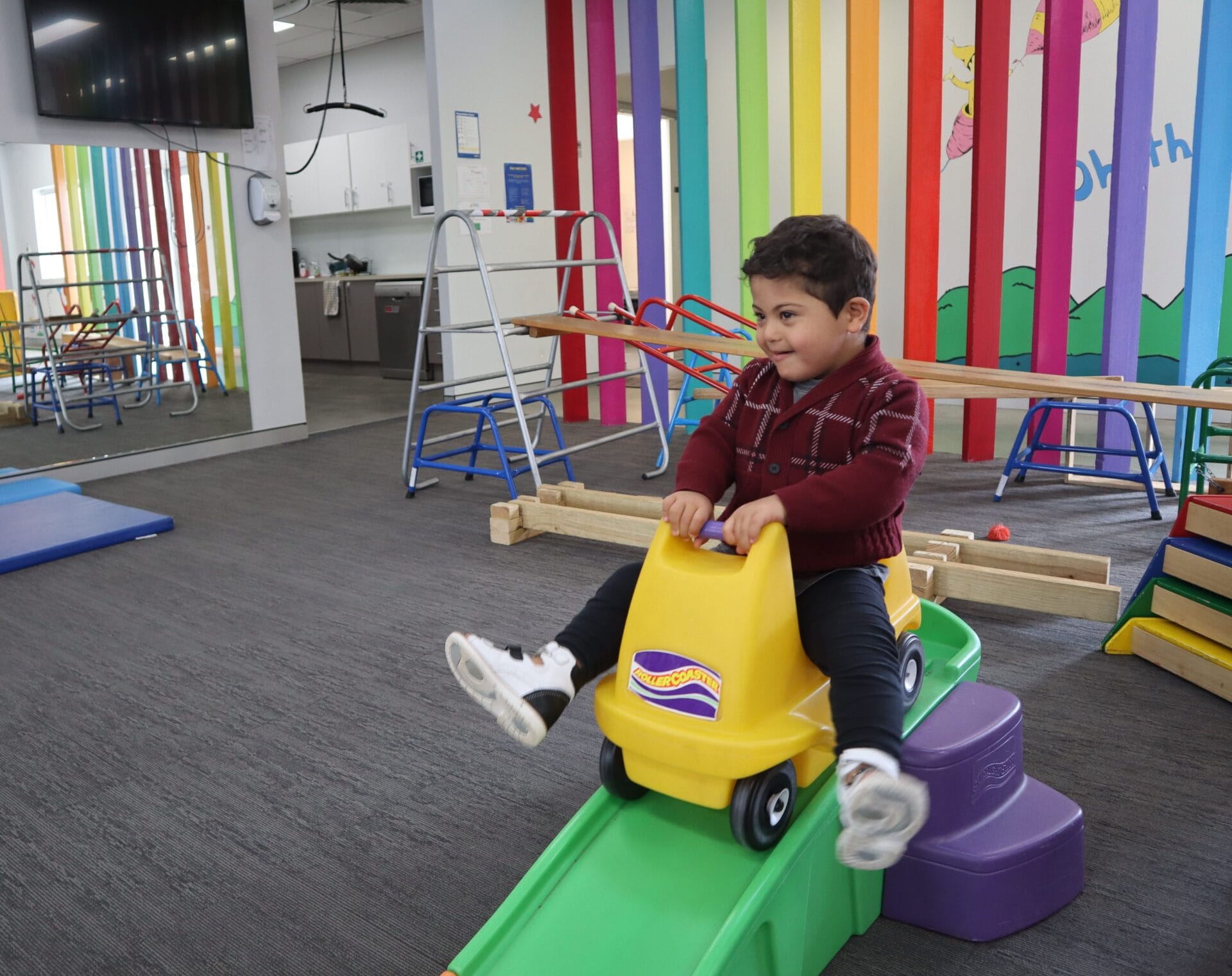
An active room, provides movement activities that can offer proprioceptive and vestibular input to help your child regulate their nervous system.
Ideas for active sensory spaces include:
- Spinning chairs
- Wobble boards
- Tunnels
- Parachute
- Rock walls
- Monkey bars
- Ball pit
Make sure the area is physically safe by adding cushions and crash mats – this provides a safe and fun element for your child.
DIY Rooms for Sensory Seekers
Sensory avoiders are children who attempt to avoid or limit exposure to sensory input. They can become overwhelmed easily and may have lower tolerance to pain or discomfort.
A calming room may provide a break from sensory stimulation.
Ideas for calming sensory spaces include:
- Bean bags/chairs
- Swings/hammocks
- Headphones
- Soft lighting/bubble lamps
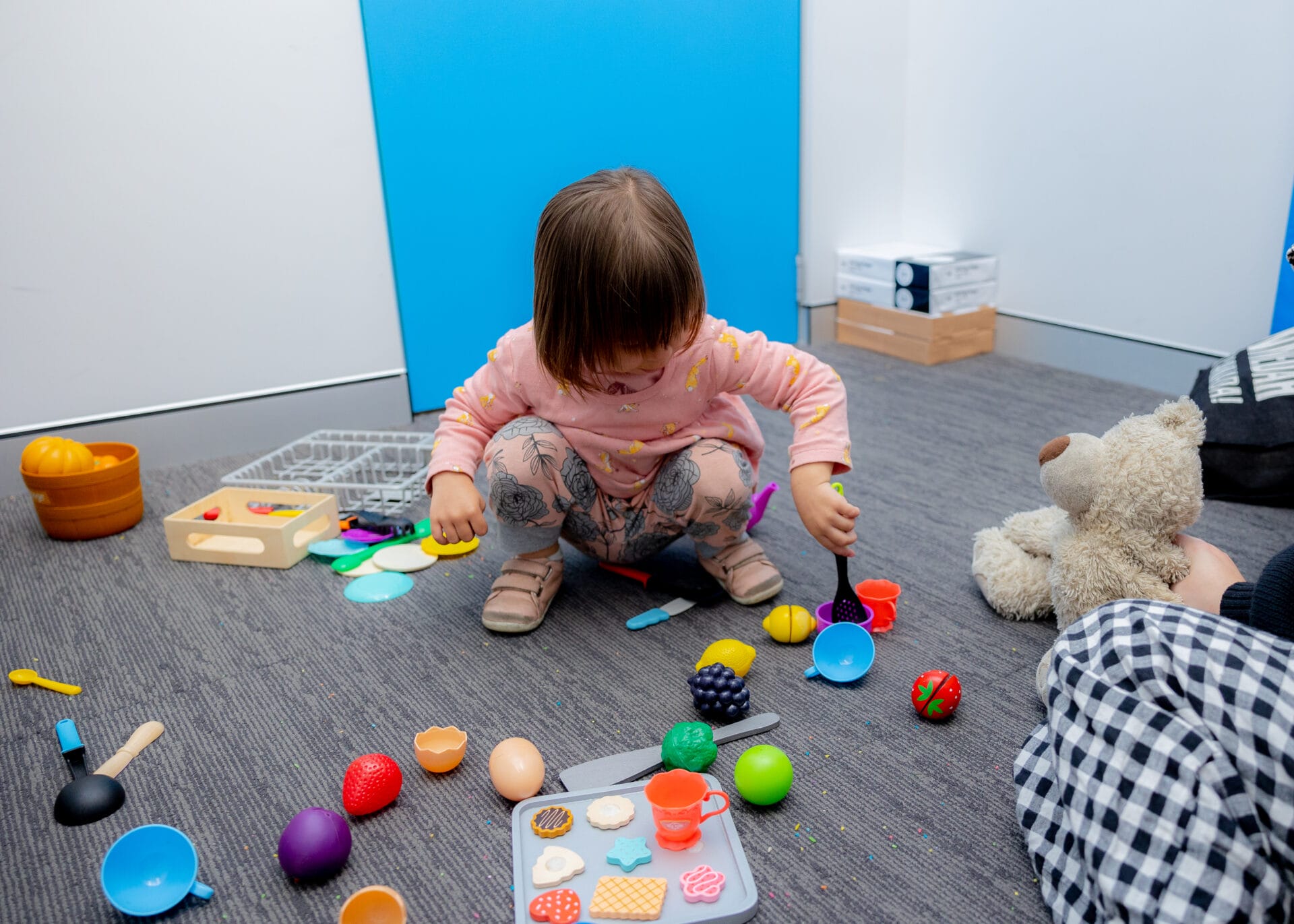
- Sensory bins
- Ball pits
Combination Rooms
Sometimes your child has a range of sensory needs – by providing a mix of both calming and active activities, your child can have the freedom to explore and figure out which input is best for them to self regulate.
Considerations for a sensory space at home:
It may not be feasible to have an entire sensory room in your home, therapy area or classroom. Creating even a small area or a mobile space can help your child regulate, resulting in a positive outcome.
Ideas for a sensory space at home include:
- Bean bag chair
- Weighted blankets/toys
- Exercise ball/space hopper/rocking horse
- Tactile toys/boxes
It’s important to remember that your child’s needs may change overtime, and therefore the sensory space can evolve to meet your child’s needs at a specific time.
Talk to your therapist!
At Therapies for Kids we recognise that sensory spaces and equipment benefit people of all ages. We all need help to regulate and calm our nervous system – whether at home, school, at the office or therapy appointments. We have dedicated sensory rooms in our clinics, fitted with the latest sensory equipment, so that we can assist your child to focus, regulate and participate in their session.
Our purpose as therapists is to individualise the sensory experiences of each child to help them reach their potential.
No two therapy approaches are the same at TFK as we recognise each child’s individual and specific needs. We work closely with you to provide a program that meets your family and child’s specific needs.
Best Wishes,
Deb