Why Real-Life Experiences Matter for Development
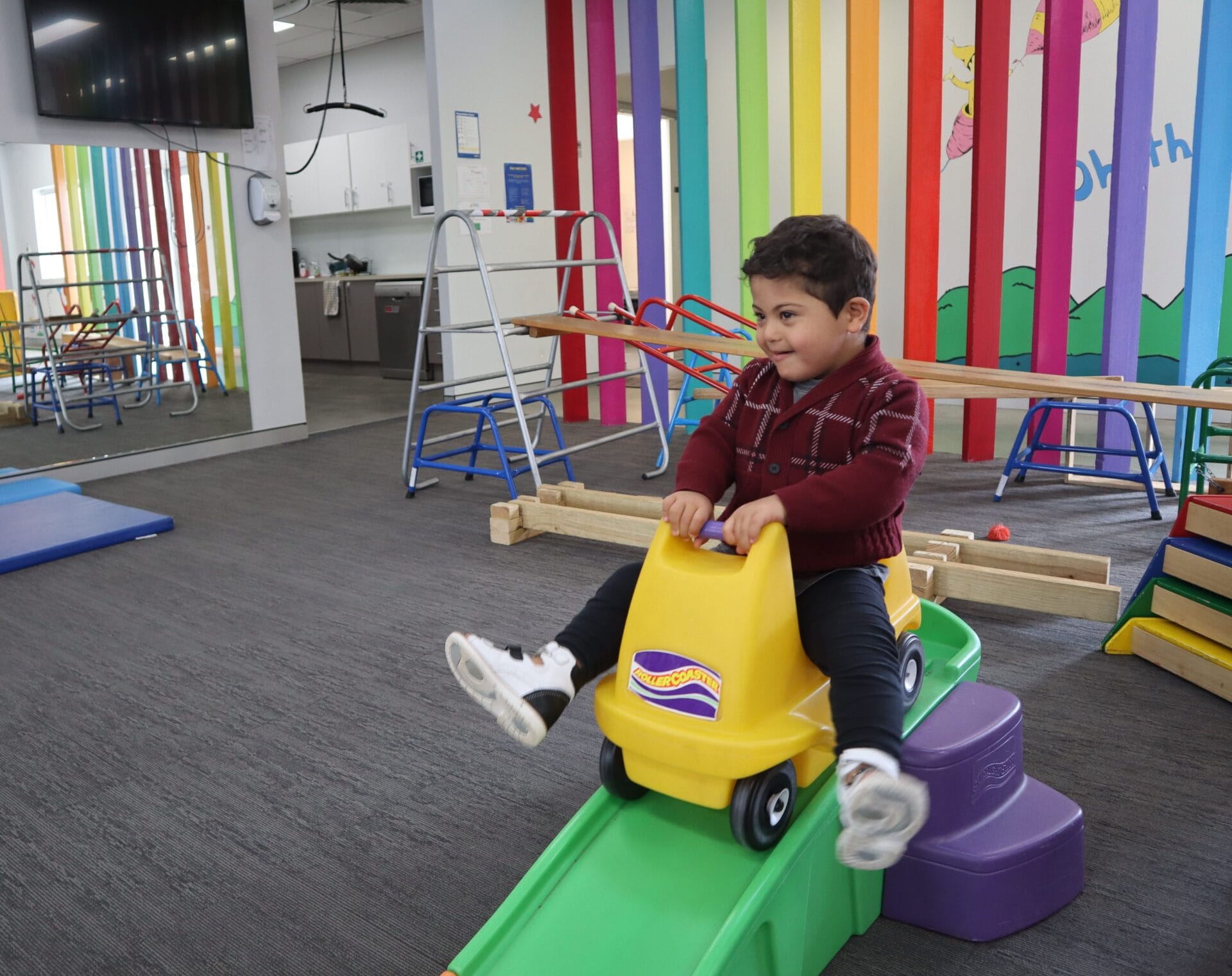
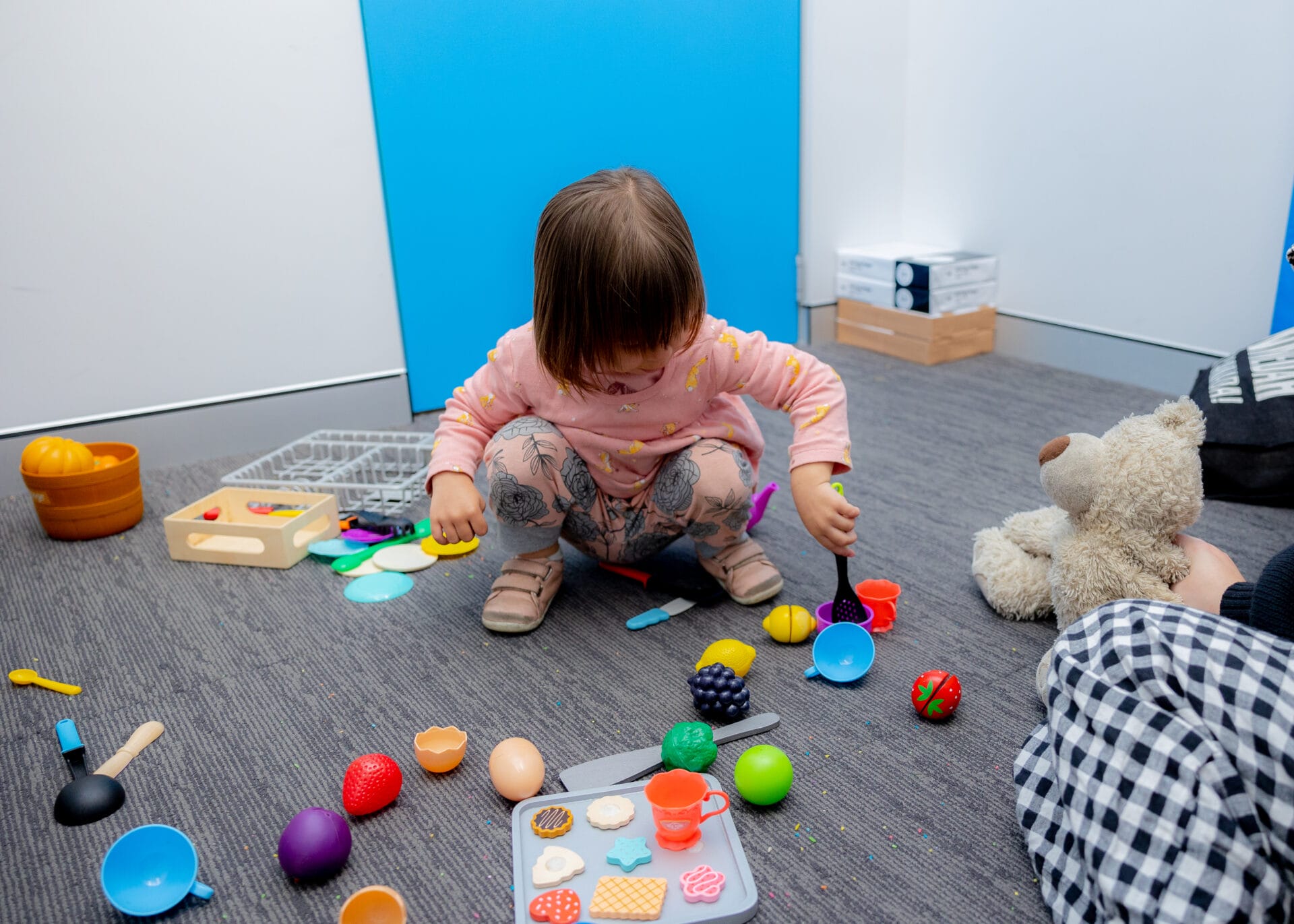
At Therapies for Kids, we believe therapy should support children and young people where life actually happens — at home, at school, in the community, and within everyday routines.
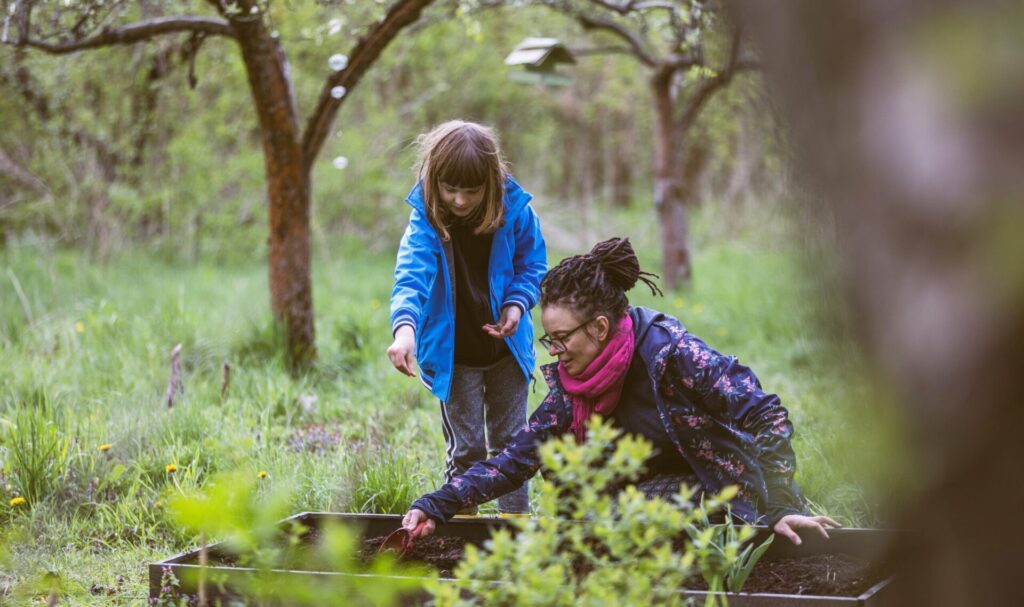
For children and adolescents, learning does not sit neatly inside a therapy room. It happens while lining up at the playground, ordering food at a café, participating in class, navigating friendships, or managing transitions in busy environments.
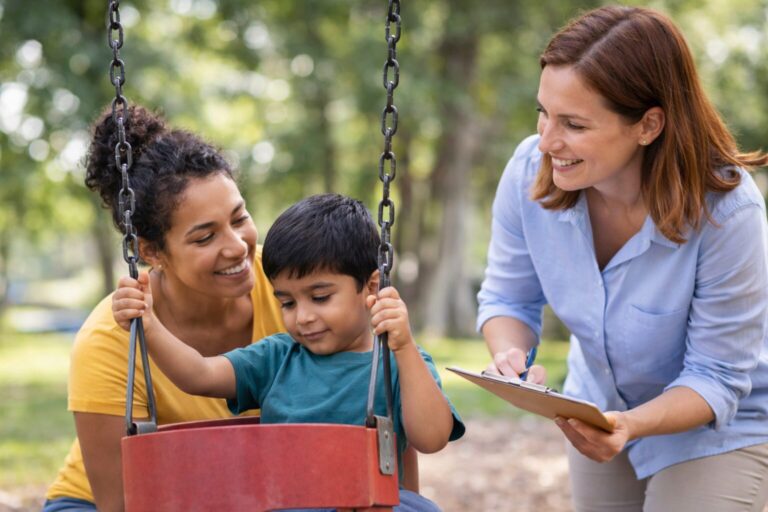
This is where a community engagement approach plays a powerful role — supporting children to actively participate, build confidence, and develop skills that matter in real life.

What Do We Mean by a Community Engagement Approach?
Community engagement refers to purposeful, supported participation in everyday environments that are already part of a child or young person’s life.
Rather than focusing on exposure alone, a community engagement approach supports children to:
-
Communicate within real social situations
-
Regulate emotions in everyday settings
-
Navigate routines, transitions, and expectations
-
Participate alongside peers and family
Importantly, this approach recognises that children already belong in their communities. Therapy is not about giving access — it is about supporting meaningful participation within those environments.
Why Community Engagement Is So Important
Early childhood is a critical period for development, but the skills children build during this time form the foundation for learning, independence, and wellbeing well into adolescence.
When therapy is delivered through community engagement, children and young people are supported to:
-
Practise skills in real, meaningful contexts
-
Generalise skills beyond the therapy room
-
Build confidence and independence
-
Strengthen social communication and relationships
-
Develop emotional regulation in everyday situations
-
Participate more fully alongside peers
Community engagement is often the culmination of skills developed through therapeutic and educational settings, allowing those skills to be used where they matter most.

Community Engagement and the NDIS
Under the NDIS, community participation and functional capacity building are key outcomes for children and young people.
A community engagement approach aligns strongly with:
Capacity Building Supports
Participation-based goals
Functional skill development
Early Childhood Early Intervention (ECEI) principles
At Therapies for Kids, community engagement is clearly linked to NDIS goals and delivered within appropriate funding guidelines. Therapy is purposeful, documented, and focused on outcomes that are meaningful for children, families, and support networks.
How Community Engagement Works at Therapies for Kids
Our approach to community engagement is child-centred, family-informed, and clinically guided.
Therapy may involve:
-
Supporting communication and social interaction in real-world settings
-
Developing emotional regulation strategies within everyday environments
-
Building independence and daily living skills
-
Practising transitions and routines
-
Supporting confidence and participation alongside peers
-
Collaborating with families, educators, and support professionals
Each child’s support is tailored to their goals, needs, and developmental stage. There is no one-size-fits-all approach.
A Transdisciplinary Approach to Community Engagement
Therapies for Kids works within a transdisciplinary model, where therapists collaborate closely across disciplines to support the whole child in meaningful, real-world environments.
For children eligible for Early Childhood Early Intervention (ECEI), this approach is often delivered through a Key Worker model for children under 9 years of age. In this model, one primary therapist acts as the main point of contact for the family, while drawing on the expertise of the wider therapy team as needed.
This allows for:
• Shared planning across occupational therapy, speech pathology, physiotherapy, and exercise physiology
• Consistent strategies across home, early learning, and community environments
• Clear communication between therapists, families, and educators
• Coordinated goal setting, review, and adjustment over time
Rather than focusing on one area of development in isolation, this approach recognises that communication, regulation, movement, and participation are deeply connected, and that supporting children within their everyday routines leads to more meaningful and sustainable outcomes.
Partnering With Families
Families play a central role in every child’s therapy journey.
Community engagement works best when families are supported to:
-
Understand and collaborate on their child’s goals
-
Use strategies at home and in the community
-
Feel confident supporting participation in everyday settings
Our therapists work alongside families to ensure strategies are practical, achievable, and meaningful within daily routines.
Supporting Confidence, Not Just Skills
Community engagement is not only about skill development. It is about confidence, identity, and belonging.
When children and young people feel supported to participate in their world, they develop:
-
A sense of independence
-
Confidence in new situations
-
Positive relationships
-
Strong foundations for future learning
These experiences shape how children see themselves and how they engage with the world around them.
Community Engagement Across Childhood and Adolescence
At Therapies for Kids, community engagement is thoughtfully integrated into therapy across early childhood, primary years, and adolescence.
While early intervention lays the groundwork, these principles continue to support children and young people as their environments, expectations, and social worlds grow and change.
Our goal is simple yet powerful:
To support children and adolescents to build the skills, confidence, and independence they need to thrive — not just in therapy, but in life.
Warm Regards,
Deb.