
Parenting a child with challenging behaviours can sometimes feel like an endless cycle of reacting, correcting, and trying to keep things under control. The words we so often hear are “behaviour management,” as if our children are projects to control or problems to solve.
But what if we looked at things differently? What if we believed behaviour wasn’t something to manage, but something to understand? What if our role as parents, therapists, or teachers was not to “keep a lid on things,” but to support our children to grow, learn new skills, and feel safe in their world?
At Therapies for Kids, we believe that changing the story around behaviour is one of the most powerful steps a parent can take. When we shift from managing to supporting, we open the door to connection, confidence, and positive change.
Why the Old “Managing Behaviour” Story Doesn’t Work
When we talk about managing behaviour, the focus tends to be on control: stopping the tantrum, preventing the outburst, and making sure things don’t spiral. This might work in the short term, but it doesn’t get to the heart of why the behaviour is happening in the first place.
Children don’t misbehave to make life difficult. Behaviour is always communication. A meltdown at the shops might be saying, “I’m overwhelmed.” Refusing to get ready for school might be saying, “I’m anxious.” Grabbing a toy from a sibling might be saying, “I don’t yet have the skills to wait or negotiate.”
When we see behaviour as a message rather than a problem, we can start to respond in ways that support our children to learn and grow, rather than just trying to stop the behaviour.
What’s Really Happening under the Behaviour
Challenging behaviours are often a signal of something deeper:
- Unmet needs — hunger, tiredness, or the need for attention and connection.
- Sensory overload — too much noise, bright lights, or an environment that feels overwhelming.
- Communication difficulties — when a child can’t find the words to express themselves.
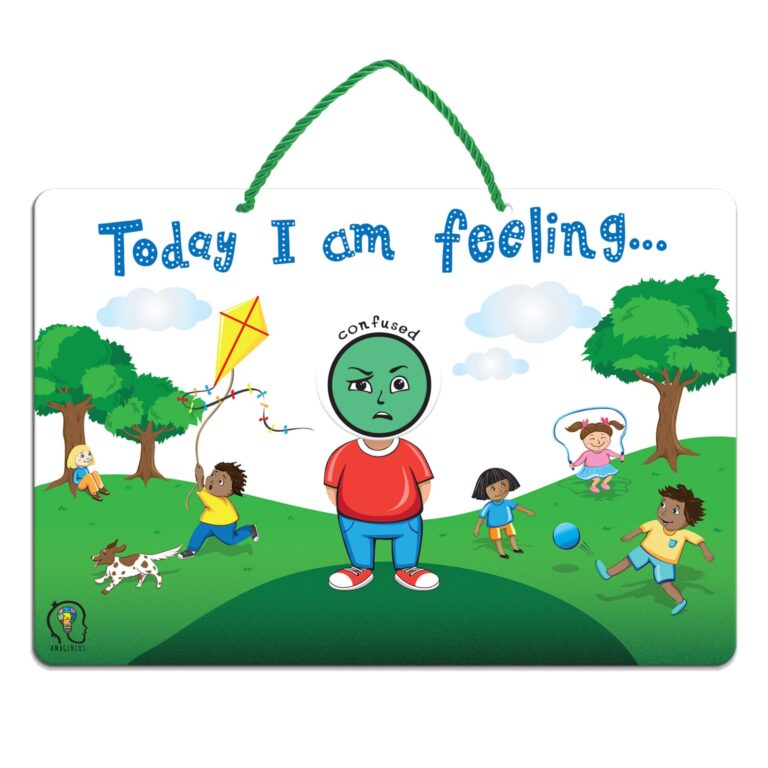
- Emotional regulation challenges — when feelings get too big for a child to handle on their own.
Every behaviour tells a story. When we pause to ask, “What is my child trying to tell me?” we move from frustration to curiosity, and from punishment to problem-solving.
Shifting the Lens: From Managing to Supporting
Here’s a simple way to think about the difference:
- Managing is reactive: “How do I stop this behaviour right now?”
- Supporting is proactive: “How do I help my child build the skills to cope better next time?”
Supporting doesn’t mean letting go of boundaries or expectations. It means creating an environment where children can practice new skills, learn other ways to communicate, and feel safe enough to try again. It’s about guiding rather than controlling, teaching rather than telling connecting rather than clashing.
Practical Strategies for Parents
At Home
- Predictability matters: Create simple routines for mornings and bedtimes to reduce stress. This allows your child to know what is coming next and be prepared.
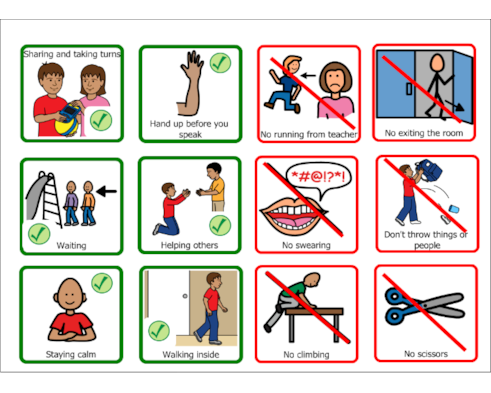
- Visual supports: Use charts, checklists, or pictures to make expectations clear.
- Model calm: Show your child how you calm yourself down — deep breaths, counting to ten, using a quiet voice, be protected in an imaginary bubble
In Public
- Prepare together: Talk through what to expect before you leave the house.
- Have an exit plan: If things become overwhelming, step outside or find a quiet space.
- Praise effort: Acknowledge even small attempts to cope (“I noticed you took a big breath when you were upset — that was amazing”).
With Siblings or Friends
- Teach turn-taking: Use timers or games to practice waiting.
- Validate feelings: Let your child know its okay to feel upset when things don’t go their way. Big feels are okay its how we react to them is important for both your child and you.
- Role play: Practice tricky social situations with toys, puppets, or stories.
During a Meltdown
- Stay calm: Your calm presence is the anchor your child needs.
- Validate first: “I can see you’re really upset. I’m here.”
- Waiting quietly with your child until the storm of emotions have eased
- Reduce stimulation: Move to a quieter space, dim the lights, or reduce noise if possible.
- Offer choices: When your child is ready, give them simple options to regain a sense of control (“Do you want a cuddle or some space?”)
Building Resilience Over Time
- Celebrate effort: Notice when your child is trying, not just when they succeed.
- Practice small steps: Break big challenges into manageable parts.
- Create positive moments: Every day, find something fun, playful, or connecting to do together.
- Gentle moments of connection: Aim for five positive moments for every negative one — a smile, a kind word, or a gentle touch can make a big difference.
Growing Your Own Skills as a Parent
Supporting a child with challenging behaviours isn’t just about the child, it’s also about us as parents. The story we tell ourselves matters.
Instead of thinking, “My child is out of control,” try reframing it as, “My child is struggling and I can help them through it.”
Instead of asking, “How do I make this stop?” ask, “What skills does my child need, and how can I help them learn?”
And just as children need practice, so do parents. Each day is a chance to try something new, reflect on what worked (and what didn’t), and remind yourself that progress takes time.
The Positive Narrative
When we change the story from “managing” behaviour to “supporting” growth, something shifts. Parents feel less like police officers and more like coaches. Children feel less like problems and more like people. Families move from power struggles to partnerships.
It doesn’t mean the road is easy, or that meltdowns magically disappear. But it does mean you can walk that road with hope, tools, and connection.
At Therapies for Kids, we see every day how children can thrive when parents and therapists work together to support their growth. With the right strategies, encouragement, and perspective, significant change is not only possible, it’s likely.

A Gentle Call to Action
This week, think of one scenario where you usually feel the need to “manage” your child’s behaviour. Instead of focusing on control, pause and ask yourself:
- What is my child communicating?
- What skill are they missing?
- How can I support them to grow in this moment?
Every small shift adds up. And with time, you’ll notice the story changing for you, for your child, and for your family.
If you’d like more support, guidance, or ideas tailored to your child, the team at Therapies for Kids is here to help. Together, we can move beyond managing behaviour and build a positive narrative where children are understood, empowered, and celebrated.
Our Therapies for Kids team is here to help. Whether you’re looking for speech therapy, occupational therapy, physiotherapy, exercise physiology or other paediatric services, we can work together to support your child’s growth and confidence.
Warm Regards,
Debra Evans