paediatric therapy

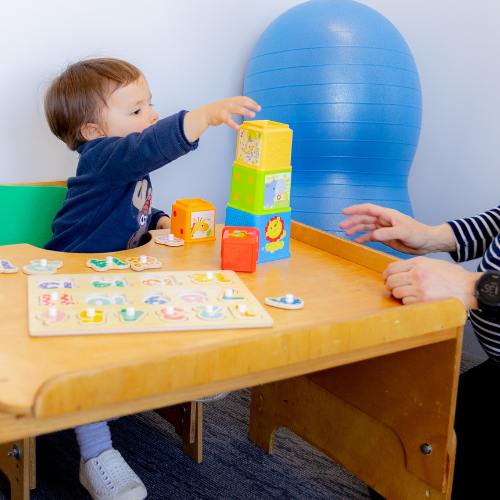
A toddler stacks colorful toy blocks at a wooden play table while an adult supervises.

Early Signs of Speech and Language Delay:

Wondering if your child’s speech and language development is on track? Here are some evidence-informed points to help you notice early signs and know what to do next. It’s one of the most common questions we hear from parents: “Is my child talking as much as they should be by now?” Maybe your child isn’t talking as much as their cousin did at the same age. Maybe a teacher mentioned something in passing. Or maybe it’s just a quiet feeling that something isn’t quite clicking yet. If you’re reading this at the end of a long day, here’s the short version: noticing early is a good thing. It’s not necessarily a sign you’ve done anything wrong — it’s the first step to understanding where your child’s speech is at, and getting the right support if it’s needed.
Young woman confidently serving coffee at her workplace

Speech Pathology for Young Adults: Small Steps, Real Confidence

From preparing meals to succeeding at work, discover how speech pathology helps young adults develop the skills and confidence to thrive in everyday life.
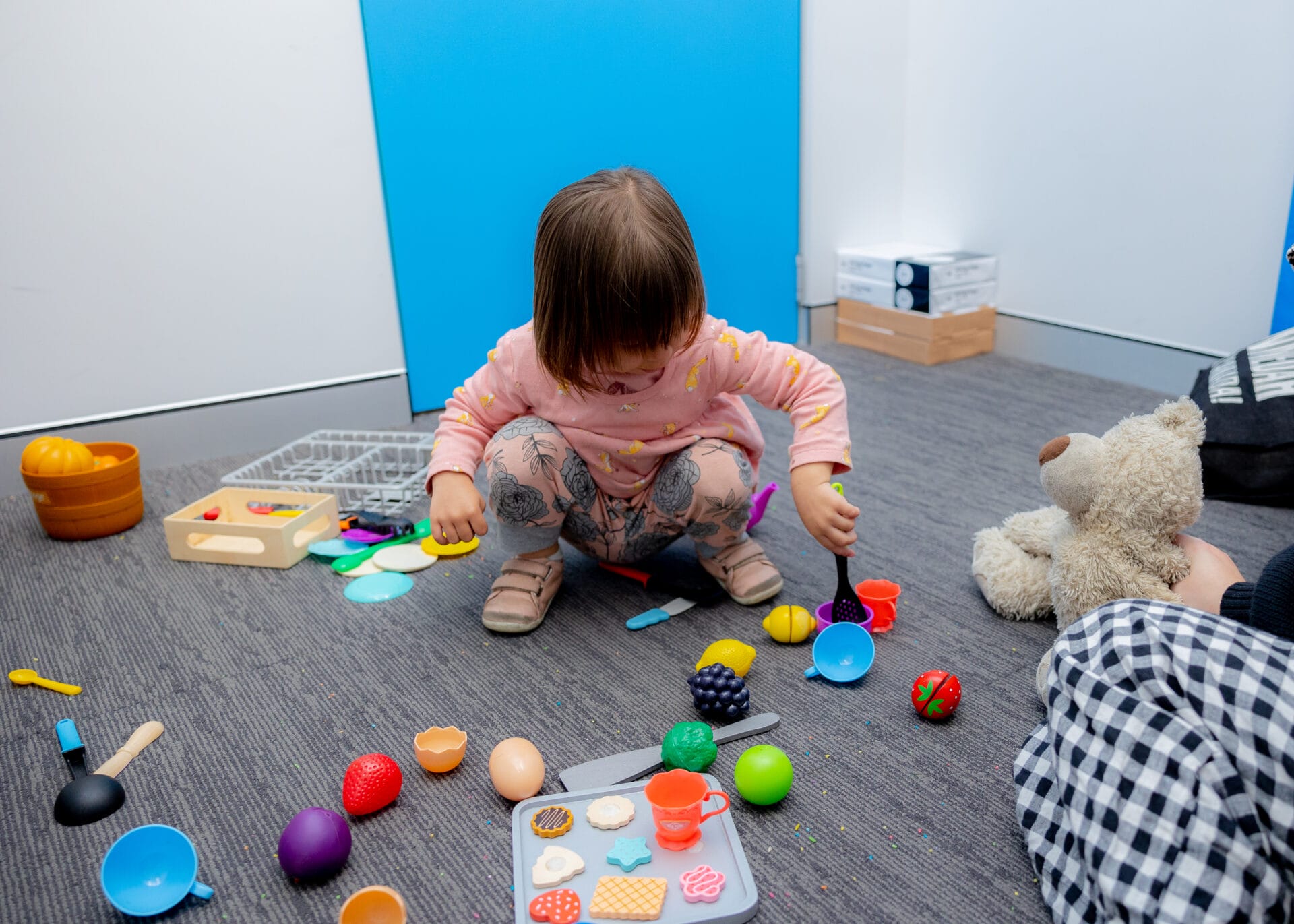
A toddler squats on the floor playing with colorful toy food, cups, and plates next to a plush teddy bear.

Does my child need therapy? Signs to look for at each age

Not sure if your child needs therapy? This guide breaks down the signs to look for at each stage of development and when it may be helpful to seek support. If your child is already receiving therapy, you may recognise some of these stages and how their skills are developing over time.
Search

Please type in your search query below: