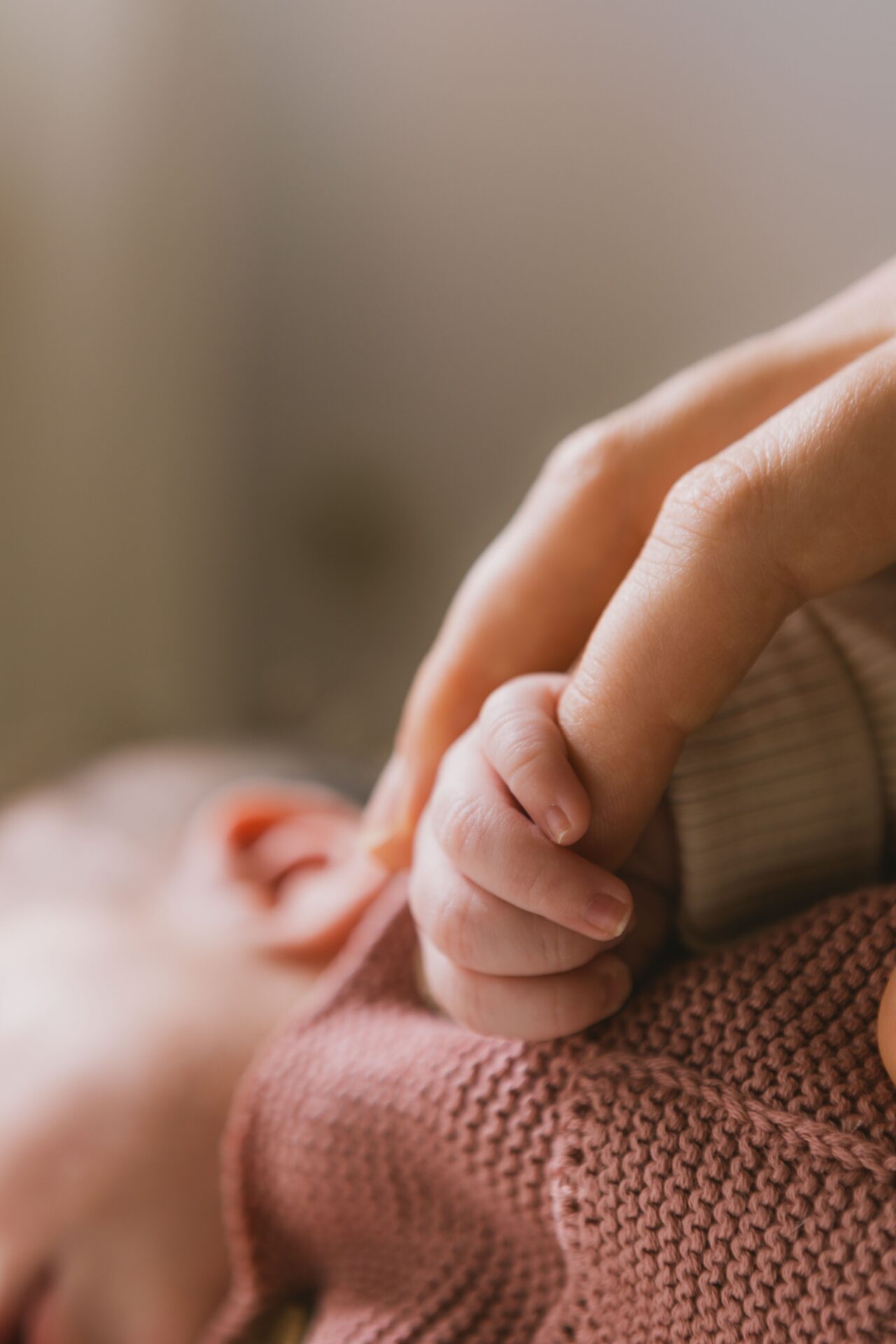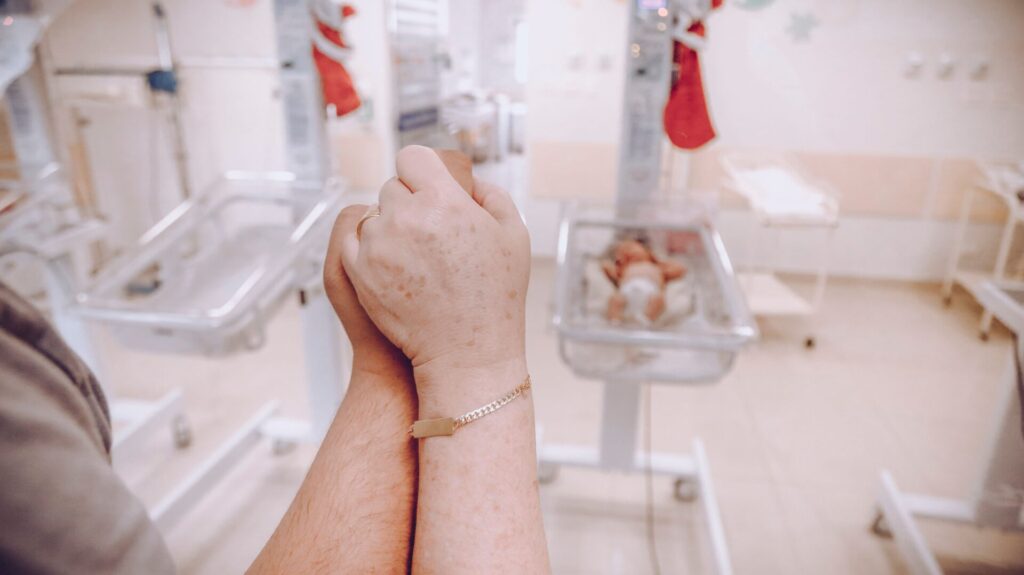
Here’s something I hope will give parents hope. Researchers at the Royal Women’s Hospital in Melbourne found that if a baby born at 23 weeks gets through their first week without major complications, their chance of surviving without a major disability rises from 32% to 50%. Every day really does count.
Having started my career in neonatal intensive care, I’ve seen first-hand how far care for very early babies has come. These little ones often have a longer road, but with today’s advances and the right support, so many go on to thrive. This blog touches on some tougher topics, so please read at your own pace, and reach out if you need us.
Why Are Some Babies Born Early?
Premature birth can happen for many different reasons. Sometimes labour starts early on its own. Other times, doctors decide it’s safer for mum or baby to deliver early. And in about half of cases where labour starts early, no clear cause is ever found. So if you’re wondering whether it was something you did, please be gentle with yourself.
| Reason | Examples |
|---|---|
| Infection | Infection in the womb or waters, or a urinary tract infection |
| Waters breaking early | Waters breaking before labour starts, which can also lead to infection |
| More than one baby | Twins, triplets or more |
| Mum's health | High blood pressure or pre-eclampsia, diabetes, thyroid conditions |
| Baby's health | A baby who isn't growing well in the womb, or some conditions present from birth |
| The placenta, womb or cervix | Bleeding, placental problems, or the cervix opening too early |
| Previous early birth | Having had a premature baby before |
| Lifestyle and stress | Smoking, or high levels of stress during pregnancy |
How Much NICU Care Has Changed
After I graduated, I spent a couple of years working in neonatal intensive care, including in Darwin. It was challenging work, but it was such a privilege to be part of those families’ journeys and to see so many wonderful outcomes.
NICU care has changed enormously since then, and the results show it. An Australian study that has followed extremely premature babies for 25 years found that 42% of babies born in 1991 to 1992 grew up without a major disability. For babies born in 2016 to 2017, this rose to 62%.
Some of the changes that have made a difference:
- Steroids before birth. Mums at risk of an early birth are now more often given steroids, which help the baby’s lungs develop more quickly.
- Gentler breathing support. Many babies now need less time on a ventilator, thanks to treatments that help their lungs work and gentler ways of giving oxygen.
- Caffeine. Caffeine given to very premature babies in their first weeks helps their breathing, and the benefit can still be seen at age 11.
- Skin-to-skin cuddles. Parents can now hold their babies skin-to-skin (sometimes called kangaroo care) much sooner, which helps both baby and parent.
- Positioning and nesting. Babies are often nursed on their tummies, curled and supported in “nests” that mimic the womb.
- Family-centred care. Parents are now part of the team, rather than visitors.
How Can Being Born Very Early Affect Development?
A very premature baby’s brain is still growing rapidly, which makes it more fragile. The two most common types of brain injury in these babies are:
- Bleeding in the brain. Small bleeds into the fluid-filled spaces of the brain are fairly common, especially in the tiniest babies. Most small bleeds cause no lasting problems.
- Injury to the white matter. The white matter carries messages around the brain. When it’s injured, it can affect movement, learning and attention.
The cerebellum, the part of the brain that helps with balance and coordination, can also be affected in babies born extremely early.
These injuries are the main reason very premature babies have a higher chance of cerebral palsy. Other areas that can be affected include vision, hearing, speech and language, attention and learning. Thankfully, with careful monitoring and treatment, serious vision loss is now much less common than it used to be.
Follow-Up After NICU
Many hospitals with a NICU now run developmental follow-up clinics. At RPA in Sydney, for example, babies born before 30 weeks are checked regularly until they start school, with further checks later on.
These programs have taught us a lot. Even children who seem to have caught up with only mild delays can find some things harder once they start school. Maths is often the area that stands out. So a gentle eye on development needs to continue beyond the baby years.
What We Often See in the First Two Years
Every baby born very early is different, but there are some things we commonly see in the first year or two.
- Feeding. Many very premature babies take a while to coordinate sucking, swallowing and breathing. Feeds can be slow and tiring, and some babies go home still learning.
- Bonding. In the past, long separations in NICU could make bonding harder. Today, with skin-to-skin cuddles and parents being so involved in their baby’s care, this is much less of a concern.
- Sensory. NICU is a very different world from the womb, with bright lights, beeping machines and lots of medical handling. Some babies find touch, sounds or movement harder to cope with, while others need more input to stay alert.
- Movement. In the last weeks of pregnancy, babies are curled up snugly in the womb, pushing against its walls and building strength. Babies born very early miss out on this. They can be a little floppier or arch backwards more, and may need extra help to build strength through their tummy, neck and shoulders.
Some conditions, such as autism, hearing loss and epilepsy, are also a little more common in babies born very early, especially the very smallest babies. That’s one of the reasons follow-up is so important.
But here’s the other side of the story. In a large US study of children born before 28 weeks, three quarters had normal intelligence at age 10, and nearly 70% had no neurodevelopmental impairment at all.
How Can Therapies for Kids Help?
How we help depends on your baby and your family. Some babies come to us just a little behind their peers and need a bit of a boost. Others have a diagnosis, such as cerebral palsy, and need more ongoing support.
Whatever the situation, it always starts with getting to know you and your baby. We build a relationship with your family first, so we can see your child as an individual. Then we set goals together around what your child and your family need. Our physiotherapists, occupational therapists, speech pathologists and exercise physiologists work as a team, so your child gets joined-up support rather than lots of separate appointments.
A Little Help Goes a Long Way
Early support doesn’t have to mean lots of therapy. Sometimes it’s just a few coaching sessions to give you ideas and confidence. Or it could be joining a baby group run by a therapist, where you can meet other parents who understand what you’ve been through. A little help early on can make a big difference.
If you’re worried, though, don’t wait. Ask for more advice.
What Can I Do at Home?
Most of what helps is everyday play and care, the same as for any baby. But babies born very early have missed out on some experiences, so they often benefit from a little extra.
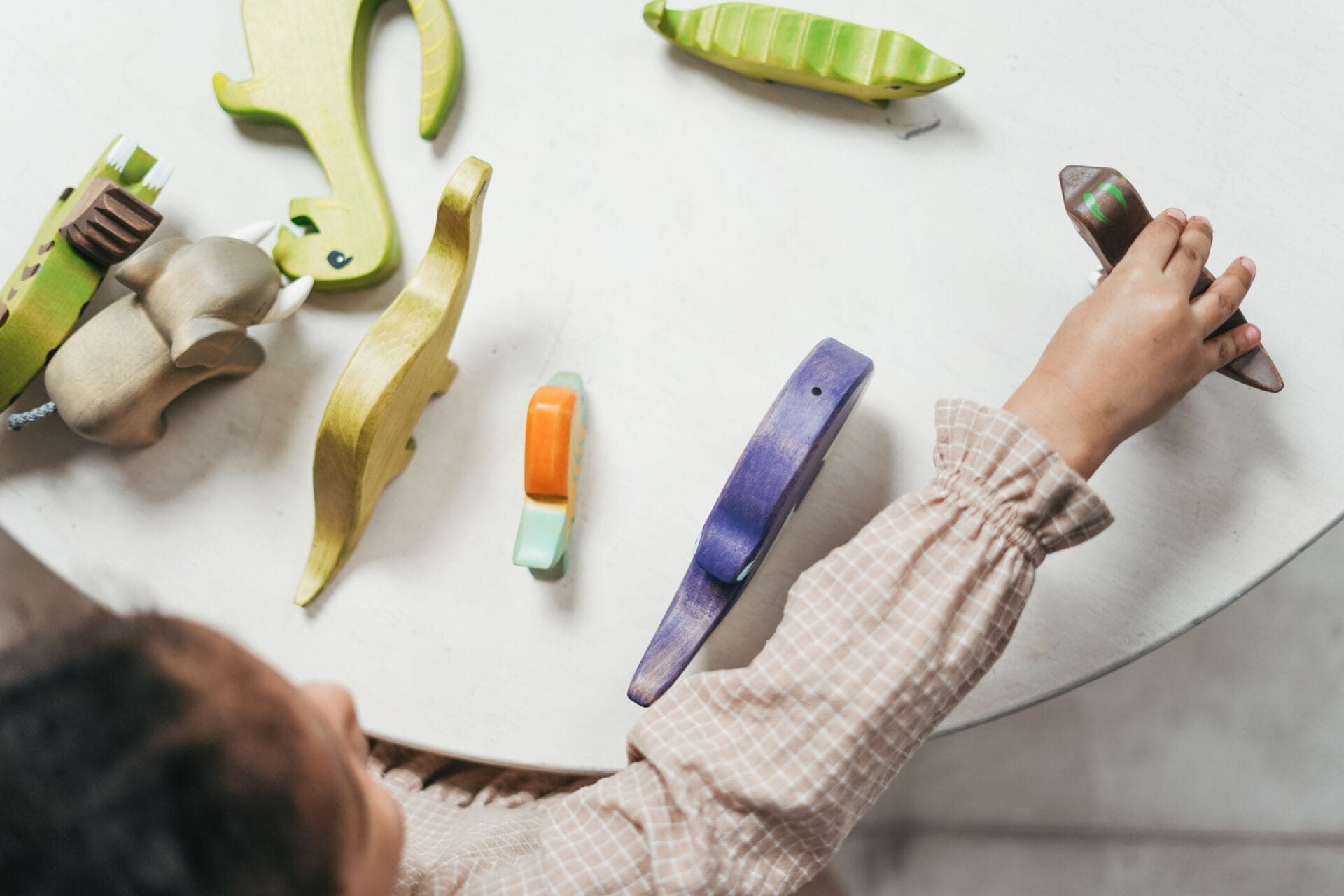
- More movement. Lots of tummy time, floor play, and being carried in different positions all help build strength.
- More sensory experiences. Gently introduce different textures, sounds, sights and movements. Watch your baby’s cues, and slow down if they seem overwhelmed.
- More social time. Many prem babies haven’t been cuddled by lots of family members or taken out and about. Talking, singing, face-to-face play and meeting new people all help them learn about the world.
It’s completely natural to feel nervous once you’re home. Your baby may still be vulnerable to infections, and you’ve been through so much. The key is building a safe network around you: a small circle of family and friends you trust to hold your baby, wash their hands, and stay away when they’re unwell. Talk to your doctor about immunisations and any extra precautions your baby needs. That way, your baby gets the experiences they need without unnecessary risks.
Looking After Yourself
Having a baby in NICU is one of the hardest things a parent can go through, and the worry doesn’t always stop once you’re home. Research has found that more than 40% of parents of very premature babies experience depression, and almost half experience anxiety soon after the birth. If you’re feeling this way, you’re not alone, and it’s not a sign you’re not coping.
Be kind to yourself. Accept help when it’s offered, rest when you can, and talk to someone if you’re struggling. Your GP, child and family health nurse, and organisations such as PANDA and Miracle Babies Foundation can all offer support. Looking after yourself is one of the best things you can do for your baby.
When Should I Seek Help?
It’s worth talking to your doctor, child and family health nurse or a therapist if your baby:
- is still having trouble with feeding, or feeds are very stressful
- feels very stiff or very floppy, or always turns their head to one side
- strongly prefers one hand or one side of the body
- isn’t reaching the milestones in the table in Part 1 for their corrected age
- doesn’t seem to respond to sounds or voices
- loses skills they used to have
Always trust your instincts. No question is ever the wrong one. Those of us working in children’s health are always here to answer your questions, reassure you, or offer help if it’s needed.
Every Week Counts
Babies born very early have already shown how strong they are. With today’s NICU care, ongoing follow-up and support at home, so many of these little ones go on to do wonderfully well.
Whether your baby needs just a little boost or more ongoing support, we’re here to walk alongside you and your family every step of the way.
If you have any questions about your baby’s development, we’d love to hear from you. You can call us on (02) 9519 0966 or send an enquiry through our website, and one of our team will be in touch to talk through what might help. There’s no need to have it all worked out first. A conversation is often the simplest place to begin.
Start the Conversation
Keep safe, happy, and well,
Deb
Deb Evans, CEO and Clinical Director, Therapies for Kids
Acknowledgement
This blog was developed with input from our occupational therapists and speech pathologists, drawing on resources our team prepared together.
Written by Deb Evans, CEO and Clinical Director, Therapies for Kids. This blog provides general information only and is not a substitute for individual assessment and advice from a qualified health professional.
References
- BMJ Best Practice. Preterm labour: aetiology.
- Victorian Infant Collaborative Study Group. Temporal trends in neurodevelopmental outcomes to 2 years after extremely preterm birth (Victorian Infant Collaborative Study). JAMA Pediatrics. 2021. doi:10.1001/jamapediatrics.2021.2052
- University of Melbourne / Royal Women’s Hospital. How every day counts for pre-term babies. Pursuit. https://pursuit.unimelb.edu.au/articles/how-every-day-counts-for-pre-term-babies
- The Royal Women’s Hospital. Caffeine boosts long-term breathing for very premature babies. https://www.thewomens.org.au
- Royal Prince Alfred Hospital Newborn Care. Developmental Follow-Up Clinic. https://www.slhd.nsw.gov.au/rpa/neonatal/followup.html
- University of Nottingham PRISM. Educational outcomes following preterm birth. https://www.nottingham.ac.uk/helm/dev/prism/rlo2/screen04.html
- Laverty C, Surtees A, O’Sullivan R, et al. The prevalence and profile of autism in individuals born preterm: a systematic review and meta-analysis. Journal of Neurodevelopmental Disorders. 2021;13:41. doi:10.1186/s11689-021-09382-1
- Co-occurrence and severity of neurodevelopmental burden at age 10 years in children born extremely preterm (ELGAN study). https://pmc.ncbi.nlm.nih.gov/articles/PMC5803305
- Early developmental intervention programmes provided post hospital discharge to prevent motor and cognitive impairment in preterm infants. Cochrane Database of Systematic Reviews, 2024 update (CD005495).
- Fan J, He R, He S, Yang M, et al. Effectiveness of a home-based, post-discharge early intervention program for very preterm infants in reducing parental stress. BMC Public Health. 2024. doi:10.1186/s12889-024-19969-7