Unoccupied play – 0-3 months
- Babies move their arms and legs with no purpose. They are learning to move and it is the beginning of play.
- Babies are observing their world.

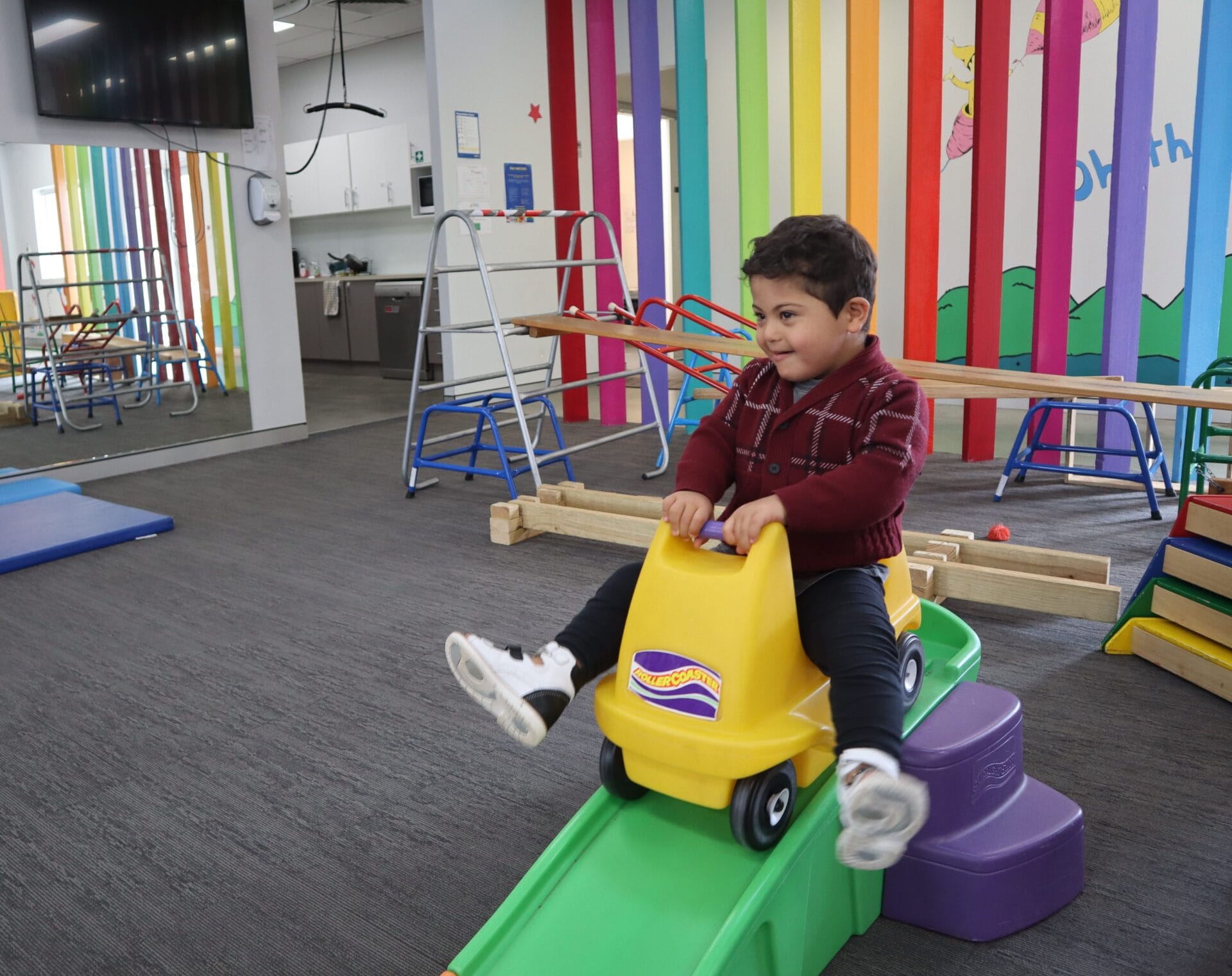
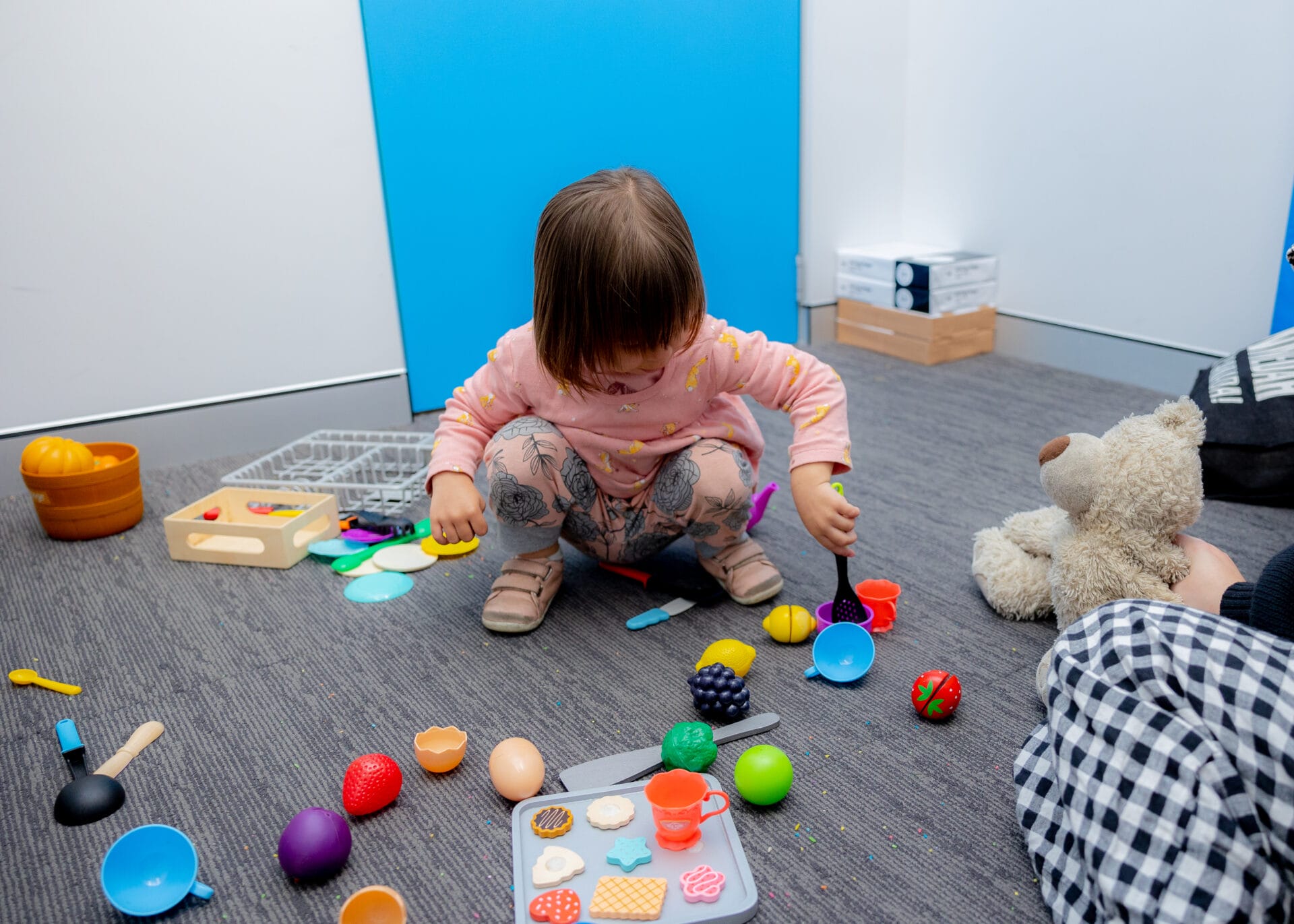
Solitary play – 0-2 years
- Children often play alone and appear to be uninterested in what others are doing.
- This is important because it teaches children how to entertain themselves.
Onlooker play – 2 years
- Children observe others play but do not join the play. They will often use language to find out more about the play.
- This is a common form of play at 2 years but can take place at any time.

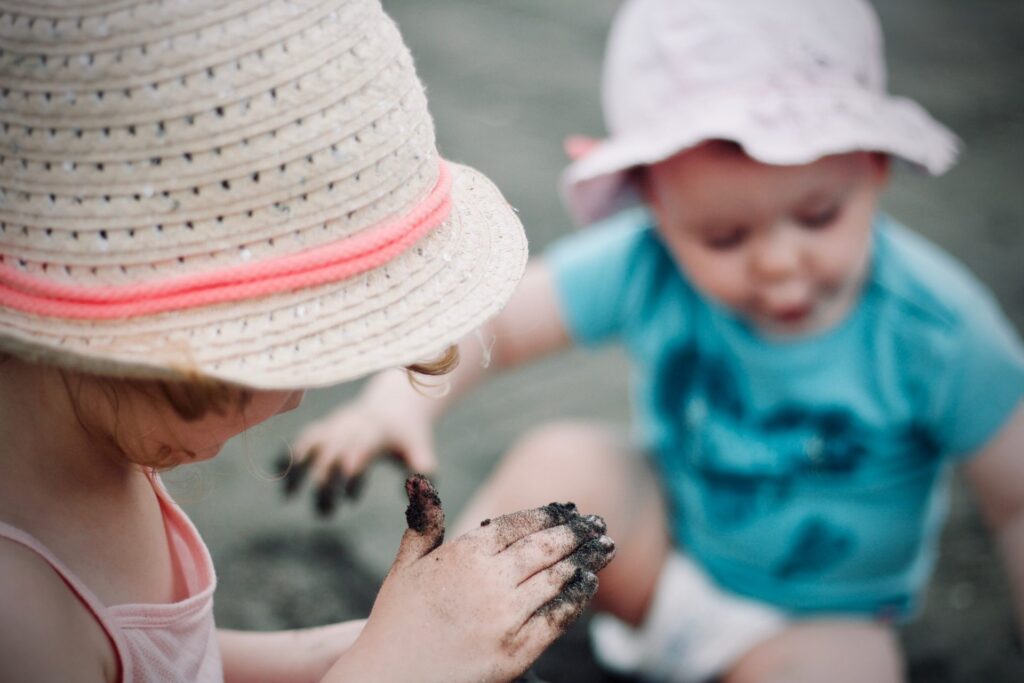
Parallel play – 2-3 years
- Children play next to each other but with very little involvement with each other. They may have similar toys and copy each other.
- Social skills are being learnt by observation.
Associate play – 2-3 years
- Children are more interested in playing with others than with toys.
- They may talk and engage with one another.
- They may trade toys.
- There are no rules.
- This kind of play develops problem solving/cooperation.

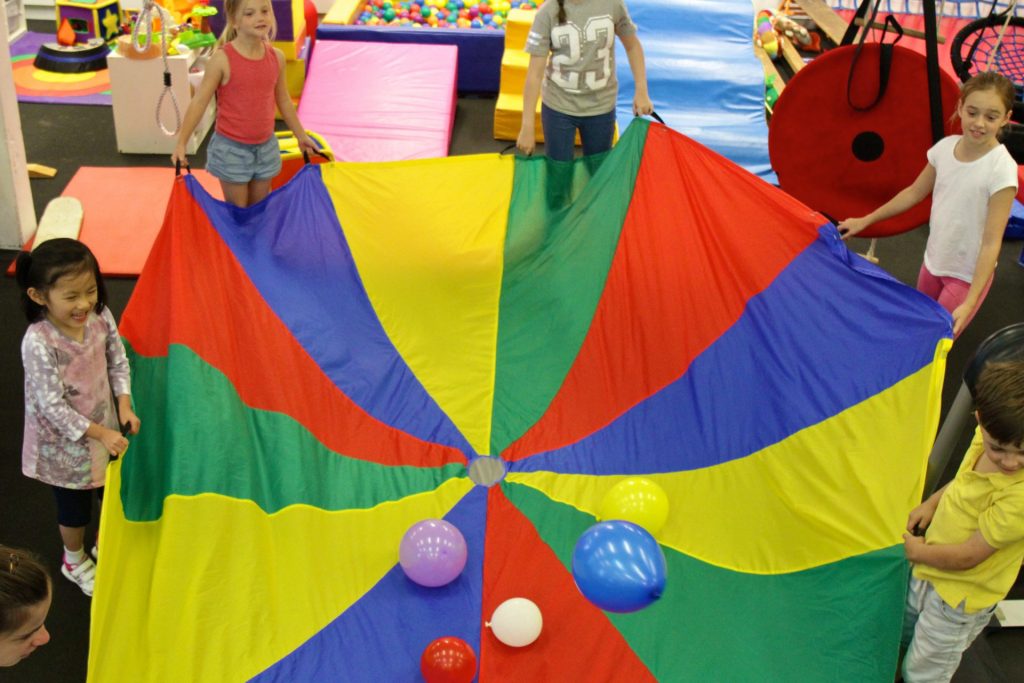
Cooperative/social play – 4-6 years
- Children are interested in both the people and the activity.
- Groups are more formalised with a leader.
- Children may be assigned different roles.
- The play is organised around specific tasks and to accomplish goals developed by the group.
- This kind of play brings together skills from all other stages.
- Necessary for social and group interaction.
- After 6, most play is divided in male/female groups.
Play is important because:
- We are biologically wired to play.
- It gives children the opportunity to practice skills they will need in the future.
- It encourages decision making skills.
- It teaches children how to work together.
- It teaches children how to resolve conflicts and advocate.
- It allows children to discuss what they enjoy.
Play is so important that the United Nation Convention on the rights of the child states in article 31 that children have the right “to engage in play and recreational activities.”
If your child is having difficulty learning to play with others you can:
- Have playdates with one other child initially.
- May need an adult to be involved in play.
- Find moments to teach/model play during parties/structured activities.
- Play family activities like board games/gross motor games.
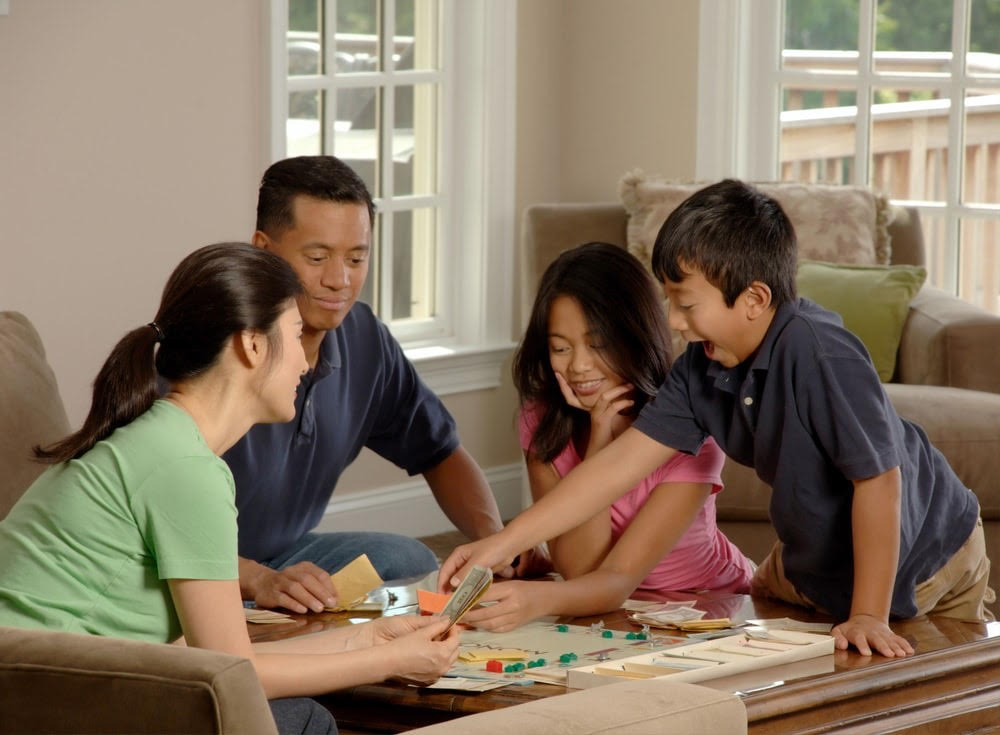
Some games to play at home:
- Imaginary play with household items.
- Play in sandpit.
- Play with outside toys.
- UNO
- Lego and building toys.
- Trouble – board game.
- Cook together with your children and others.
- Dress up play.
- Play with recycled household items.

If your child is struggling with play by themselves or with others when older, speak to your GP, community nurse, occupational therapist, or speech pathologist.
Stay safe, happy, and well,
Deb