Communication is more than spoken words
Many families come to speech pathology worried that their child is “not talking yet.”
But communication does not begin with words.
Long before a child uses words and sentences, they are already learning to communicate through:
-
eye contact
-
gestures
-
body movement
-
sounds
-
facial expression
-
play and interaction with others
At Therapies for Kids, we use a total communication approach. This means we support children and young people to use a range of communication options, including:
-
words and sentences
-
Key Word Sign
-
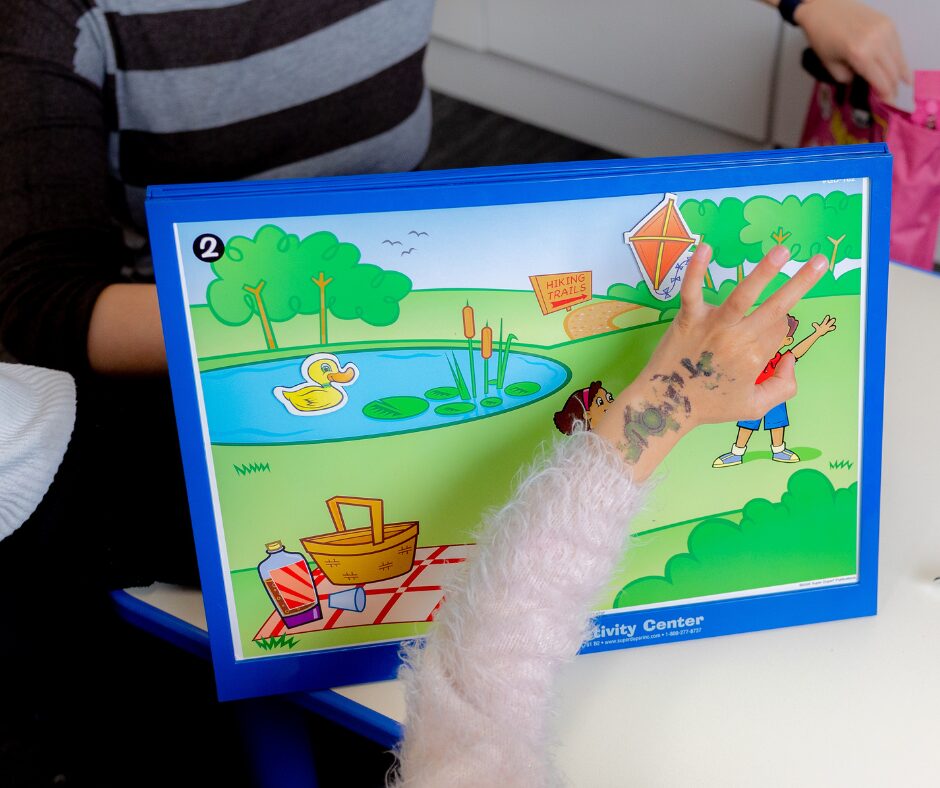
visuals
-
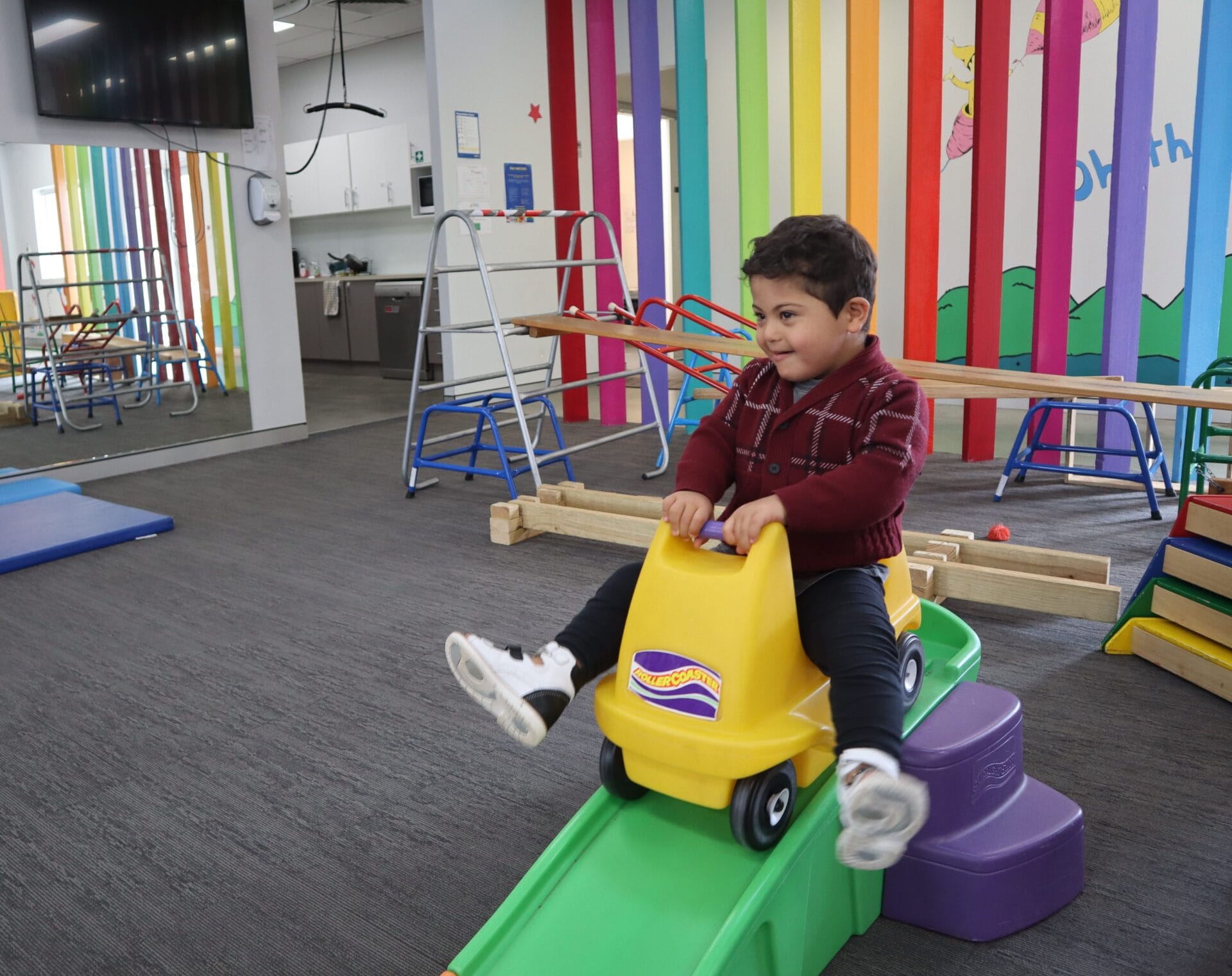
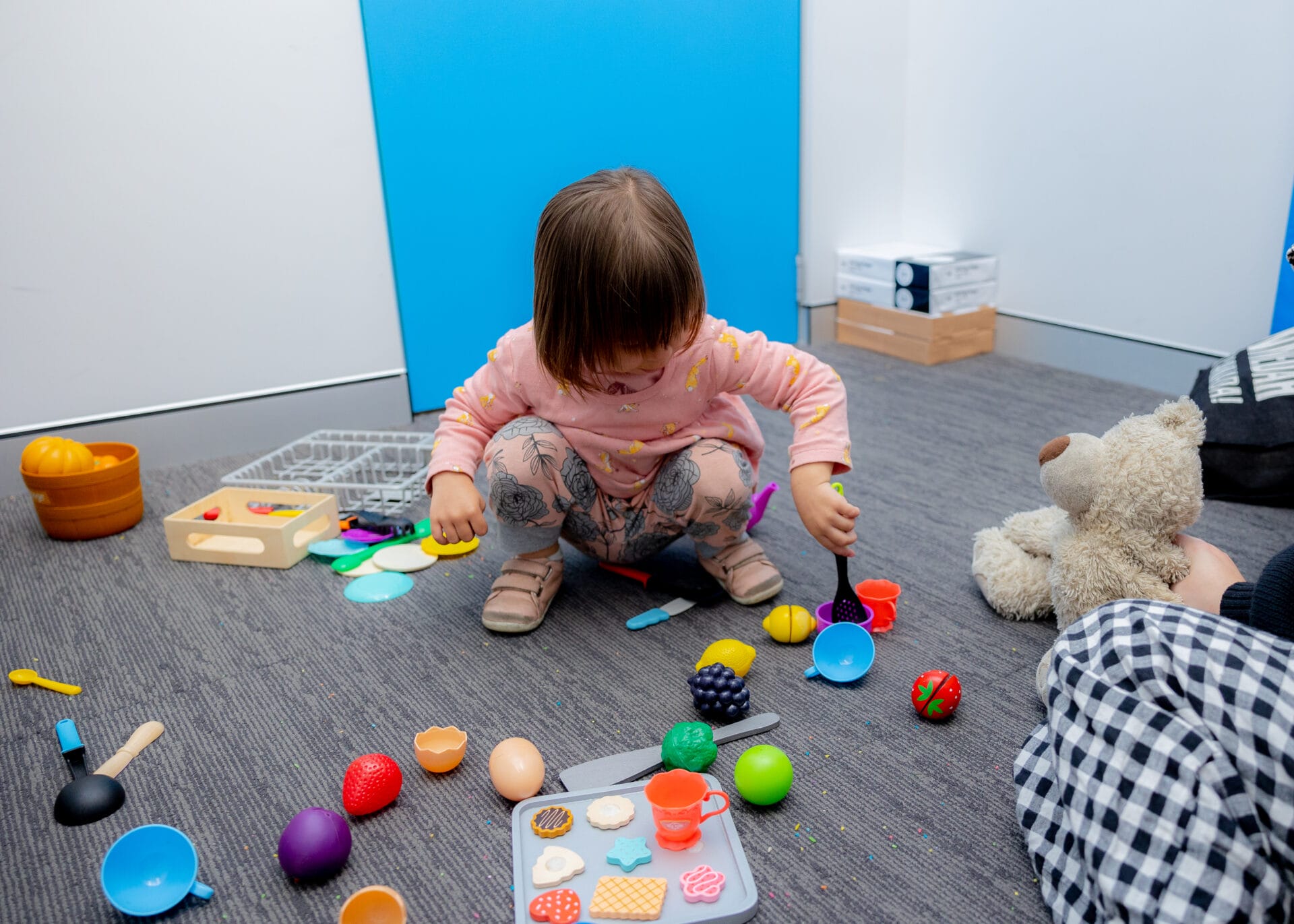
play-based interaction
-
everyday routines
-
parent and caregiver coaching
These tools work together to help children:
-
understand language
-
express themselves
-
reduce frustration
-
access learning opportunities
-
build meaningful connections
What is total communication?
Total communication is an evidence-based approach that encourages a child to use all available ways to communicate, rather than waiting for spoken words to develop on their own.
The focus is on helping children and young people to:
-
understand what is being said
-
express their wants and needs
-
participate in social interaction
-
develop confidence in communication
For some children this includes spoken words.
For others it may begin with signs, visuals, gestures or AAC.
Most children use a combination and that is exactly what we want.
When should I seek support for my child’s communication?
You do not need to wait until your child starts school.
Early communication support during the toddler and preschool years is one of the strongest predictors of later language, learning and social outcomes.
You might consider a speech pathology assessment if your child:
-
is a late talker
-
is not meeting communication milestones
-
is difficult to understand
-
becomes frustrated when trying to communicate
-
has difficulty following instructions for their age
-
finds it hard to interact with others
A speech pathology assessment provides clarity and practical next steps for your family.
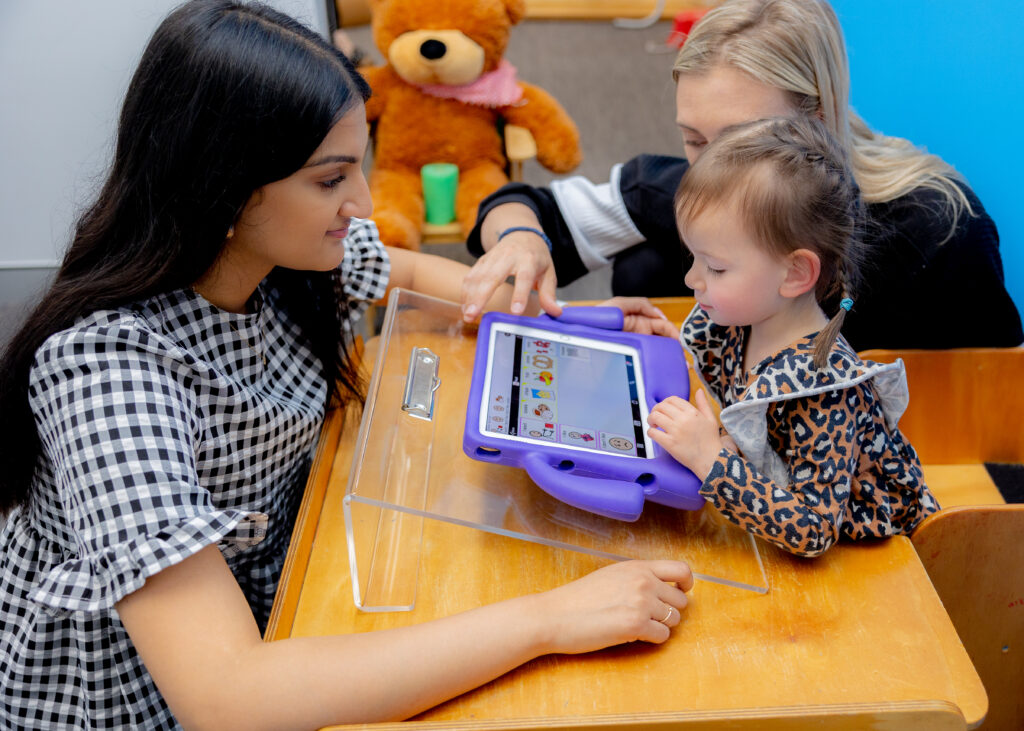
Do signs or AAC stop a child from talking?
This is one of the most common myths in speech pathology.
Research consistently shows that using Key Word Sign, visuals and AAC does not stop spoken language from developing.
In fact, these supports often:
-
increase interaction
-
reduce frustration
-
help children understand language
-
give children a way to express themselves
-
create more opportunities to hear and use words
When communication becomes successful and meaningful, children are more likely to engage and that engagement is what supports the development of spoken language.
The role of Key Word Sign in early communication
Key Word Sign is when we sign the important words in a message while saying the whole sentence.
For example, signing drink while saying “Do you want a drink?”
Key Word Sign and natural gestures can help children:
-
make requests
-
make choices
-
comment and interact
-
participate in daily routines
-
experience successful communication
This reduces frustration and builds confidence while spoken language continues to develop.
At Therapies for Kids, Key Word Sign is always used alongside words, visuals, play and interaction as part of a total communication system tailored to each child.
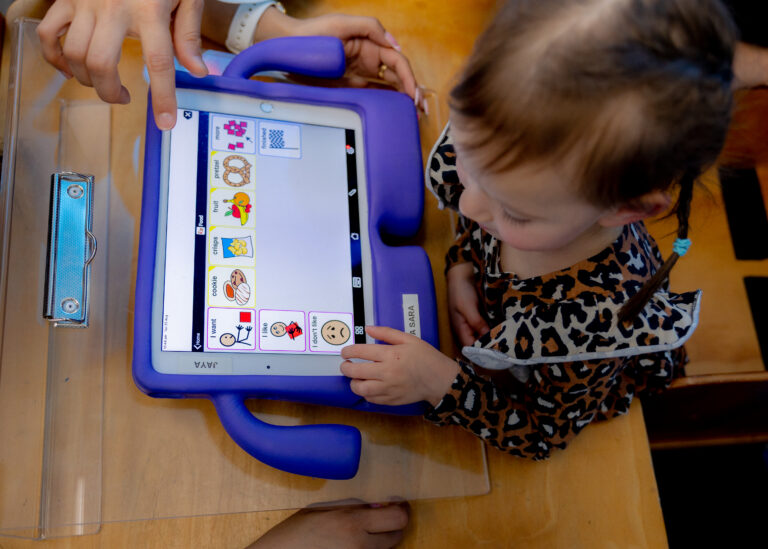
Visual supports and AAC
Visual supports help children understand and predict what is happening.
These may include:
-
visual schedules
-
choice boards
-
first–then boards
-
core word boards
AAC (Augmentative and Alternative Communication) refers to ways of communicating other than spoken words.
AAC can be used alongside spoken language and supports its development rather than replacing it.
For many children, AAC gives them a voice when speech is not yet their most effective communication method.
Why parent and caregiver coaching is part of every stage
The most powerful communication learning happens in everyday life.
That is why we work closely with families, educators and support teams so strategies can be used:
-
at home
-
in early learning settings
-
at school
-
in the community
When communication support continues beyond the therapy room, progress is faster and more meaningful.
Supporting different communication profiles
A total communication approach allows therapy to be individualised for children and young people with a wide range of needs, including:
- speech sound difficulties
- speech and language delays
social communication differences
Because every child communicates differently, therapy must be flexible and tailored to the individual.
Total communication across ages
Preschool and school-aged children
To support:
-
understanding and following instructions
-
narrative skills
-
literacy development
-
classroom participation
-
peer interaction
Teenagers and young adults
To support:
-
social communication
-
self-advocacy
-
independence
-
functional communication in real-life environments
Communication is a lifelong skill and therapy evolves as a child grows.
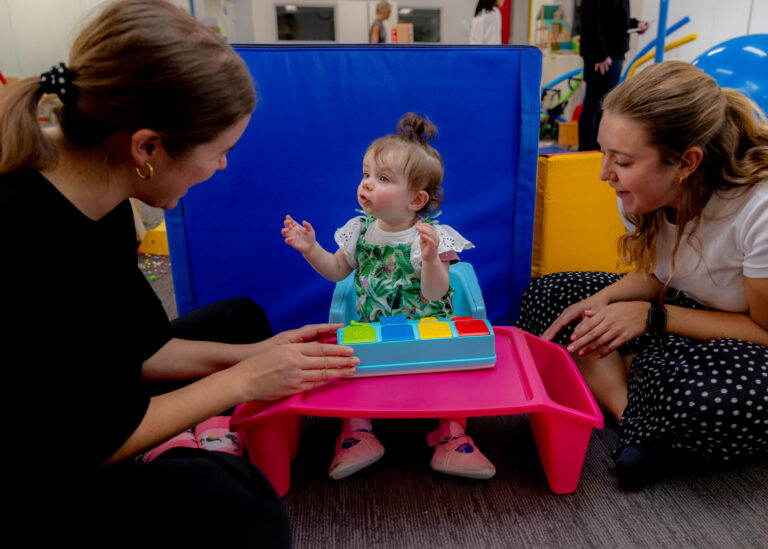
Why families choose Therapies for Kids for speech pathology in Sydney
Families often tell us they are looking for therapy that is:
-
practical and play-based
-
individualised to their child
-
connected to real life
-
collaborative
-
available without long wait times
Our speech pathologists are part of a transdisciplinary team, working closely with physiotherapists, occupational therapists and allied health assistants to support the whole child.
We provide therapy:
-
in the clinic
-
in early learning settings and schools
-
in the community
-
via telehealth when appropriate
Book a speech pathology assessment
If you would like to learn how a total communication approach could support your child, our team is here to help.
Our admin team can:
-
discuss your child’s needs
-
check current availability
-
help you book an assessment
You can also explore:
-
early language group
to find the right starting point for your family.
Acknowledgement:
This Blog article was developed with valuable input from our Speech Pathologists Emer and Sarah. Their clinical insights in early communication and total communication helped ensure this content reflects our everyday practice.