After more than 40 years of working with children and families, I can tell you that most children cope far better than we expect. Just the first few weeks of school ask a lot of little hands, and a few fun weeks of practice over summer can make a big difference to how confident your child feels when Term 1 begins.
In this first part of my school readiness series, we’ll look at what school actually asks of little hands, what’s reasonable to expect by January, and how you can help at home without it ever feeling like homework.
What does school actually ask of little hands in the first weeks?
When we think about school readiness, we often think about letters and numbers. But in those first weeks, the things that make the biggest difference to a child’s day are much more practical.
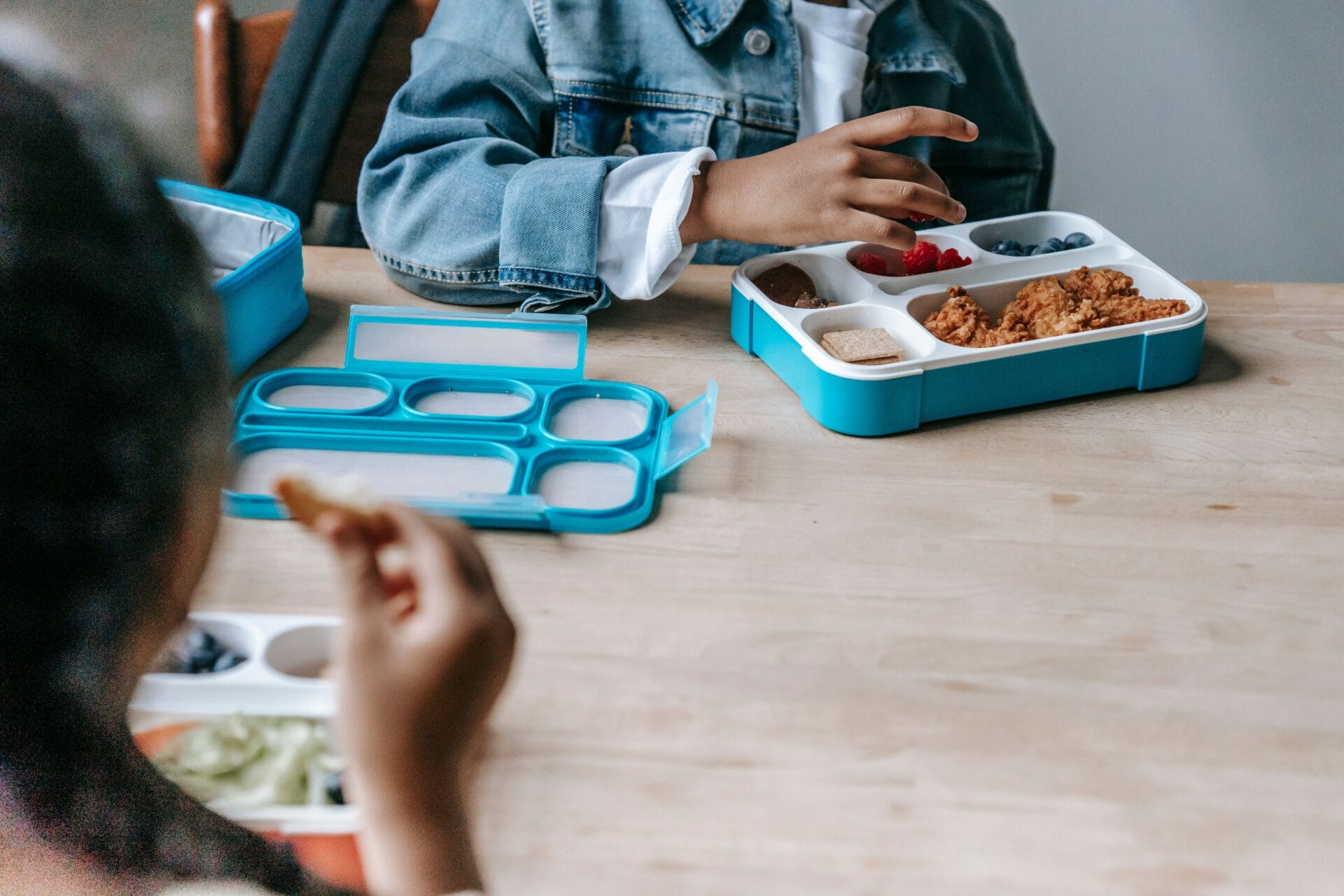
- Opening their lunchbox and drink bottle. Lunchboxes with tight clips, tricky yoghurt pouches and packets of crackers all need strength and two hands working together. Children who can’t get into their lunch often don’t eat it.
- Using scissors. Cutting is a “bimanual” skill, meaning both hands have different jobs: one hand holds and turns the paper while the other hand cuts. Snipping comes first, then cutting along a line, then around simple shapes.
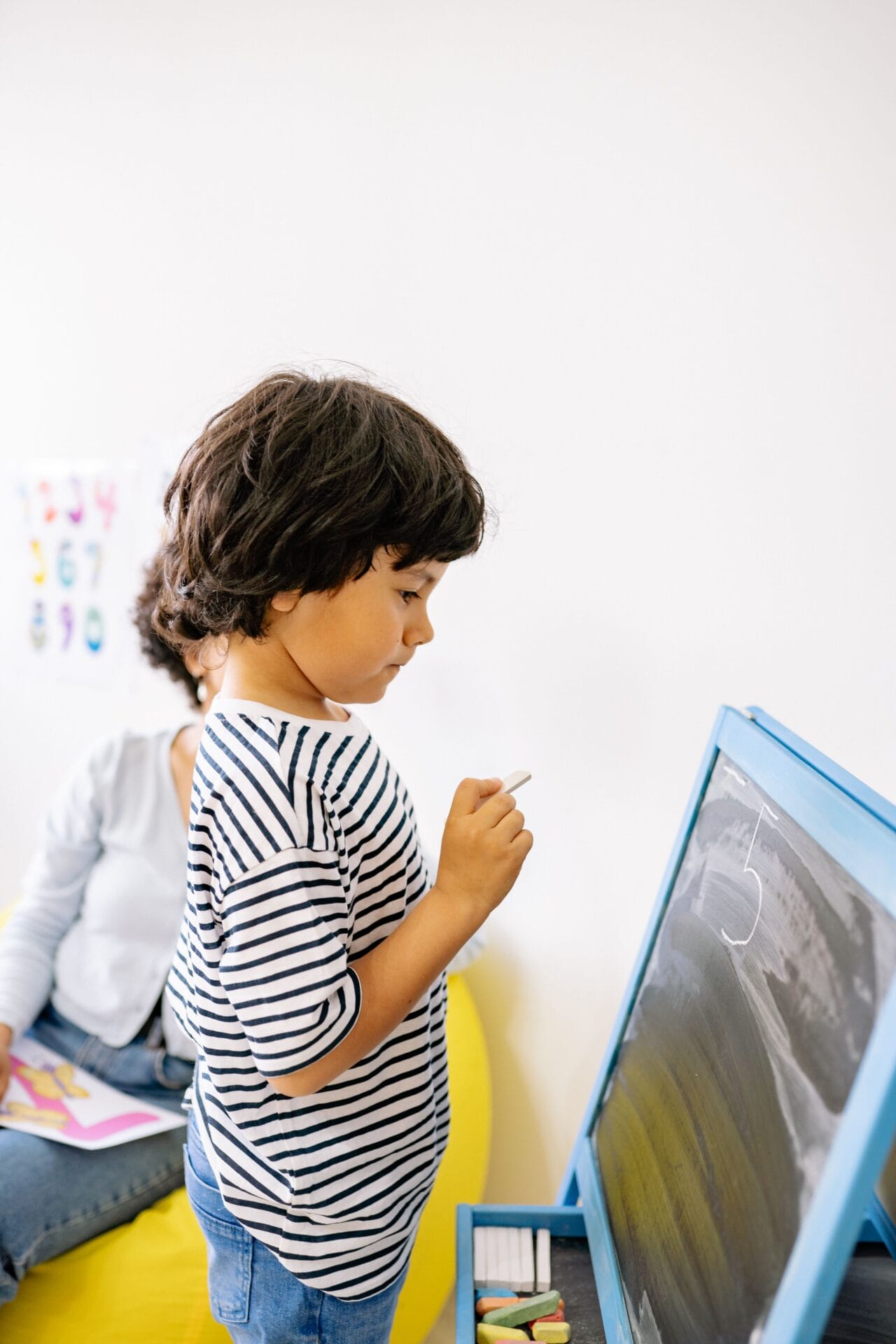
- Pencil skills. Teachers will be looking for a developing pencil grip and the ability to copy simple shapes like a line, circle, cross and square.
- Writing (and recognising) their name. Their name will be on their bag, their hook, their lunchbox and their artwork. Being able to recognise it is just as useful as being able to write it.
- Zips, buttons and bags. Getting a jumper on and off, zipping up a bag and getting things in and out of it, all usually while a teacher is busy with 20 other children.
If you’d like more ideas for building hand strength and control, my recent fine motor blog has plenty of play-based activities.
How can you practise fine motor skills at home?
The secret is to make it messy, fun and short.
- Writing their name: Forget the worksheet. Try writing in shaving foam on the bath wall or kitchen bench, painting with a big brush, or writing with chalk on the driveway. Big movements first, smaller ones later.
- Recognising their name: Label a few familiar things around the house with your child’s name, like their bedroom door, their cup and their toy box, so they get used to seeing it everywhere.
- Copying shapes: Draw the shape first and let them watch you, then let them copy it. If that’s tricky, draw it in dots and let them join the dots.
- Cutting: Start with snipping strips of paper, playdough “snakes” or old junk mail. Then move on to cutting along a thick line, then around big simple shapes. Remind them that the “helper hand” holds and turns the paper.

Can they look after themselves at school?
This is the area I most want parents to think about, because these skills shape how independent and confident a child feels every single day. We call them activities of daily living (or ADLs). At school, your child will need to:
- go to the toilet on their own, including pulling down and pulling up their undies and shorts
- put on shoes, socks and their hat (shoes on the correct feet!)
- undo and do up buttons and zips
- wash their hands and face, using soap and a towel
These skills combine fine motor control, balance and sequencing, which means knowing what comes first, next and last. At school they also need a bit of speed and the ability to follow directions, because the bell doesn’t wait!
When our occupational therapists are developing goals to support your child, they look at all of these systems, not just the hands.
Toileting ideas
- Practise wiping on a balloon tied behind them. It sounds funny, and children love it, but it’s a great way to practise reaching behind with good control.
- “Sink the target” for boys: drop a piece of cereal or a ping-pong ball in the toilet to aim at.
- Colour-change wee: a little blue food colouring in the toilet bowl turns green like magic.
- A toilet “passport” that gets a stamp every time they go to the toilet successfully on their own.
Dressing ideas
- Start big. Practise with oversized clothes first, like an old t-shirt or a parent’s jumper. They’re much easier to get on and off, and they build confidence.
- Dress a doll or teddy to practise buttons and zips with no pressure.
- Tag at the back. Teach your child to find the tag, because it always goes at the back.
- Ready, Set, Freeze! Call out a piece of clothing; your child puts it on as quickly as they can and then freezes until you call the next item.
- The great dressing race. Race your child to get dressed, but make it fair: you have to squeeze into clothes that are far too small (or far too big) over your pyjamas. Expect lots of giggles.
- Imaginary games: Make it a fashion runway, or a superhero getting dressed, where every item of clothing gives them a new superpower.
- Beat the timer or the song. Use a kitchen timer or a short favourite song, and see if they can finish getting their shoes on before it ends.
Can they manage their bag and lunchbox?
Packing and unpacking their bag sounds simple, but it involves zips, sequencing, remembering and a bit of organisation.
- Pack for an adventure. Play games where your child packs their own backpack and heads off on an “adventure” around the house or garden, then unpacks it when they get back.
- Give the bag a home. Put a hook in their bedroom where the bag lives, just like their hook at school.
- Practise zips everywhere: on jackets, pencil cases and even your handbag.
- Practise lunchbox time. Pack their real school lunchbox for a picnic and let them open everything themselves. You’ll quickly see which containers are too tricky.
Summer holidays are the perfect time for this. Going away? Let your child pack their own little bag for the trip. At the beach or the park, a packed lunch in their school lunchbox is great practice without them even noticing.
What's reasonable to expect by January, and what isn't?
Every child develops at their own pace, and starting school is a beginning, not a test. Here’s a general guide.
Skill area | Reasonable to expect by Term 1 | More advanced, comes later | Worth a chat with an OT |
Pencil and writing | Holds a pencil with a developing grip; copies a line, circle and cross; attempts their name | Neat letters, consistent size, a perfect grip | Avoids drawing altogether; grip causes pain or tiredness |
Scissors | Snips and cuts roughly along a thick line | Cutting neatly around shapes | Can’t snip yet, or both hands don’t work together |
Toileting | Toilets mostly independently, including managing clothes | The occasional accident when busy or excited | Not yet toilet trained during the day |
Dressing | Puts on shoes and hat; manages a zip; takes a jumper on and off | Tying shoelaces; small buttons; doing it quickly | Very reliant on adults to dress |
Lunchbox and bag | Opens most containers and their drink bottle; packs their bag with reminders | Tricky packets; remembering everything | Can’t open most containers |
When is it worth having a chat with an OT before Term 1?
It’s so much easier to get support in place before school starts than to play catch-up once Term 1 is under way. A quick conversation with one of our occupational therapists could help if:
- your child’s preschool or daycare teacher has mentioned any concerns (do ask them; they see your child in a group setting every day)
- anything at orientation left you with a nagging worry
- your child becomes very upset, avoids, or melts down when trying any of the activities above
- you’re simply not sure, and would like some peace of mind
Often it’s just one or two small things, and a few targeted ideas over summer are all that’s needed.
How can Therapies for Kids help?
Our occupational therapists work together with families, preschools and schools to help children start school feeling capable and confident. We can assess your child’s strengths, set goals with you, and give you practical, fun strategies to use at home.
Above all, remember that your child doesn’t need to be perfect to start school. They just need the confidence to have a go, and a family cheering them on.
Start the Conversation
Coming up in Part 2
Little hands are only part of the story. In Part 2: Ready, Set, Play!, we’ll head out to the playground and look at the big movements, the talking and listening, and the friendship skills that help children feel at home at school. I’ll also share when it’s worth a chat with a speech pathologist or physiotherapist. Keep an eye out for it!
Acknowledgement
This blog was developed with input from our occupational therapists and speech pathologists, drawing on resources our team prepared together.
Written by Deb Evans, CEO and Clinical Director, Therapies for Kids. This blog provides general information only and is not a substitute for individual assessment and advice from a qualified health professional.