

Self-feeding: part 1
It has been 2 weeks between blogs as life has gotten busy with our beginning the change back to in rooms from providing therapy exclusively by Telehealth. I thought we would have a change from gross motor development and talk about feeding.
Self-feeding is an important and complex skill that includes a variety of reflexes, oral-motor, fine motor and gross motor skills, as well as sensory skills. As babies develop and meet new milestones in these areas, so do their feeding skills.
Deb’s key takeaways
There are several areas of development needed for a baby to feed in the first 6 months. These include:
- General motor development
- Behaviour imitation and interaction with others
- Specific feeding skills
General Motor Development
0-2 months
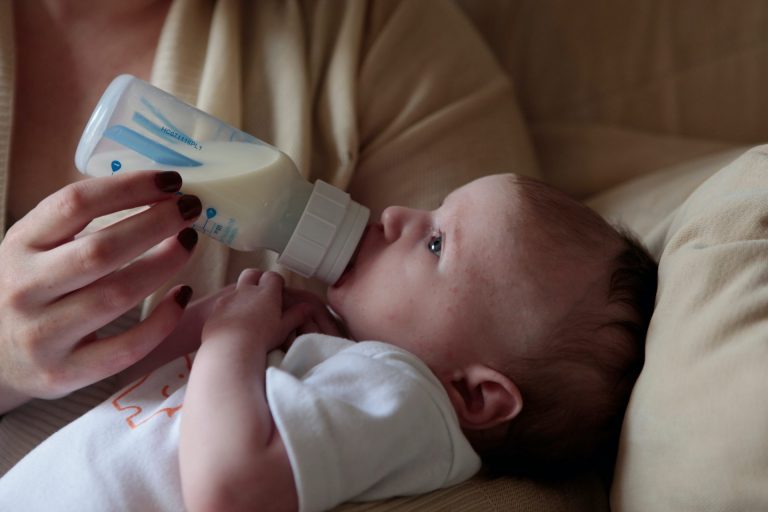
- Babies can move their head to the breast or bottle.
- They practice sucking between feeds by bringing their hands to their mouth.
- They recognise the feeding position.
- They will knead the breast to help with milk flow.
2-4 months
- Babies hold objects placed in their hands.
- They will hold the breast/bottle during feeding.
- They hold and mouth objects and explore with their mouth and tongue.
- Begin to develop head control at 3-4 months.
- Can sit when supported on lap in high chair.
4-6 months
- Increasing development of head and trunk control.
- Sit without receiving help.
Behaviour Development
Birth
- Babies show likes and dislikes by crying or settling.
- Look at faces/imitate facial movements of parent.
2 months
- Smiles at familiar faces.
3 months
- Some imitation of facial expressions.
- Watches events and responds to them e.g. follows a spoon to parent’s mouth.
- Begins to turn-take with others.
4-6 months
- Gets excited when they see food being prepared.
- Lean towards/reach for your spoon in sitting.
- Open their mouth in expectation of spoon.
- Turn their head and/or push the spoon away when full.
- May clamp their mouth shut when not interested in food.

Specific feeding skills
Reflexes
0 to 4 months
- Rooting – the baby turns their face towards a sense of touch near their mouth and opens their mouth to look for a breast or bottle.
- Suck-swallow – the baby sucks on a nipple or finger and their sucking is coordinated with their swallow to allow them to feed safely on their back.
- Tongue-thrust – the baby’s tongue moves out of the mouth when touched on the lips, to help with feeding from a breast or bottle and prevents choking.
- Gag – an object placed near the back of the mouth is pushed out by the tongue to protect the baby from choking.
4 to 6 months
- Rooting reflex – disappears by 4 moths and your baby will actively turn their head and move their mouth to suck
- Sucking reflex – by 4 months sucking becomes a voluntary action rather than a reflex
- Tongue thrust – begins to disappear, allowing introduction of spoon feeding.
- Gag reflex – is reducing by 4-6 months due to the increased use of mouthing toys. As they mouth different objects, they get used to the gag reflex and it is stimulated less and needs an object to be further back in their mouth before they will gag. They can successfully deal with different textures, such as a spoon and thicker food, i.e. smooth solid food.
- The gag reflex can still be seen in infants 6 months and older as they are given lumpier food.

Oral-Motor Skills
0 to 4 months
Babies develop their oral-motor skills from when they are still in the womb. Unborn babies have been seen to suck and swallow amniotic fluid from as early as 14-15 weeks in the womb. While in the womb, they also start experiencing different tastes and smells through the amniotic fluid.
Babies are on an all-milk diet from when they are born as their tongue movement is limited by the small space in their mouth up until around 4 months old. They may be drinking milk from the breast or from a bottle. In their first 4 months, you can expect to see some oral-motor skills developing that help them feed. These include:
- More tongue control and types of movements – moving tongue forward and backward in their mouth, in and out of their mouth, as well as up and down.
- Large fatty cheeks that help stabilise the nipple or teat during feeding (not just to look cute!).
- Opening of the mouth in preparation of sucking a nipple, teat, their own fist and even toys.
4 to 6 months
- Babies can move their jaw up and down.Munching movement.
- Can move food from front to back of their tongue to swallow.
- Early oral reflexes are disappearing.
- Opens mouth when sees food approaching.
- Increasing control of mouth, i.e. licking lips/blowing raspberries.
- Exploring things by putting everything in their mouths – even their feet.

Tips for successful feeding (how to help your baby with feeding)
- Hold your baby straight up-and-down against your chest, arm behind their shoulders and one under their bottom (tummy down on your chest).
- Sit in a comfortable, semi-reclined position.
- Let the baby find the nipple or teat – let them find it from above.
- Before you start solids (4-6 months), introduce your baby to family meal times.
- Offer 1 tablespoon of food at first.
- Recognise when they have had enough, e.g. closed mouth.
- Give your baby their own bowl and spoon to encourage early self-feeding but feed from a separate bowl.
Tips to encourage oral stimulation
- Gentle massage of lips and gums with finger.
- Vibrating toys for facial massage/stimulation.
- Gentle facial massage with different textures.
- Exploring things with different textures for mouthing
Possible signs of feeding/swallowing problems
- Refusing to eat.
- Poor weight gain.
- Coughing or throat clearing after feeds (wet or gurgly cry).
- Gagging with feeding (especially as introducing solids).

In the first few months of your baby’s life, their feeding changes from reflex to controlled choice. They move from totally dependent on the breast or bottle to the beginning of solid foods between 4-6 months.
Babies are born with gut feelings, reflexes, and developmental skills to feed from birth. As they grow, these skills get better and develop, and you both are in for an experience of discovery and enjoyment.
If you have any concerns related to your baby’s feeding, contact your community nurse, lactation therapist, or GP.
Keep safe, happy, and well.
Deb