These areas of development are a key focus for your child’s development. Each of the areas are equally important and it’s important to apply these concepts in a holistic way with children and their families.
The six F-words
Function
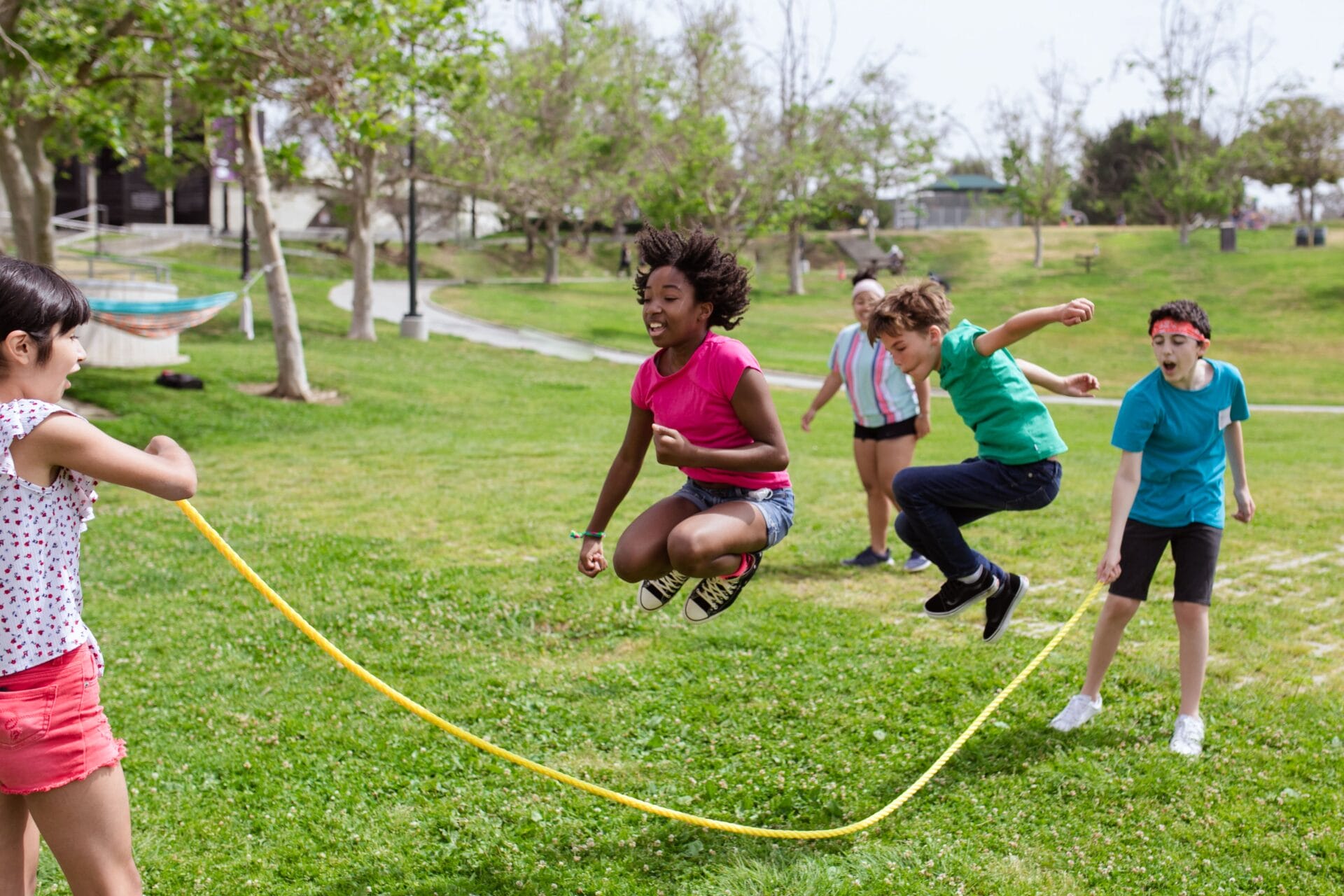
This is what a child does. A child’s occupation is to play, so a primary focus of function is children’s play.
Family
This includes the home environment of a child. Families come in all shapes and sizes, but no matter the structure, family is an important part of a child’s life.
Fitness
This includes how children stay physically active and can be in the form of exercise or recreational activities.
Fun
Children need to be involved in activities that they find enjoyable and want to participate in.
Friends
Friendships made with peers is an important part of social development.
Future
Children and their families have expectations and dreams for the future. This is an essential part of child development.
How the F-words were developed
The World Health Organization (WHO) developed the International Classification of Functioning, Disability and Health (ICF) framework. This framework shows how health and functioning is influenced by factors such as function, activity, participation, environment, and personal factors. Each factor plays an important role in child development. The F-words build upon this ICF framework. Although the ICF was developed for children with disabilities, the F-words can be used with any child to help specify how each area is important to that child and their family.

Ideas for using the F-words in your child’s life
- Create an F-words agreement to be used with family members, educators, clinicians, physicians, and more to share what is important to your child and your family.
- Create an F-words collage as a visual for what is important to your child in each area. This is a great way to get your child involved too.
- Create an F-words profile. This is a one-page document that shows what each area means to your child and can be used as a simple tool when meeting new service providers.
- Create an F-word goal sheet as a way of participating in the goal-setting process. This helps service providers see what is important to your child and what they should focus on.

Resources
Keep safe, happy, and well,
Deb