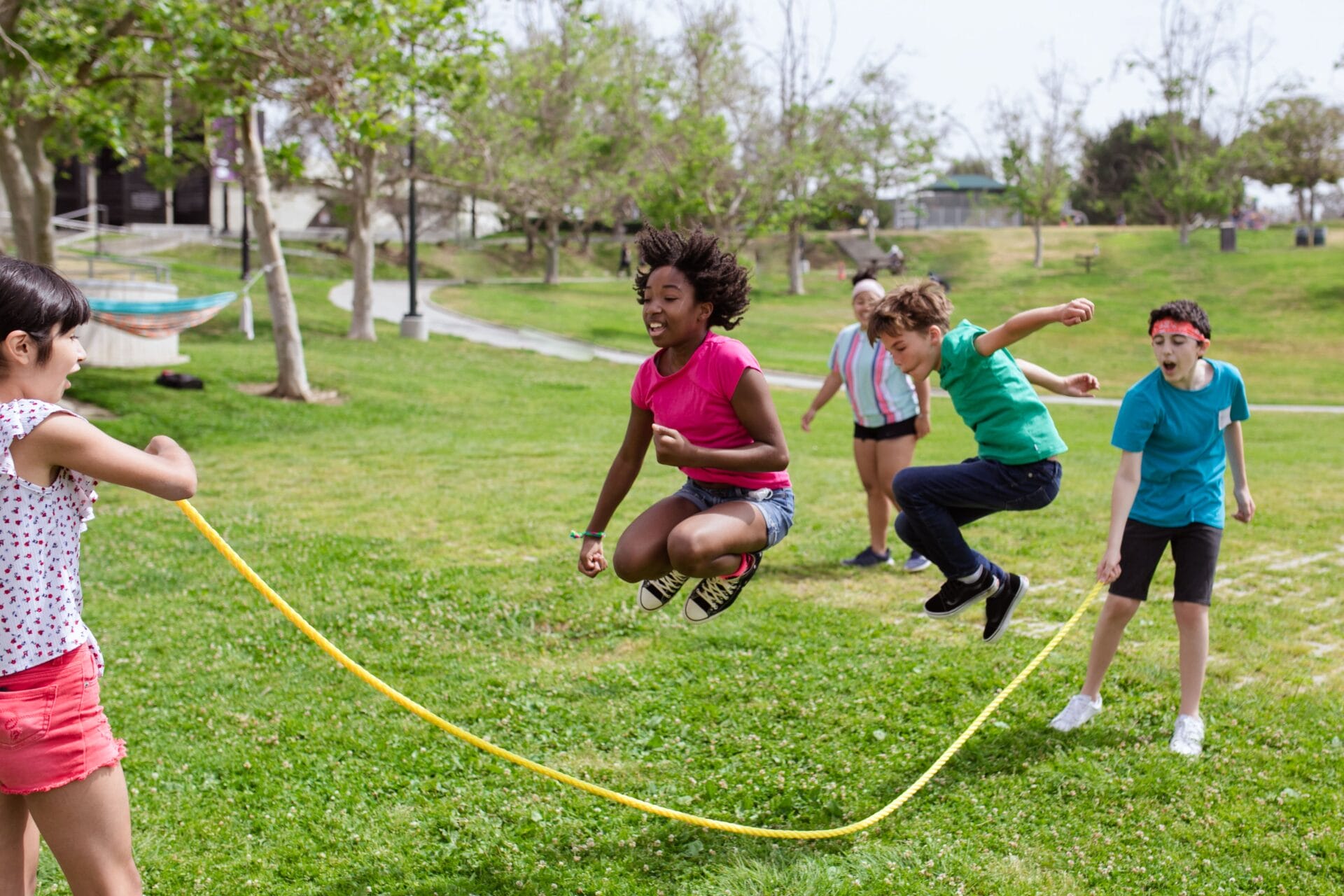
If you’ve ever reached Wednesday of the first week, looked around at everyone else apparently having a lovely time, and wondered what you were doing wrong, you’re in very good company. Plenty of the families we see find the holidays harder than the school term, not easier.
That’s true whether your child is neurodivergent, has a physical disability, or simply finds change harder than most. The holidays take away almost everything that was quietly holding the day together, then ask them to manage more noise, more people and more change than usual. That’s a big ask for any child. For a child or teenager who’s already working hard just to get through an ordinary day, it’s an enormous one.
So none of what follows is about filling every hour, or having a beautiful plan stuck on the fridge. It’s about getting through the fortnight in one piece, with some genuinely lovely bits in it.
Why the holidays can be harder than term time
It helps to say out loud what’s actually changed, because it’s usually more than it looks from the outside.
- The structure that used to carry the day has gone. No bell, no timetable, no familiar order to things
- Days are less predictable, and plans shift with the weather, the siblings and everyone else’s diary
- Outings mean busier, louder, brighter places, often at the busiest time of the year
- There’s more time with siblings, and less time alone to recover
- Sleep, meals, and screen time all drift, and each one affects the rest
- The familiar adults aren’t there. No teacher, no aide, no classroom routine quietly doing half the work
If your child is having a harder time than usual, that’s a completely predictable response to all of that. It certainly doesn’t mean you’re getting it wrong.
1. Build a rhythm, create a routine
A full schedule tends to collapse somewhere around Tuesday, and then everyone feels like they failed at it. A rhythm is a kinder thing to aim for: a few fixed points in the day, with flexible space in between.
Communicate early. Talk about the holidays in advance, and plan them together rather than presenting a finished plan.
- Keep wake-up, meals and bedtime roughly where they usually sit
- Stick to a similar bedtime through the break. A solid sleep schedule helps everything else, and it makes the return to school far easier
- Aim for one main thing a day, not three
- Put quiet time in the same slot each day, so it becomes part of the shape of things
- Decide tomorrow the night before, and offer choices between activities rather than a single fixed plan
- Write it up where they can see it. A whiteboard, a list on the fridge, a visual timetable, or social stories for children who aren’t reading yet
It’s the predictability doing the work here, far more than how full the day looks.
2. Plan the recovery, not just the activity
The outing is the part we all plan. Often it takes our children and teenagers longer to recover afterwards, both physically and mentally, and that’s the part that gets forgotten.
So it’s important to schedule time for rest and relaxation, and not only for your child. The whole family needs it, including you.
- One outing a day is plenty. Two is often one too many
- Treat the day after a big day as a slow day on purpose, before anyone has to ask for it
- Build in a stretch that’s genuinely low demand. No instructions, no transitions, no conversation needed
- Movement early and often, especially before anything that involves sitting still
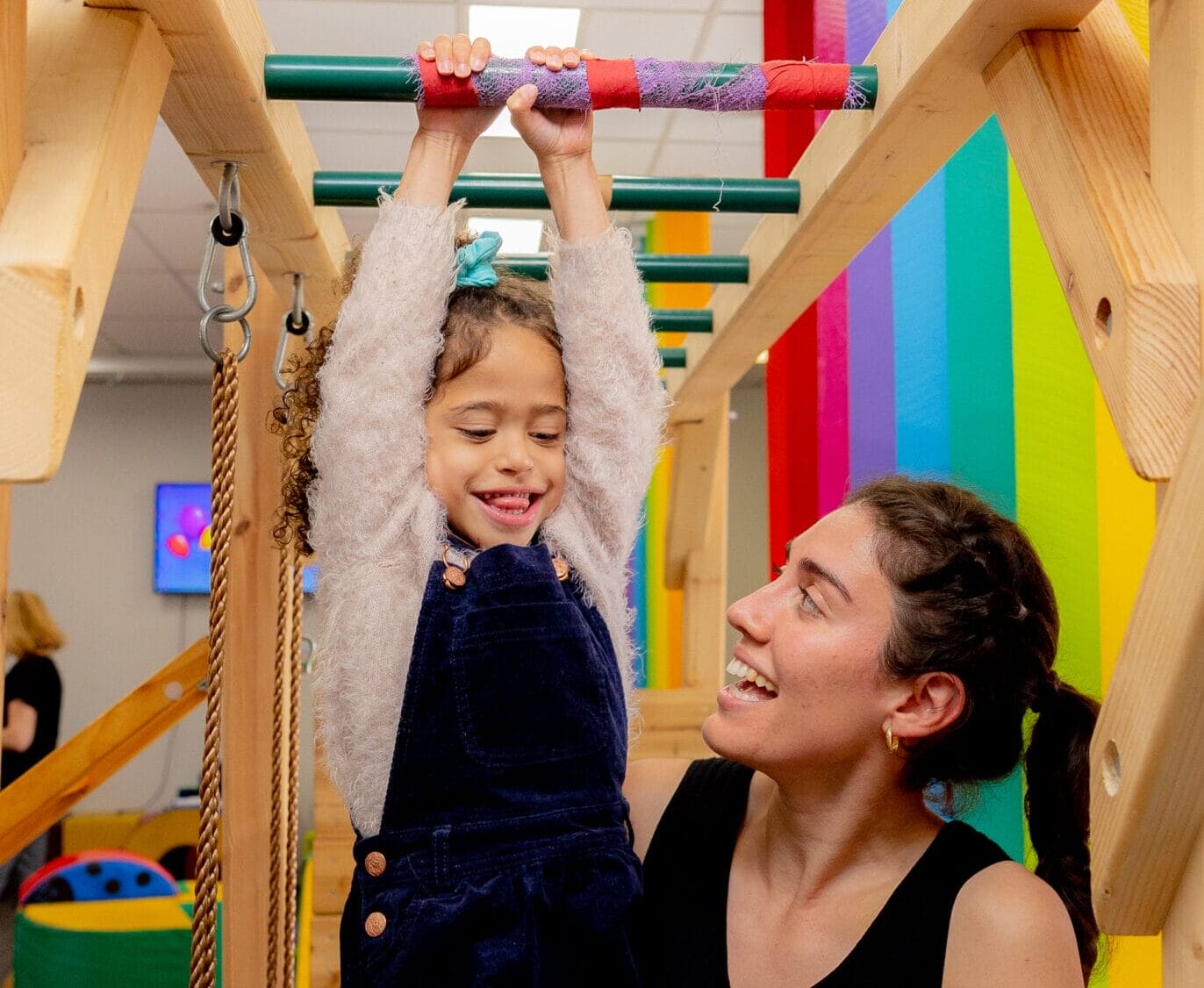
- Heavy work through the day. Carrying, pushing, climbing, hanging
- Leave while it’s still going well, rather than waiting for the moment that tells you it isn’t
3. Communicate early
A lot of holiday distress isn’t really about the activity. It’s about not knowing what’s happening next, or something changing without warning.
- Show the plan, don’t just say it. A visual list or a social story works for most ages
- Count transitions down. Ten minutes, five minutes, two more turns
- Tell them about changes as soon as you know, even when it’s disappointing news
- Talk new places through beforehand. What it looks like, how loud it is, how long you’ll stay, and how you’ll leave
- Agree an exit plan before you go, so leaving early is the plan rather than a failure
4. Monitor time online
Screen time goes up in the holidays. It just does. And for a lot of children and teenagers a screen is genuinely useful: it’s predictable, it can offer social connection without the usual challenges, it develops creativity, and it gives them a break from working hard.
Some children and young adults do experience the other side of it, though. Screens and gaming can be very hard to disengage from, and like any activity, time online needs some moderation. Here are some ways to encourage healthy habits:
- Encourage your child or teenager to avoid devices as soon as they wake up, and have a routine or timetable for screen use
- Keep devices out of bedrooms
- Build in regular breaks to move around, do a sensory activity, or have a snack
- The Australian guidelines suggest a maximum of two hours of recreational screen time a day for children and young people
- Set expectations up front, use a timer, and communicate how long they can be on it
It’s also worth watching how your child comes off a screen, rather than only counting how long they were on it. If getting off is consistently awful, a timer and a warning usually help more than a shorter limit does. And sometimes, after a big day, a screen is what regulates your child or teenager. That may be telling you how demanding the day was.
5. Find fun activities
Sometimes they’re a bit harder to find, but there are activities and venues that are genuinely inclusive, disability aware and sensory friendly. Plenty of them run quiet sessions or early openings, and many have access resources on their websites if you look before you go.
- Australian Museum Early Birds, reduced-sensory morning sessions held before the museum opens to the public, for autistic children and children with access requirements
- Taronga Zoo, access resources including visual social stories and quiet picnic areas, and recognition of the Sunflower Hidden Disability scheme
- Wild play and discovery centres, and inclusive, all-abilities play spaces
- Universal and inclusive kids cafes, designed so the whole family can actually sit down
- Aquariums and museums with quiet sessions, usually early in the day before the crowds
- Indoor play and trampoline centres, many of which run quiet or all-abilities session.
- Lego and hobby stores, which can be a good low-pressure outing with a clear purpose
Whatever you choose, a few things travel well: ear defenders or headphones, familiar food, a plan for where the quiet spot is, and an agreed time to leave.
6. Some activities at Therapies For Kids
Sometimes the most useful thing is simply not having to build the day yourself. Holiday groups give the day a shape, they put your child alongside other kids doing something they actually want to do, and the therapy goals are woven into the activity rather than bolted on top of it.
Our September and October holiday therapy groups run from Tuesday 29 September to Thursday 8 October, at our Leichhardt clinic and nearby, in small groups led by our therapists:
- Kommuniteens, a speech pathology-led social group for teenagers 13 and over, building conversation skills, confidence and independence out in the community
- Little Learners Club, for children 4 to 6 getting ready for preschool or school, covering communication, attention, group routines and pre-writing skills
- Ninja Academy, a physiotherapy-led obstacle course program for children 8 to 12, working on gross motor skills, coordination, balance and motor planning
- Keen Riders, bike and balance bike skills out in the fresh air, for children learning to ride or building confidence, balance and coordination. Open to all ages
- Dance Group, physiotherapy-facilitated dance and movement for coordination, balance, self-expression and social connection. Open to all ages
Places are limited and the groups are deliberately small, so it’s worth getting in touch early. Give us a call and we can talk through the dates, the cost, and whether a particular group is a good fit for your child.
Register your interest:
https://therapiesforkids.com.au/group-therapy-programs/
7. The adults need a plan too
Your capacity is part of your child’s environment, which means looking after it isn’t self-indulgent. It belongs in the plan, not at the bottom of the list.
- Lower the bar on anything that doesn’t really matter this fortnight
- Share the load where you can, and be specific when someone offers to help
- Put one thing in the week that’s actually for you
- Try to let the comparison go. The families whose holidays look effortless online are not necessarily having an easier time than you are
8. Getting ready to go back
Going back to school is its own transition, and it’s much easier when it doesn’t all arrive at once on Sunday night.
- Shift bedtime and wake-up back gradually over the last few days
- Start talking about school again before the last weekend. What’s happening, who will be there, what the first morning looks like
- Do a practice run with the uniform and the lunchbox, so the first morning isn’t the first attempt
- Keep the last day or two calm. A big final outing usually costs more than it gives

Therapies For Kids is here through the holidays
Every child finds a different part of the holidays hard, and what helps one child can make things harder for another. If you’re not sure where to start, or if the holidays have brought something into focus that you’d like to look at properly, we’re very happy to talk it through.
You don’t need to have it all worked out before you get in touch. A conversation with our team is usually the simplest first step.
Enquire online or call us on (02) 9519 0966 for more information.
This article is general in nature and does not replace individual clinical assessment. If you have specific concerns about your child's development, please speak with a qualified occupational therapist or your GP.
Acknowledgement
This article was developed for Deb’s Blog and is based on the clinical expertise, whose evidence-informed insights and detailed review helped ensure the content reflects current best practice in speech pathology.
References
-
Raising Children Network (Australia), Autism and family life: https://raisingchildren.net.au/autism
Australian 24-Hour Movement Guidelines for Children and Young People, Department of Health and Aged Care: https://www.health.gov.au
Reframing Autism, Resources for families: https://reframingautism.org.au
Occupational Therapy Australia, What is occupational therapy? Children and young people: https://otaus.com.au/about/about-ot