
What Does Therapy Involve at TFK?

15 July, 2025
Therapy is more than just what happens in the session room. This blog explores the unseen work therapists do behind the scenes to support your child’s progress. From planning and documentation to collaboration and care, it’s all part of the journey. Let’s look beneath the surface.

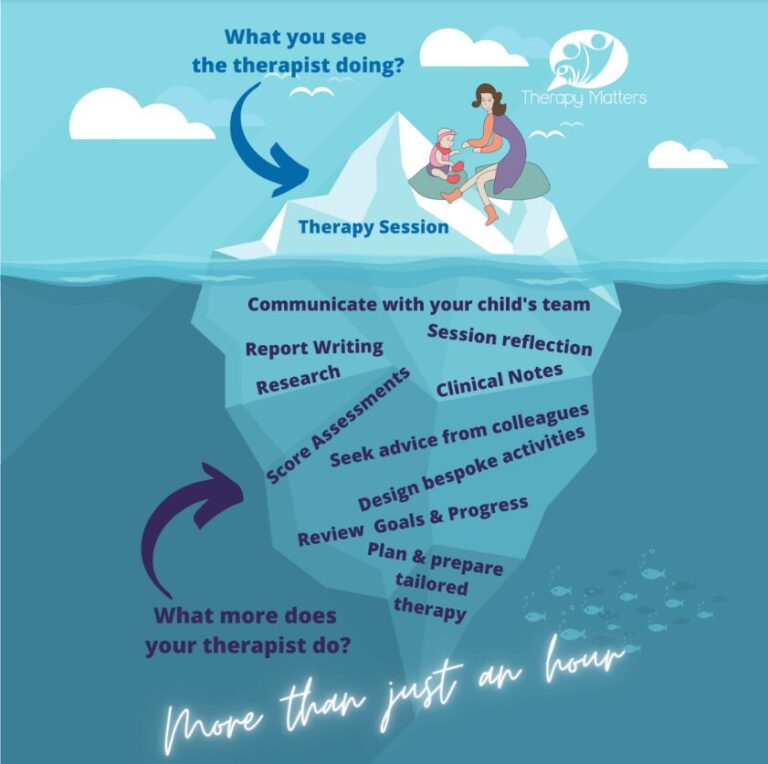
Understanding the Therapy Iceberg: What You Don’t See Beneath the Surface

When parents or caregivers bring their child to therapy—whether it’s speech, occupational, physiotherapy, or any other form—it’s natural to focus on what happens in the session room. That’s the visible part of the therapy process: the interaction between the therapist and your child, the games, the strategies, the breakthroughs.

But just like an iceberg, most of the real weight sits below the surface.

At TFK, therapy isn’t only what happens during a session. It’s about the planning, teamwork, documentation, and problem-solving behind the scenes. Our team supports every step of your child’s journey—from setting goals to liaising with schools, writing reports, and navigating NDIS funding requirements.

Understanding what happens behind the scenes helps bridge the gap between parents and therapists, fostering deeper trust and collaboration. This post is written for both sides—with warmth, care, and a shared commitment to helping children thrive.

What You See: The Tip of the Iceberg

Let’s start with what’s visible:

  • Assessments with you and your child to understand strengths and difficulties

  • Weekly therapy sessions focused on achieving individual goals

  • Progress notes shared in person or by email

  • Regular parent meetings to discuss progress and support

  • Strategies for home, school, and the community

  • A supportive therapist greeting you at the door

  • Group and holiday sessions

This visible part is important. It’s where relationships are built, and where your child develops skills through play, movement, communication, and connection. But it’s only the beginning.

Ice Berg

What Lies Beneath: The Hidden Commitments of Therapists

Just below the surface are hours of work that make therapy sessions effective, goal-directed, and safe. Here’s what parents don’t always see:

1. Planning & Preparation
    • Reviewing previous goals and outcomes to understand progress and ongoing needs

    • Adapting or creating new activities tailored to your child’s specific strengths and learning profile

    • Gathering and preparing materials or therapy tools in advance

    • Considering sensory preferences, emotional regulation, and behavioural strategies that might influence the session

    • Scoring assessments to clarify therapy focus areas

    • Creating visual schedules, communication tools, or supports based on the child’s needs

    • Researching your child’s diagnosis, comorbidities, or specific therapy strategies

    • Liaising with the therapy team to align expectations, monitor transitions, or manage risks

This planning is invisible but critical. It informs the therapist’s moment-by-moment decisions in session and helps them be responsive to the child’s cues. It also ensures safety and effectiveness across diverse therapy environments.

Blog post image

2. Clinical Documentation
    • Writing detailed progress notes to track development and outcomes
    • Preparing structured reports for NDIS reviews, school applications, or other funding processes

    • Regularly updating therapy plans to reflect changes in needs, goals, or circumstances

    • Completing compliance-based documentation to meet NDIS and organisational standards

    • Maintaining communication logs, therapy summaries, and relevant documentation across home, school, and community settings

    • Ensuring information is accessible to all members of the child’s support team

    • Supporting advocacy through well-written reports and measurable data

These reports are vital for funding, reviews, and demonstrating therapy impact. They’re time-consuming but necessary to secure ongoing support for the child and show the value of the therapy being delivered.

Blog post image 2

3. Collaboration & Communication
    • Liaising with teachers, support workers, case managers, and specialists to ensure consistent strategies across settings
    • Participating in family/team meetings, IEP planning, and joint goal setting

    • Sharing strategies with educators and modifying plans to suit different environments

    • Providing verbal and written updates to parents/carers

    • Responding to concerns or questions with thoughtfulness and clinical clarity

    • Documenting collaborative actions and changes in support plans

    • Adjusting recommendations based on input from families or school teams

This is often unseen and unpaid, but it’s where a lot of advocacy happens. Therapists work hard to make sure everyone is on the same page so the child can thrive across all their environments.

Blog post image 3

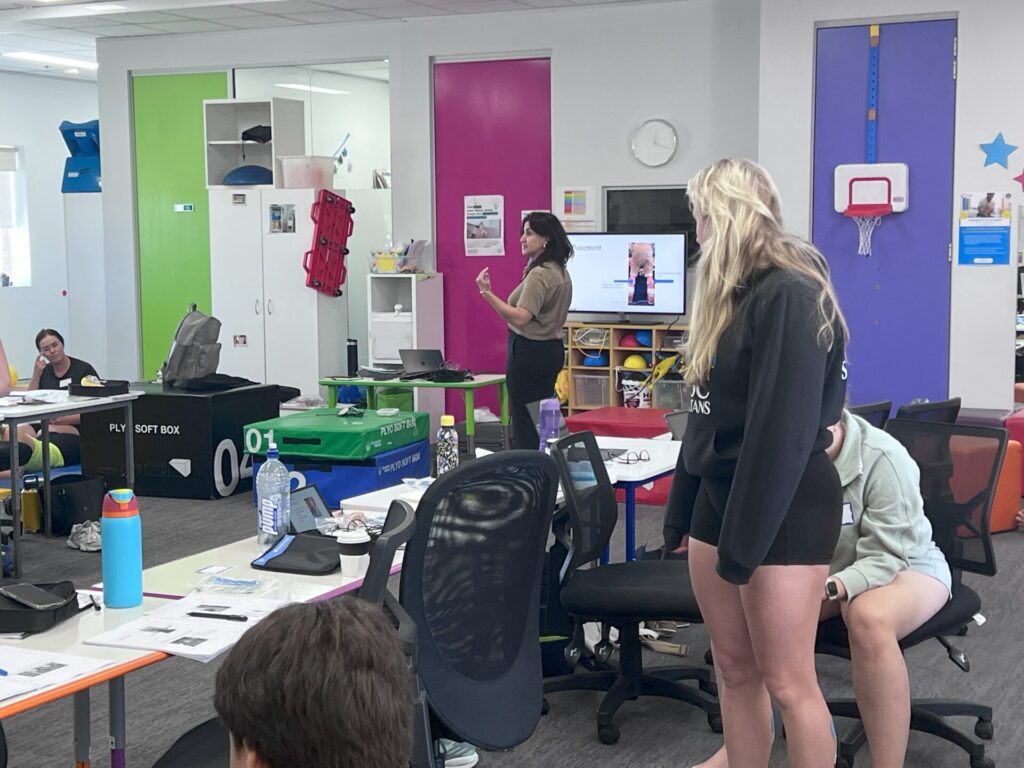
4. Professional Development & Supervision
    • Attending internal and external training to expand knowledge and remain current with evidence-based practice
    • Engaging in peer supervision, mentoring, or reflective practice to maintain professional standards

    • Participating in clinical interest groups and shared learning sessions

    • Reviewing updates to NDIS practice guidelines, therapeutic approaches, and paediatric development

    • Contributing to a learning culture that benefits clients, families, and the wider team

TFK places high value on supervision and learning. This ensures our therapists grow professionally and continue to deliver exceptional care that meets current standards and client needs.

Tases 8 1

Why This Matters — For Everyone

For Parents:

Understanding the therapy iceberg helps explain why your therapist might not always be immediately available. Behind every session is deep thought, planning, documentation, and teamwork. Your therapist may be completing clinical documentation, researching your child’s condition, or collaborating with others to help your child achieve their goals.

For Therapists:

Recognising the “hidden work” helps advocate for the time and support needed to deliver high-quality care—and reminds us that time outside of sessions is just as valuable.

Meeting in the Middle

Understanding the therapy iceberg helps accurately price services and reflect the real cost of providing comprehensive, evidence-based care. It supports long-term sustainability and ensures funding models like the NDIS can continue to meet families’ needs.

When everyone sees the full picture, therapists and families can work together with transparency, clarity, and shared purpose.

Closing Thoughts

Therapy is more than a service—it’s a relationship. And like any strong relationship, it’s built on empathy, communication, and trust.

When we acknowledge the unseen work, we honour not just the effort—but the care that drives it.

Whether you’re a parent searching for answers or one of the incredible therapists at TFK giving your all—thank you. You’re both essential parts of the journey.

IMG_0452-1-e1605482712103
By Debbie Evans

Executive Director

Categories
Subscribe to Therapies for Kids

Receive our news, helpful guides and special announcements directly to your inbox.

More Reading

Hypermobility in Kids: What Every Parent Needs to Know (And What to Do About It)

Wondering if your child is “just flexible” or experiencing symptomatic hypermobility? Learn the signs to look for, how hypermobility can affect daily life, and how paediatric physiotherapy can help.
child therapy session at home

Does my child need therapy? Signs to look for at each age

Not sure if your child needs therapy? This guide breaks down the signs to look for at each stage of development and when it may be helpful to seek support. If your child is already receiving therapy, you may recognise some of these stages and how their skills are developing over time.

What is Hanen? A Parent’s Guide to Building Communication Through Everyday Moments

Wondering how to support your child’s communication? Learn how Hanen helps build language through everyday moments, play and connection.
Search

Please type in your search query below: