Paediatric physiotherapy

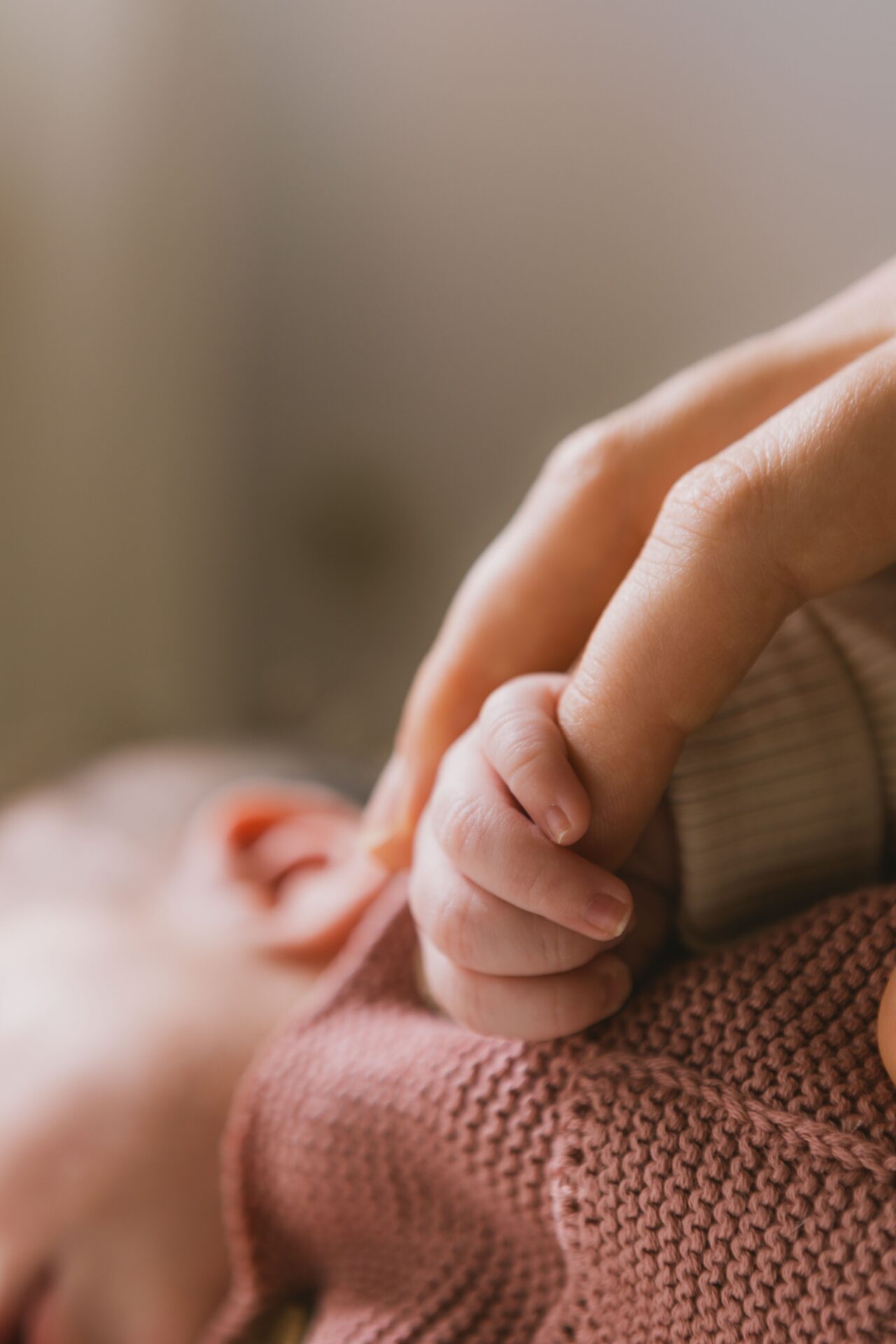
A newborn baby’s hand gripping an adult’s finger, resting on a soft knitted blanket.

Born Early: What Prematurity Means for Your Child’s Development. Part 1: Babies born a little early

This week is World Prematurity Day, so I thought it was the perfect time to write about prematurity. When I began working as a physio in the late 1970s, the way we defined and thought about prematurity looked quite different. Today, “premature” covers a wide range of babies, from those who arrive just a few weeks early to tiny babies born at 25 to 28 weeks who spend months in NICU.
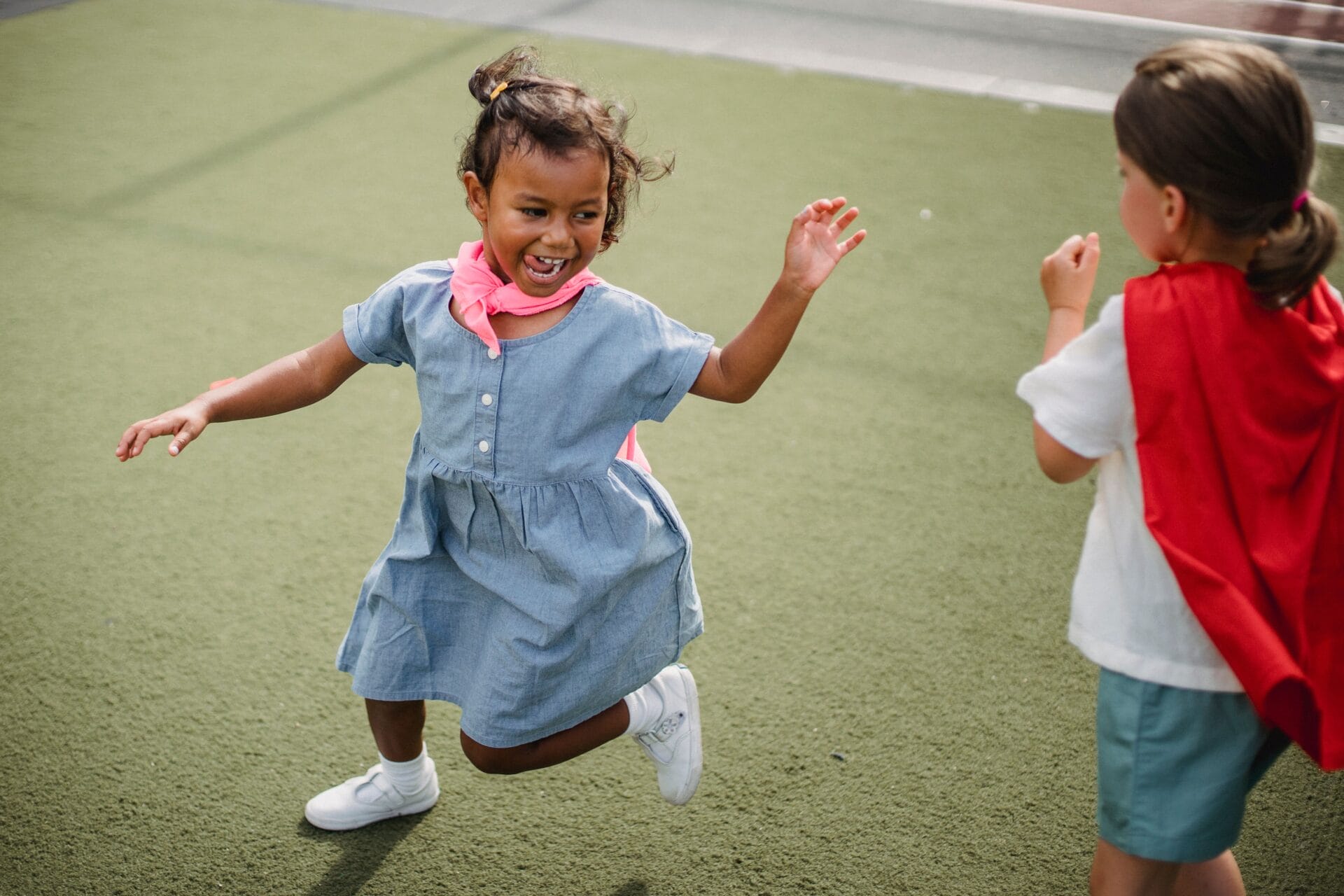
Two young children playing together outdoors wearing superhero capes, one running and laughing.

Ready, Set, Play! Getting Bodies, Voices and Friendships Ready for School (Part 2)

School readiness skills aren’t only about pencils and letters. Ask a child what the best part of school is, and I can almost guarantee the answer won’t be the classroom. It’ll be recess, lunch, and who they played with! In Part 1, we looked at getting little hands ready for school: lunchboxes, scissors, pencils, zips and dressing. But when that bell rings, your child also needs to run, climb and catch, to ask for a turn on the monkey bars, to tell the teacher what they need, and to cope when the game doesn’t go their way.
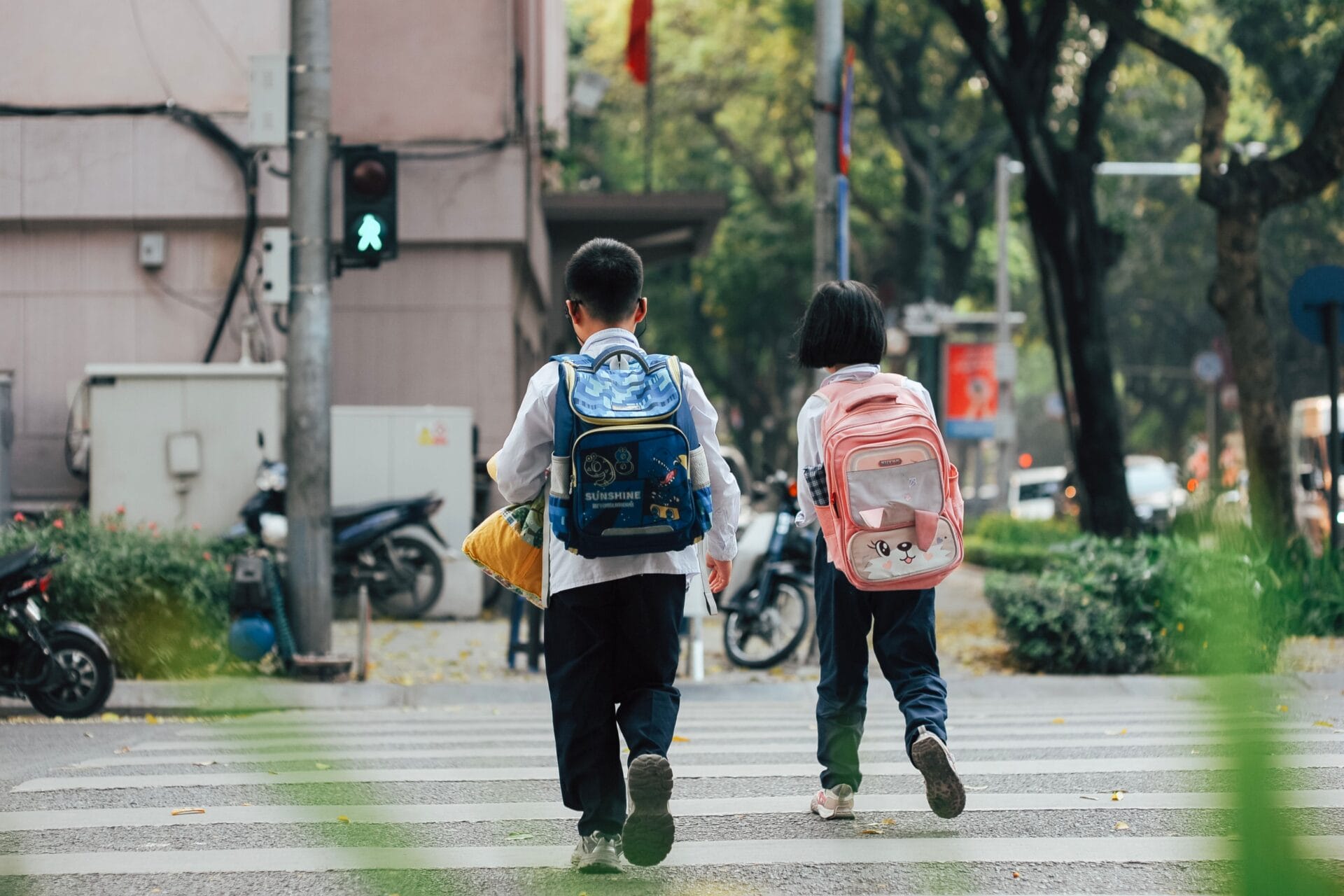
Two young children in school uniform walking across a pedestrian crossing with backpacks, seen from behind.

Getting Little Hands Ready for School (Part 1)

If your little one has been to school orientation in the past few weeks, you might have found yourself standing at the back of a classroom, watching them sit on the mat for the very first time. And if you’re honest, you might have been quietly comparing. Is she holding the pencil the same way as the others? Why is he the only one still struggling with his jumper? Every parent does it. Underneath all that watching is one big question: will they cope? Our OTs are constantly looking for new and creative ways to develop these skills. To your child, it looks like play. But behind the fun, it’s building a foundation for life.
Close-up of a child’s hands holding an orange pencil and writing in a workbook.

Celebrating OT Week: Why Little Hands Matter So Much

This week at Therapies for Kids, we’re celebrating our wonderful occupational therapists! Over the past week, we’ve been sharing ideas to support handwriting by building strength in the muscles of the hands. So I thought I’d take a moment to talk about fine motor skills, because they form the basis for so many of the activities your child does throughout the day. Our OTs are constantly looking for new and creative ways to develop these skills. To your child, it looks like play. But behind the fun, it’s building a foundation for life.
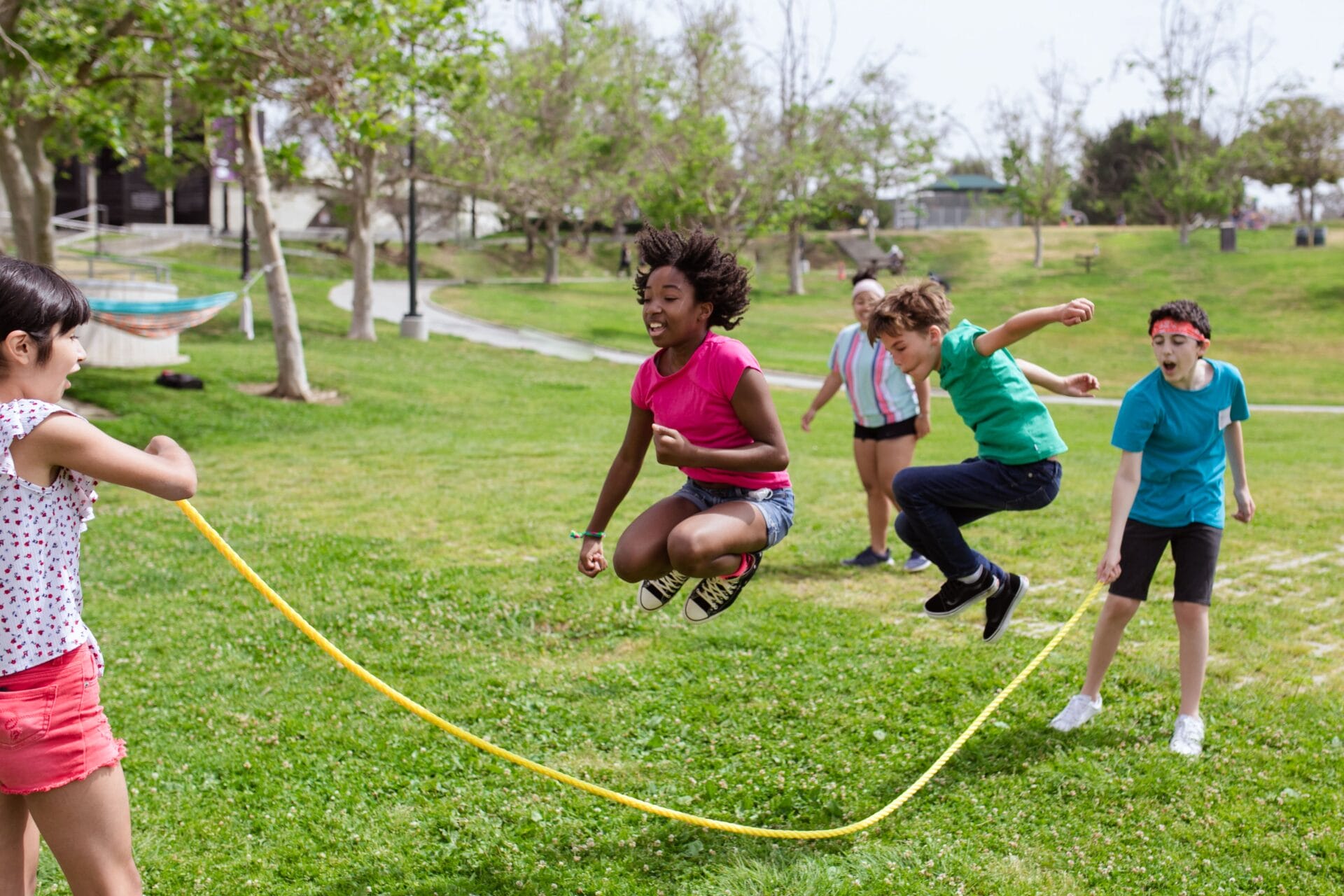
A group of children taking turns jumping over a long skipping rope in a park.

Why Skipping Matters: The Step-Hop Milestone That Brings It All Together

Skipping looks like pure joy, and it is. It’s also one of the most complex movement skills young children learn. Here’s what goes into it, when to expect it, and how to help if your child is finding it tricky. Skipping is the culmination of a whole set of gross motor skills that children build between the ages of about two and five: balancing on one leg, jumping, hopping and galloping. When a child finally skips across the playground, all of that earlier work is coming together at once. (Just so we’re on the same page, I’m talking about the step-hop skip across the yard, not skipping with a rope. That comes later!)
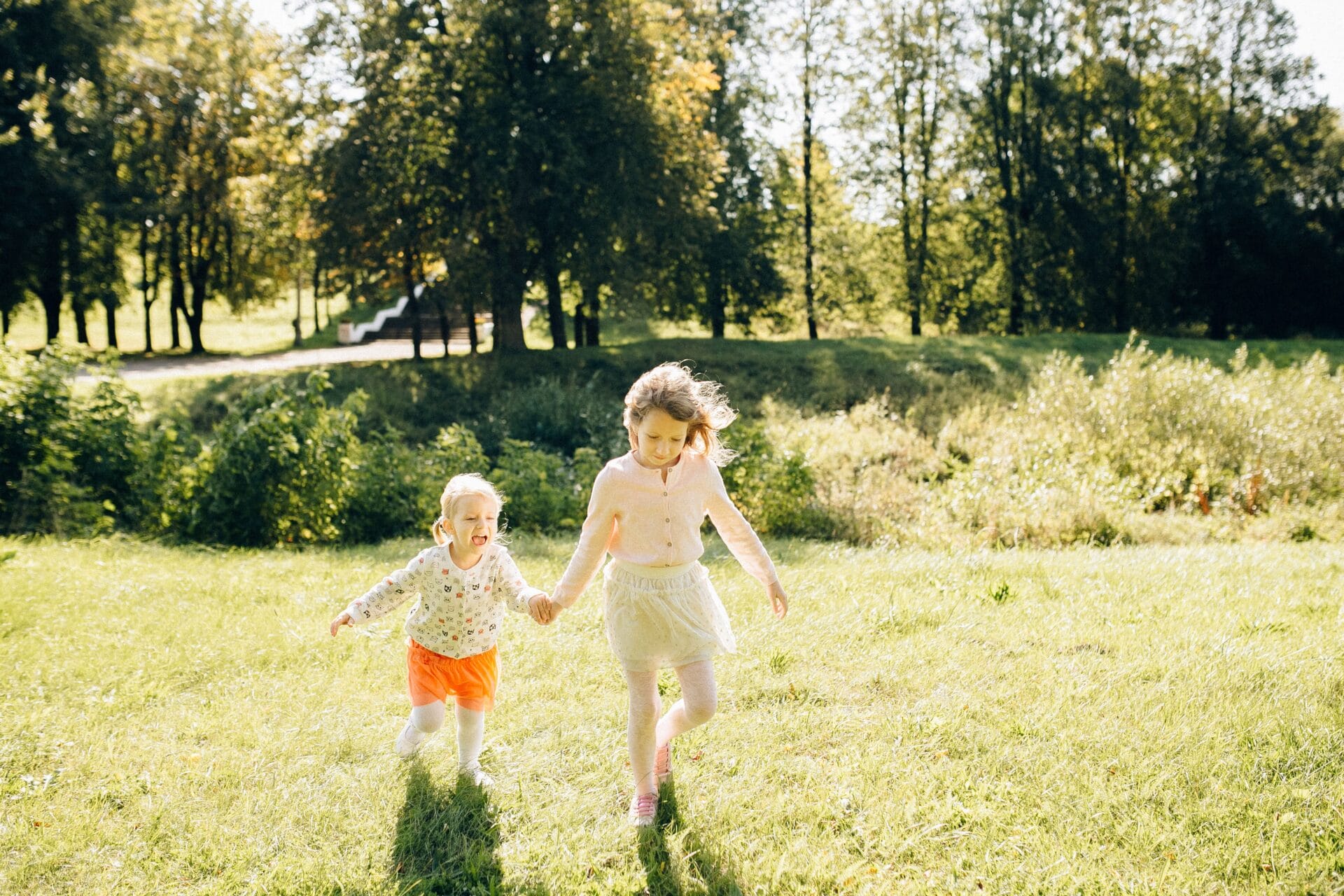
Two young children running together across sunlit grass, using balance and core stability as they move.

Core Strength in Children: What It Actually Means, and What Helps

If you’ve been told by a therapist or GP that your child has weak core strength, and you’re not quite sure what that means, I’ll unpack it here: what the term actually refers to, and what helps. Core strength comes up constantly in paediatric therapy, and it’s one of the most misunderstood phrases we use. Parents often hear it from a teacher, a physio or another parent, and go home picturing sit-ups. It isn’t about sit-ups, and it isn’t really about strength in the way most people imagine it.
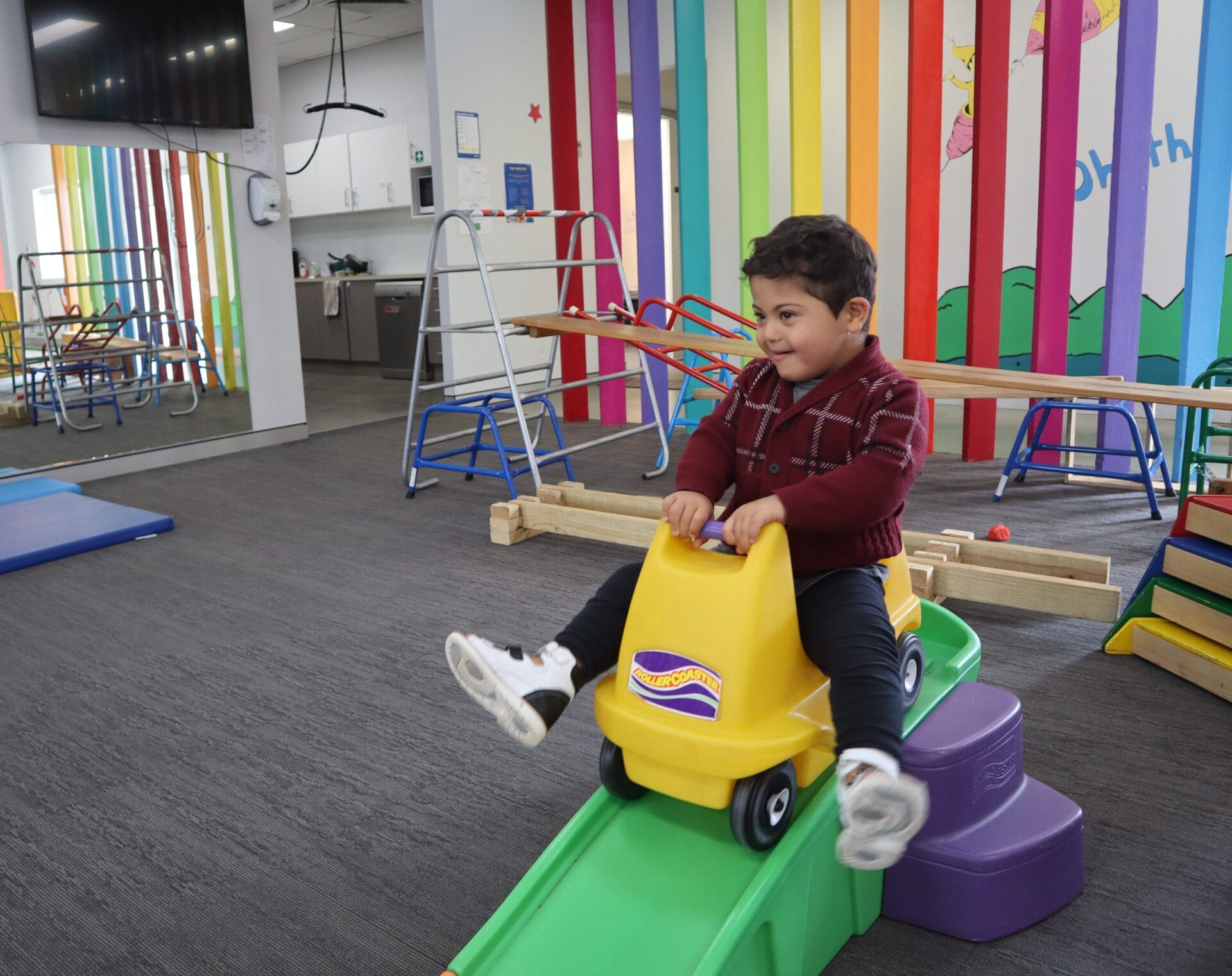
Smiling toddler riding a yellow toy car down a green ramp inside a colorful indoor play gym.

Hypermobility in Kids: What Every Parent Needs to Know (And What to Do About It)

Wondering if your child is “just flexible” or experiencing symptomatic hypermobility? Learn the signs to look for, how hypermobility can affect daily life, and how paediatric physiotherapy can help.
Iceberg labeled "The Therapy Iceberg: What You Don't See Beneath the Surface" showcasing visible and hidden sections.

What Does Therapy Involve at TFK?

Therapy is more than just what happens in the session room. This blog explores the unseen work therapists do behind the scenes to support your child’s progress. From planning and documentation to collaboration and care, it’s all part of the journey. Let’s look beneath the surface.
Search

Please type in your search query below: